
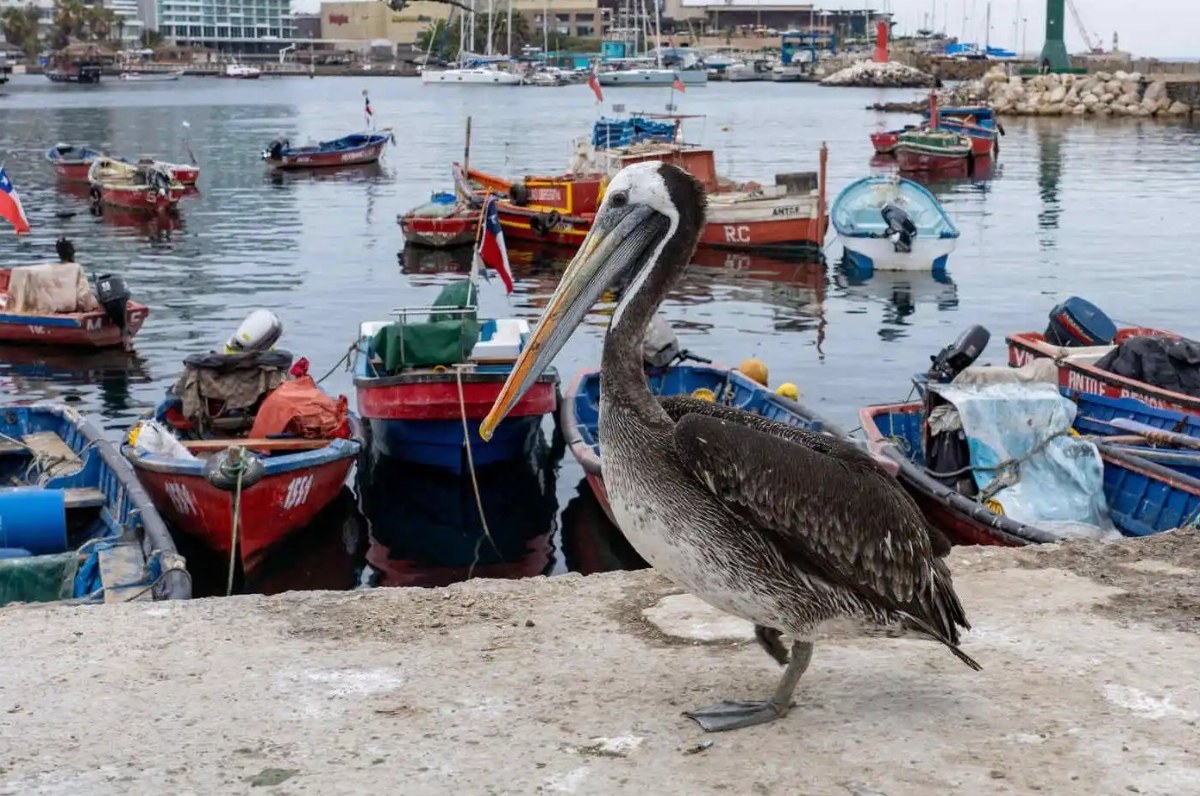
In Peru, hundreds of hungry pelicans are gathering in coastal ports and markets in search of food, a growing indication of the intensifying El Niño phenomenon that poses a significant threat to key sectors of the nation’s economy. Reports indicate that scientists have observed rising ocean temperatures linked to El Niño, disrupting marine ecosystems along Peru’s Pacific coast, leading to diminished fish stocks and pushing pelicans into urban areas.
While some birds receive scraps from fishermen and vendors, others may face starvation. Marine biologist Carlos Zavalaga noted, “What happens is that birds leave their breeding areas and die due to a lack of food,” emphasizing the dire situation.
Concerns for the Fishing Industry
Climate experts have warned that a strong or extremely strong El Niño event is expected this year, raising the risks of drought, flooding, and heat waves. Consequently, worries regarding the economic impact have surged. The fishing industry in Peru fears its exports may not meet the projected $5 billion value for the year, following sales that reached $4.6 billion in 2025, according to Alfonso Miranda, a former deputy minister of fishing and head of a committee for the sustainable management of giant squid in the South Pacific.
Miranda expressed uncertainty about future conditions, stating, “There is a lot of uncertainty about what could happen.” The national monitoring agency for El Niño, ENFEN, reports that sea surface temperatures are 2-5 degrees Celsius above normal, forcing commercially important species to retreat to deeper waters.
Industrial activity within the fishing sector has declined by 31% in the first five months of this year, while agriculture saw a modest growth of 0.4%, hindered by high temperatures.
This El Niño Could Be the Worst in 50 Years
On July 15, the Peruvian Congress approved a budget increase of $2.8 billion to fund infrastructure projects and improve preparations for heavy rains associated with adverse weather conditions, though agro-export sectors consider these efforts insufficient.
As the world’s third-largest copper producer, Peru is also a significant producer of fish meal and agricultural exports, including blueberries. Agricultural exports reached a record high of $15.1 billion in 2025, yet producers warn that prospects are worsening as the main cultivation season begins. Gabriel Amaro, a representative of the Peruvian agricultural producers’ association AGAP, projected that El Niño could cost the sector nearly $1 billion in anticipated extra export revenues this year. “We believe this El Niño could be the worst in the last 50 years,” he asserted.


