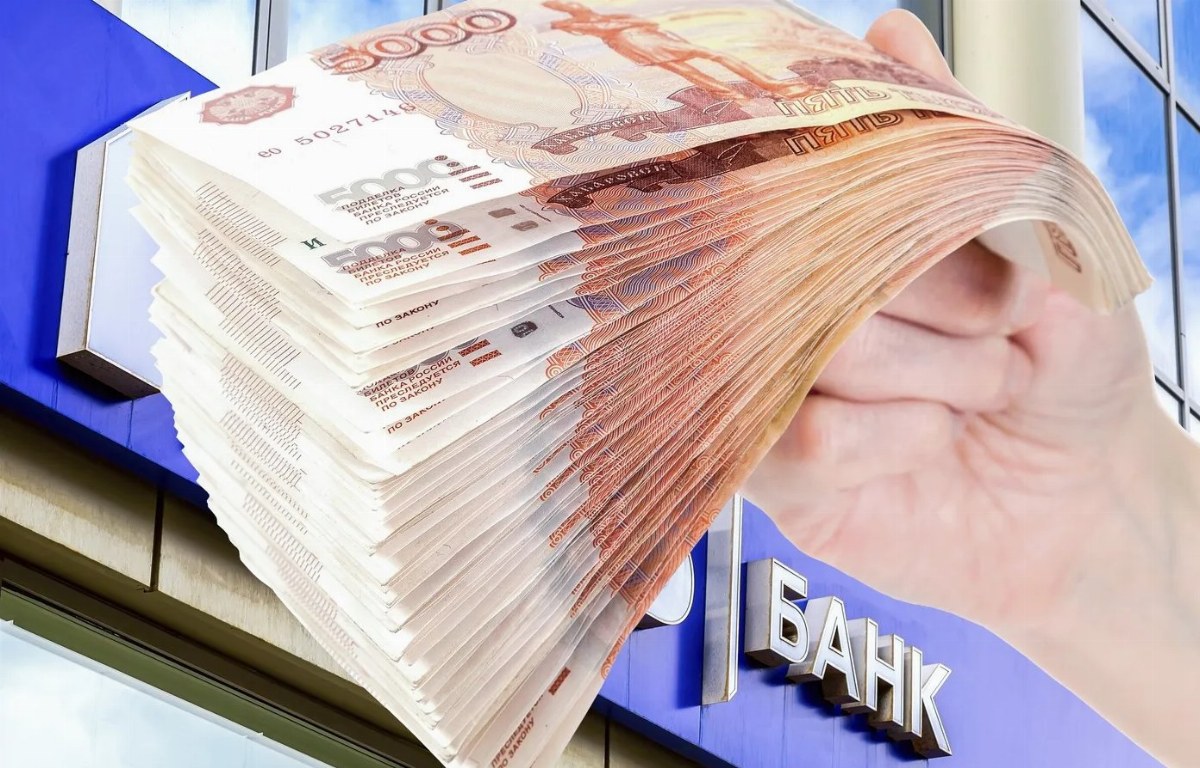
Russians are increasingly reverting to cash transactions as internet outages disrupt card payments, leading small businesses to seek ways to avoid escalating tax burdens following over four years of conflict. This shift has resulted in the government losing control over a significant portion of the country’s money supply.
Since the start of this year, the amount of cash in circulation in Russia has increased by the equivalent of $20 billion rubles, marking the largest increase since the onset of the COVID-19 pandemic, according to the Bank of Russia.
Panic Episodes Among Russians
The rise in physical currency coincided with a recent wave of Ukrainian drone attacks, which prompted the Kremlin to block mobile internet across vast areas to hinder drone guidance. Many Russians found themselves unable to make card payments.
“Having cash gives you a sense of control and security. If an emergency arises in the city, I know I can still buy essentials, even if the mobile network fails,” a woman from Moscow stated anonymously.
Even before the escalation of Ukrainian attacks, there had been instances where Russians withdrew large sums of cash from ATMs to create a safety net during uncertain times, such as following President Vladimir Putin’s partial mobilization announcement in September 2022 or during the Wagner Group’s rebellion in June 2023.
The growing reliance on cash complicates the state’s ability to collect taxes amid a rising budget deficit due to funding the war.
Cash Not Returning to the Banking System
To boost revenues, the Moscow government raised the VAT from 20% to 22% in January and lowered the threshold for small businesses required to pay this tax, leading many SMEs to bankruptcy.
With reduced profits due to higher taxes and a slowing economy, pharmacies, restaurants, beauty salons, and small shops are encouraging customers to pay in cash to conceal more income.
Taras Skvortsov, head of financial operations at Russia’s largest bank, Sberbank, warned in June that there were “very serious signs” that more firms were paying their employees “under the table.” “This is a very concerning time. We do not see cash returning to the banking system. It remains in people’s hands,” Skvortsov remarked.
Approximately 6% of entrepreneurs admit to resorting to “gray schemes” to cope with tax burdens, according to the business association Opora Russia. Cash payments help small businesses remain below the threshold for VAT payments, while off-the-books salaries avoid social contributions.
“One arm of the government is trying to squeeze as much money as possible from people through higher taxes, fines, and more. However, the other, in an attempt to counter so-called terrorist threats, undermines this effort by complicating tax collection,” stated Aleksandr Koliandr from the Center for European Policy Analysis, referring to frequent mobile internet disruptions.
This trend reflects a return to the Soviet-era instinct of keeping money “under the mattress,” despite the fact that bank deposit interest rates have risen to double digits, as the central bank maintains high rates to combat war-induced inflation.