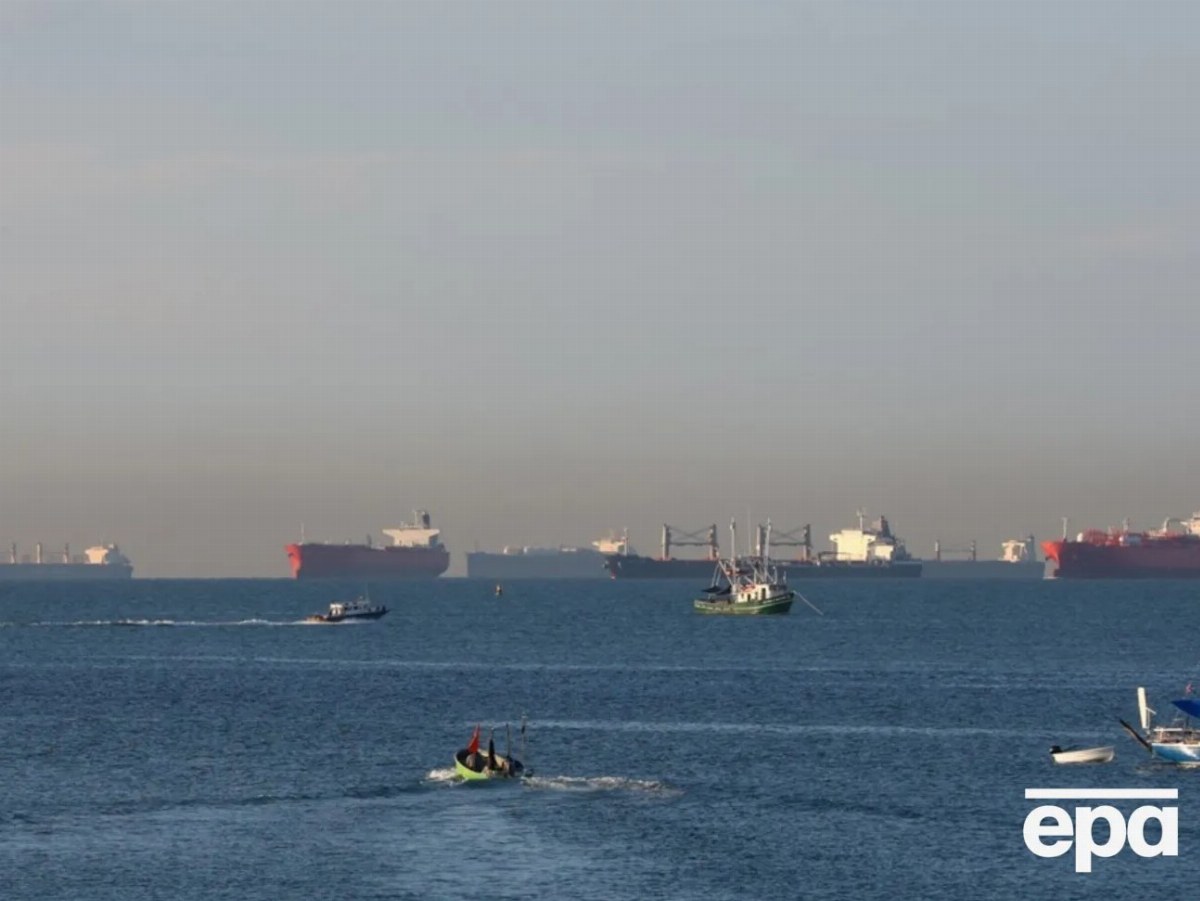
Iran is reportedly contemplating the closure of the Bab-el-Mandeb Strait, a vital passage in the Red Sea that connects to the Gulf of Aden and is critical for global energy flows. This strait facilitates oil and gas shipments to Europe and constitutes a significant segment of global maritime traffic, posing a potential threat to two critical routes.
A senior Yemeni official, cited by Iranian media, indicated readiness to shut down the Bab-el-Mandeb Strait, suggesting that such an action could push oil prices to $200 per barrel, especially if Saudi Arabia were to escalate attacks on Yemen. Mohammed al-Fara, a member of the political bureau of the Houthi movement, believes that the U.S. is instigating these provocations. He warned that ongoing actions could lead to both straits being blocked as part of a coordinated operational alliance.
According to a Middle East researcher speaking to Reuters, “Iran is ready to go all the way.” Analysts have observed a gradual escalation of tensions, with the U.S.-Iran conflict extending beyond military engagement into economic realms. Disruptions in energy transport could trigger price surges and contribute to global instability. Iran is demonstrating its capacity to influence strategic routes, complicating matters for the U.S. and its allies.
The risk factor also includes the Houthis, who have previously attacked vessels in the region. Their actions heighten the threat to maritime operations from the Persian Gulf to the Red Sea, making the route increasingly vulnerable. Experts suggest that while the Houthis maintain the capability to disrupt shipping through the Bab-el-Mandeb, they are unlikely to escalate tensions without explicit directives from Tehran. Any attempts by the group to threaten shipping routes could provoke a broader military response from the U.S. and its partners, aimed at significantly reducing the Houthis’ capabilities and curtailing their influence in the region.
Context
- The active phase of the war between Iran and the U.S. began on February 28 this year, with U.S. airstrikes in Iran resulting in the deaths of numerous high-ranking officials, including Supreme Leader Ayatollah Ali Khamenei.
- On April 12, U.S. President Donald Trump announced a blockade of the Strait of Hormuz by U.S. naval forces. By May 28, the U.S. and Iran reached a 60-day ceasefire agreement and initiated negotiations regarding Tehran’s nuclear program. On June 1, Trump stated he had met Iran’s condition for a ceasefire between Israel and Lebanon.
- On June 18, the U.S. and Iran signed a memorandum of understanding to end the war. The following day, U.S. Central Command (CENTCOM) announced the official lifting of the blockade on Iranian ports as stipulated in the agreement. However, exchanges of attacks resumed, leading Trump to declare the ceasefire over on July 8.
- On July 12, the Islamic Revolutionary Guard Corps announced the closure of the Strait of Hormuz, which Iran International reported. In response, Trump stated in a phone interview with NBC News that the strait remains open.