Following two significant earthquakes in Venezuela with magnitudes of 7.2 and 7.5, the United States Geological Survey (USGS) projected that the potential death toll could range between 10,000 and 100,000.
This initial estimate was later seen as exaggerated, especially after official reports confirmed 32 fatalities over ten hours after the quakes, with interim President Delcy Rodriguez noting that this number was likely to rise.
Despite the vast difference in figures, there is a rationale behind the USGS’s estimation process. The agency released these figures to assist emergency response teams, government agencies, and the media in grasping the scale of the disaster and effectively allocating resources, as highlighted by BBC.
The USGS employs a system called PAGER, which stands for Prompt Assessment of Global Earthquakes for Response, to derive its estimates. This system considers various factors, including the earthquake’s magnitude, its depth, ground shaking intensity, and the population in the affected area.
Based on previous earthquakes with similar characteristics, PAGER provides an estimated figure. However, many other variables can affect the potential number of injuries and casualties, such as the structural integrity of buildings and the time of day during which the quake occurs.
For instance, if the earthquakes strike at night while people are asleep, the likelihood of successful evacuations decreases significantly.
The death toll will be updated as more information becomes available. Notably, this earthquake event triggered a red alert, a designation typically reserved for only 1-2 incidents per year, according to BBC.
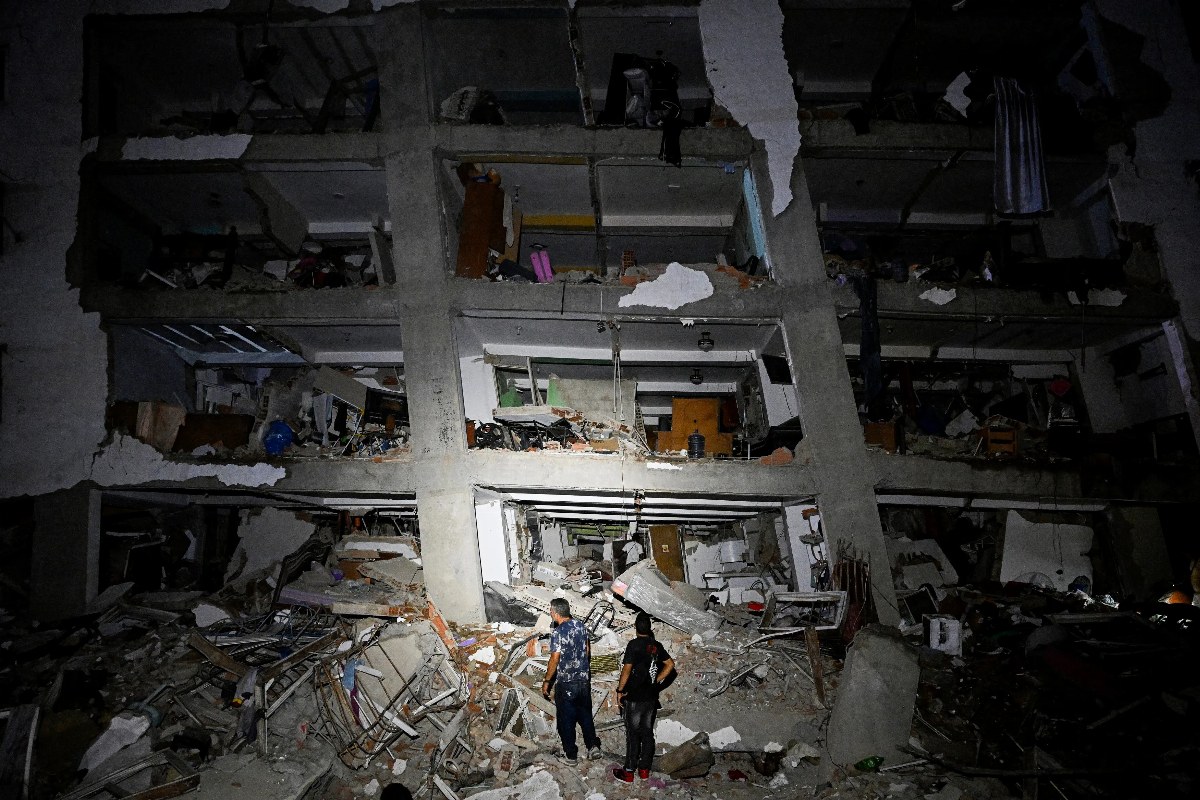
The earthquakes, occurring at shallow depths west of the capital, Caracas, caused buildings to collapse, trapping people beneath the rubble.