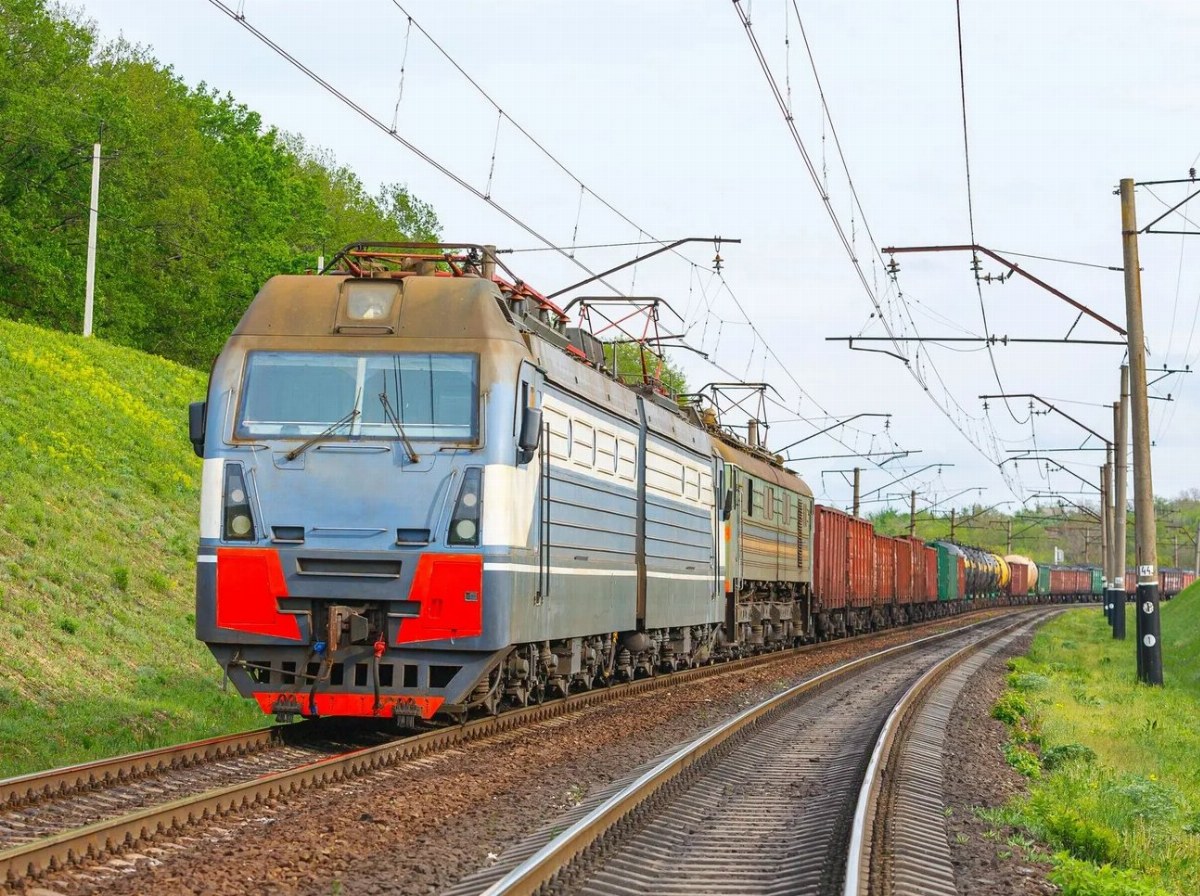
Ukrzaliznytsia is set to propose a significant 30% hike in freight tariffs effective from August 1, 2026. This decision comes as the railway company states that it has not adjusted its tariffs since 2022, despite a sharp rise in operational costs such as electricity and infrastructure repairs.
Vadym Kotenko, the head of logistics at Kernel, expressed concerns that this increase could severely impact the economics of transport, forcing businesses to seek alternatives. He emphasized that reevaluating logistical models would not just be a choice but a necessity in response to this tariff change.
He noted that a portion of freight might shift to road transport, particularly for shorter routes, while businesses would also be reassessing their supply chains to ports.
Vitagro Group’s logistics head, Volodymyr Besida, confirmed that the company is already exploring alternative routes and cost-effective transportation models. However, some agricultural firms maintain that completely abandoning rail transport is not feasible. For instance, IМК plans to enhance the use of its own fleet of grain wagons to mitigate logistics expenses.
Oleh Khomenko, CEO of the Ukrainian Club of Agrarian Business, warned that the tariff increase could make road transport more competitive within 300 to 400 kilometers from ports. He stated, “Conditionally, somewhere south of Uman, it may become more beneficial to transport goods by road rather than by rail.”
Khomenko further mentioned that agricultural producers in regions far from sea ports, particularly in Chernihiv, Sumy, and Kharkiv, might bear the brunt of these tariff hikes. Industry participants estimate that transporting grain to ports could increase by $4 to $7 per ton, depending on the route and region. They caution that these additional costs will ultimately impact grain producers through reduced purchase prices.
According to Tair Musayev, Vice President of Grain Alliance, “The final price of any agricultural product from Ukraine is dependent on global market prices. Therefore, it is clear that any such increase will be borne primarily by the agrarian sector.”
Context
- Ukrzaliznytsia highlights that freight tariffs have not been indexed for four years, while the company’s expenses have significantly increased. The carrier also cites considerable infrastructure losses and damage due to Russian attacks.
- Ukrainian industrial, transport, and sector associations have appealed to Prime Minister Yulia Svyrydenko and President’s Office head Kyrylo Budanov to prevent the proposed tariff increase. They argue that a 30% rise could lead to a loss of UAH 96 billion in GDP per year, a reduction of 27 million tons in freight volumes, a loss of $2.4 billion in export revenue, and UAH 36 billion in budget revenues.