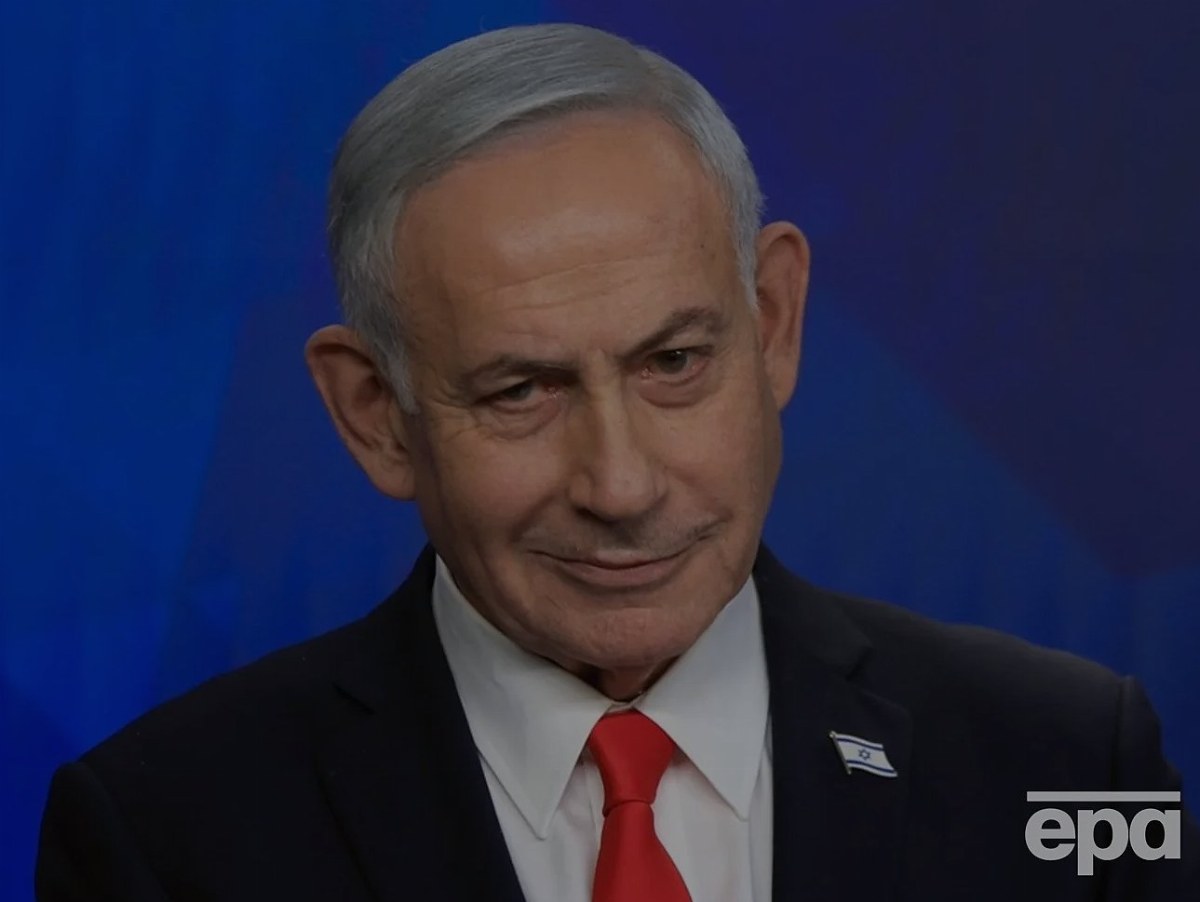
Reports indicate that Israeli Prime Minister Benjamin Netanyahu is under significant political pressure ahead of upcoming elections, which may lead him to escalate military actions in Lebanon to assert his authority.
Intelligence assessments suggest that Israel intends to continue its military operations against the Lebanese group Hezbollah, contradicting a key point of the US-Iran agreement that calls for a cessation of hostilities in Lebanon. This tension arises amidst strained relations between the current Israeli government and the Biden administration, which has publicly cautioned Israel against strikes on Hezbollah that could jeopardize previous accords.
Despite these warnings, Israel has already conducted airstrikes in southern Lebanon following a US-Iran memorandum aimed at ending the conflict. Due to this escalation, the United States and Iran postponed negotiations initially scheduled to take place in Switzerland, with US Vice President Jay D. Vance also delaying his trip.
Media reports indicate that should Netanyahu intensify military actions in Lebanon, it could not only threaten the Iranian peace agreement but also damage his rapport with former President Trump. During a press conference in France, Trump acknowledged a minor disagreement with Netanyahu regarding Lebanon and urged him not to destroy buildings whenever Hezbollah militants appear.
A new US intelligence report further expresses Israel’s dissatisfaction with elements of the peace memorandum endorsed by Trump, which Israeli officials believe reduces pressure on Tehran and limits their defense capabilities against Lebanese militants.
In response, Trump administration officials stated that the agreement does not prevent Israel from retaliating against aggression and emphasized that Netanyahu’s concerns pale in comparison to the necessity of securing the Strait of Hormuz and avoiding a global economic crisis. However, the report highlights that any cessation of hostilities or troop withdrawal from Lebanon would be perceived in Israel as a defeat for Netanyahu. Meanwhile, an Israeli government spokesperson commented on the US intelligence analysis, asserting that Israel’s military activities in Lebanon aim solely to protect its citizens from persistent Hezbollah attacks.
Context
- On May 28, the US and Iran reached a 60-day memorandum agreement for a ceasefire and the initiation of negotiations regarding Tehran’s nuclear program. On June 1, Trump announced he had met Iran’s condition for ceasing hostilities between Israel and Lebanon. However, renewed tensions emerged in June when a strike on Beirut prompted Israel to claim it attacked a Hezbollah command center in response to attacks on its territory. Trump sharply criticized Netanyahu for this assault, viewing it as a threat to US diplomatic efforts regarding Iran and Lebanon.
- On June 16, The Jerusalem Post reported that the US refused to allow Israel prior access to the new memorandum of understanding with Iran, fearing Netanyahu might leak the text before its official announcement.
- The US-Iran memorandum of understanding to conclude the war was signed on the night of June 18. Axios revealed details of the document, indicating it is a significantly more modest agreement than the terms Trump previously deemed necessary for resolving the conflict with Tehran.
- On the night of June 19, Israel and Hezbollah exchanged strikes but reportedly agreed to a ceasefire afterward. Meanwhile, the BBC noted that Israeli strikes on Lebanon continued, which could affect the future of potential US-Iran peace negotiations.