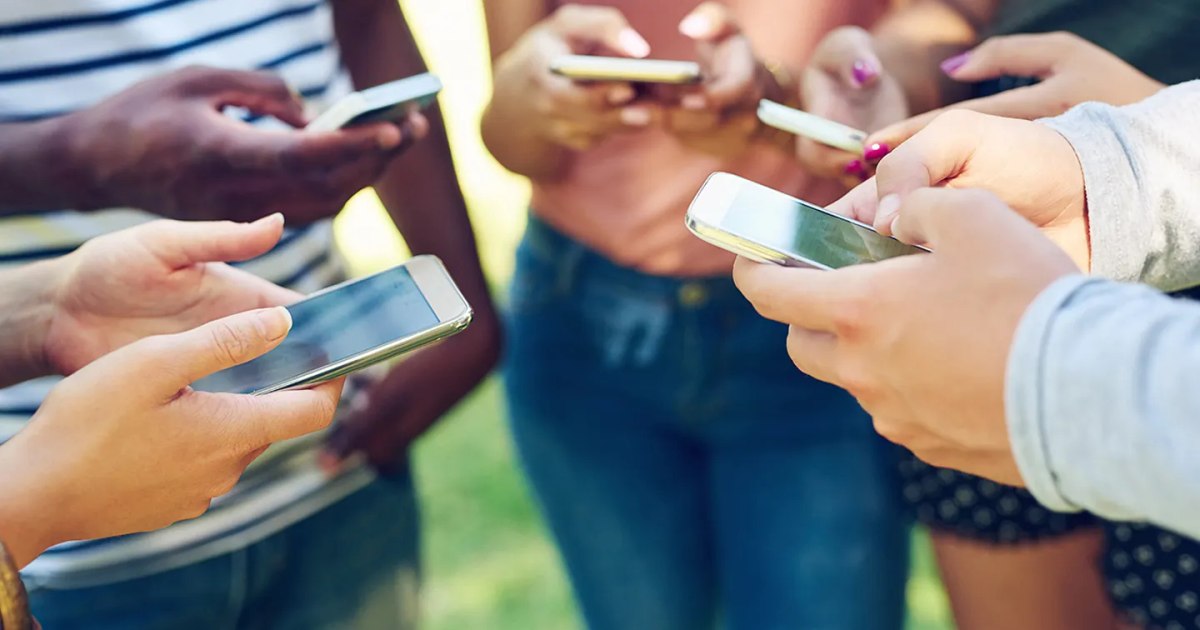
British Prime Minister Keir Starmer is set to ban children under the age of 16 from accessing major social media platforms, including TikTok, Snapchat and Instagram. The government will also prevent minors from live streaming on sites deemed safer and limit their ability to communicate with strangers through gaming apps.
PHOTO: iStock
The BBC writes that ministers are also looking into the possibility of introducing restrictions on the hours children can use social media, but full details will not be revealed until next month.
The cited publication adds that British government sources describe the plan, which is due to be unveiled by Starmer on Monday morning, June 15, as “Australia-plus”.
Australia introduced in December 2025 the world's first total ban on children under 16 accessing social media.
“It's a choice that shows which side we're on: on the side of families across the country or on the side of a status quo that doesn't work”Starmer said. According to him, the government will “end a system that is failing our children.”
Although the majority of participants in a public consultation support the ban on social networks for children under 16, there are also critics who warn of possible negative effects.
According to The Sunday Times, Prime Minister Keir Starmer is set to announce a ban targeting 10 major platforms, modeled after Australia, including TikTok, Instagram, YouTube and Facebook.
Monday's announcement comes two weeks after the government's three-month public consultation ended.
116,000 responses were recorded to the survey. About 90% of participating parents were in favor of banning social media for children under 16, and over 83% believed that the risks outweighed the benefits of these platforms.
Ian Russell, the father of teenager Molly Russell, who took her own life after being exposed to harmful content online, is criticizing the UK government's plan to ban social media for under-16s.
He believes that such a measure would create a false sense of security, push children to other areas of the Internet and limit their communication possibilities. Russell argues that authorities should better regulate the platforms, not ban them, and accuses Prime Minister Keir Starmer of rushing the move for political reasons.
“If he's playing politics on this issue, then he's playing with the lives of young people, and I find that deplorable.” he said.
Organizations such as the NSPCC argue that big tech companies should be forced to make their platforms safer, rather than simply being withdrawn from children. For their part, the companies state that they are committed to protecting minors.
British Culture Minister Lisa Nandy says tech firms have had plenty of time to make platforms safer for children. She states that the discussion is no longer whether minors should be protected online, but how this can be done.
While he acknowledges that some young people will find ways around the restrictions, Nandy believes that the ban could bring about an important cultural change, reducing social pressure on children to be present on social media from a very young age.