As the newspaper describes, in accordance with the arrangements of the largest economies of the European Union, the German stock exchange will retain the option of choosing whether to be subject to the national regulatoror supervision by the European Securities and Markets Authority (ESMA) based in Paris.
Read also: I was in a train factory in the Czech Republic. One thing surprised me
The agreement was reached by a group of the six largest EU economies – Germany, France, Italy, Poland, Spain and the Netherlands – as part of work on reforming the supervision of capital markets. The aim of the changes is greater integration of European financial markets and unification of the rules applied to the largest institutions in the sector.
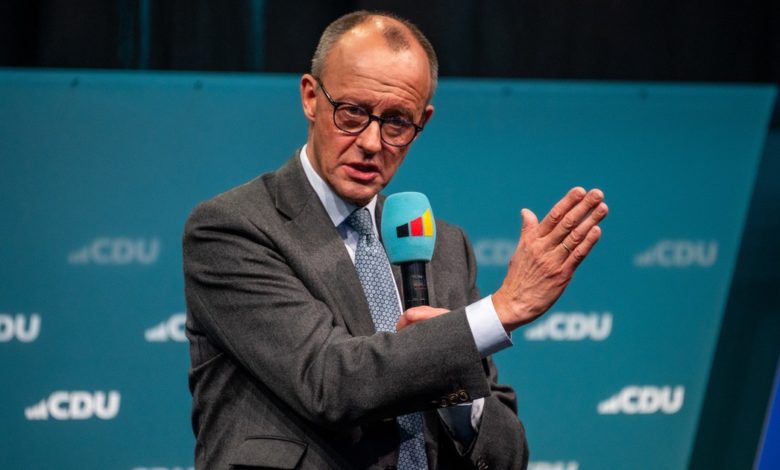
At the same time, the exception for Deutsche Börse raises questions about Berlin's real commitment to building a more integrated capital market in the EU. This is despite recent declarations by Chancellor Friedrich Merz, who supports the creation of a single European stock exchange.
ESMA would supervise the largest entities
Last year, the European Commission proposed to transfer direct supervision over key financial market infrastructure, including stock exchanges, clearing houses, securities depositories and cryptocurrency platforms, to ESMA.
In response, the E6 countries agreed on a common position supporting bringing the largest stock exchanges under the direct supervision of the European regulator. For many observers, this was an important concession on the part of Germany, which had blocked similar solutions for years due to the opposition of domestic stakeholders.
Read also: Seizure of the Smyrtos tanker. London sends a signal to Moscow
However, according to the findings of people familiar with the details of the negotiations, Deutsche Börse was given the opportunity to choose a supervision model. According to Berlin, the German group operates only on the domestic market and – unlike entities such as Euronext or Nasdaq – does not meet the criteria of a “pan-European market operator” (PEMO). Therefore, ESMA's supervision would be voluntary, not mandatory.
Criticism from partners
The compromise was met with dissatisfaction by some European partners. One of the representatives of the E6 countries admitted that the proposal “caused considerable surprise” among other member states.
Another official involved in the talks stated that “it is inconceivable that Deutsche Börse applies different rules than the stock exchanges in Amsterdam, Paris or Madrid” — emphasizing that the largest stock exchanges in Europe should be subject to the same supervisory rules.
Germany argues that the concession was necessary due to opposition from the authorities in Hesse, where Deutsche Börse is based. In the German federal system, financial supervision issues are largely the responsibility of the federal states.
The reform is still uncertain
The E6 position still needs to be supported by at least nine more Member States. However, the reform is opposed by a group of smaller countries, led by Ireland and Luxembourg, which are afraid of losing influence on the regulation of their own financial sectors.
Even if EU countries reach an agreement, the final shape of the regulations will still be negotiated with the European Parliament. EU leaders would like to complete the entire legislative process by the end of the year, but current disputes show that the road to greater integration of European capital markets remains far from over.