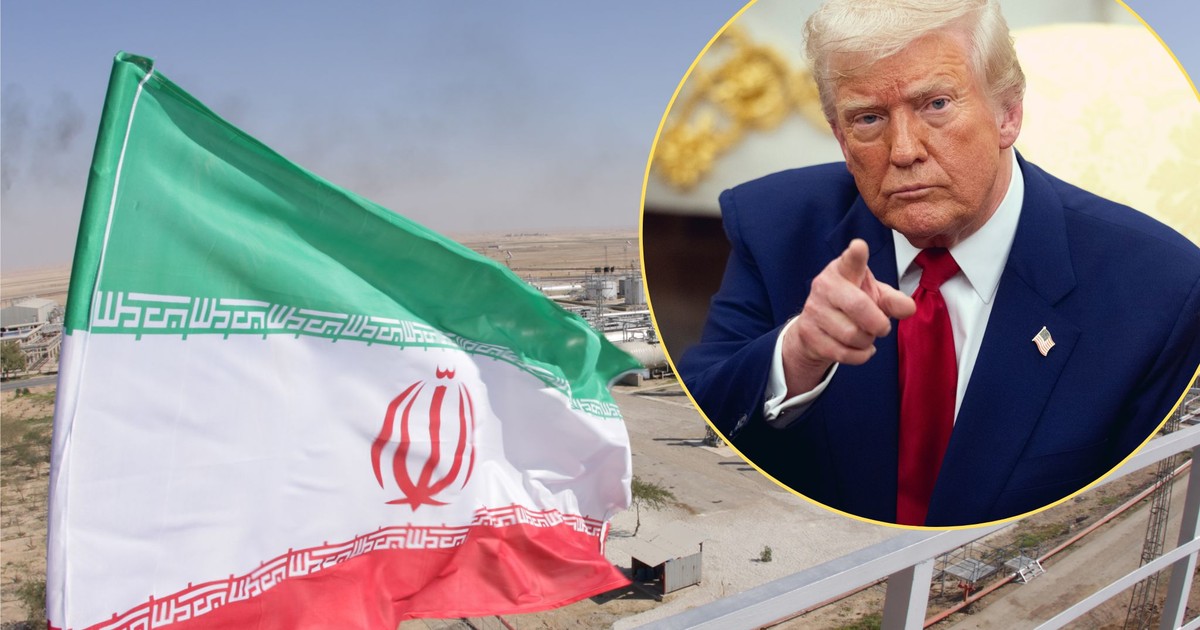
The official, speaking on the basis of anonymity in a telephone briefing, presented the outline of a preliminary 60-day agreement (memorandum of understanding, MOU) that would open the Strait of Hormuz. He noted that although both sides “are not at the finish line yet, they are very close.” He estimated the chances of signing the agreement at 80-85%.
According to the official, the agreement is based on four pillars:
- opening the Strait of Hormuz and ending the blockade;
- dismantling the Iranian nuclear program with the transfer of enriched material to the American side, which is to be “destroyed on site and then exported from the country”;
- long-term regional peace;
- inspection regime ensuring verification of commitments.
See also: An Iran-US breakthrough is in the air. The oil market is reacting
Iran-US agreement
In return, Iran is to receive a gradual relaxation of sanctions and reintegration into the world economy.
The representative of the White House categorically denied reports that specific amounts were paid to Tehran upon signing the memorandum.
— The Iranians don't get anything when the memorandum is signed or during the negotiations themselves. They receive economic benefits for fulfilling their obligations – he pointed out.
See also: Iran warns the US. “The wrong strategy will hit everyone”
A concession that Donald Trump wanted
He did not provide details of these benefits, limiting himself only to general principles.
– I don't trust them to keep the agreement. However, I trust that we have constructed it in such a way that they will not receive their benefits until we receive ours, he said.
Iran is to commit itself indefinitely not to acquire nuclear weapons, which the interlocutor described as “an important concession that the president was very keen on”.
The agreement can be signed in Europe
Following the signing of the MOU, there will be 60 days of technical negotiations on the details of dismantling the program and exporting the fissile material.
The official did not provide the exact date or place of signing the agreement. Among other things, the following are being considered: Europe as an “intermediate place” between the USA and Iran.
“Mojtaba Khamenei is happy”
According to a US administration official, Iran's supreme leader Mojtaba Khamenei is 'satisfied with where we are in the negotiations'which was confirmed by interlocutors from both the civilian and military leadership of Iran.
The official acknowledged that there are voices of opposition to the agreement in the Iranian system, but, he said, “there is broad consensus within the Revolutionary Guard Corps (IRGC), among hardliners and among the civilian leadership that this is a good and acceptable agreement.”
Among the changes that have brought the agreement closer in recent weeks, an administration representative mentioned Iran's weakening control over the Strait of Hormuz – through which more oil has flowed in recent weeks than in the initial phase of the conflict – and clarifying the provisions regarding the destruction and export of enriched material.