All inclusive or just accommodation: how much you spend per day in Greece, Italy, Spain and Romania depending on the package chosen

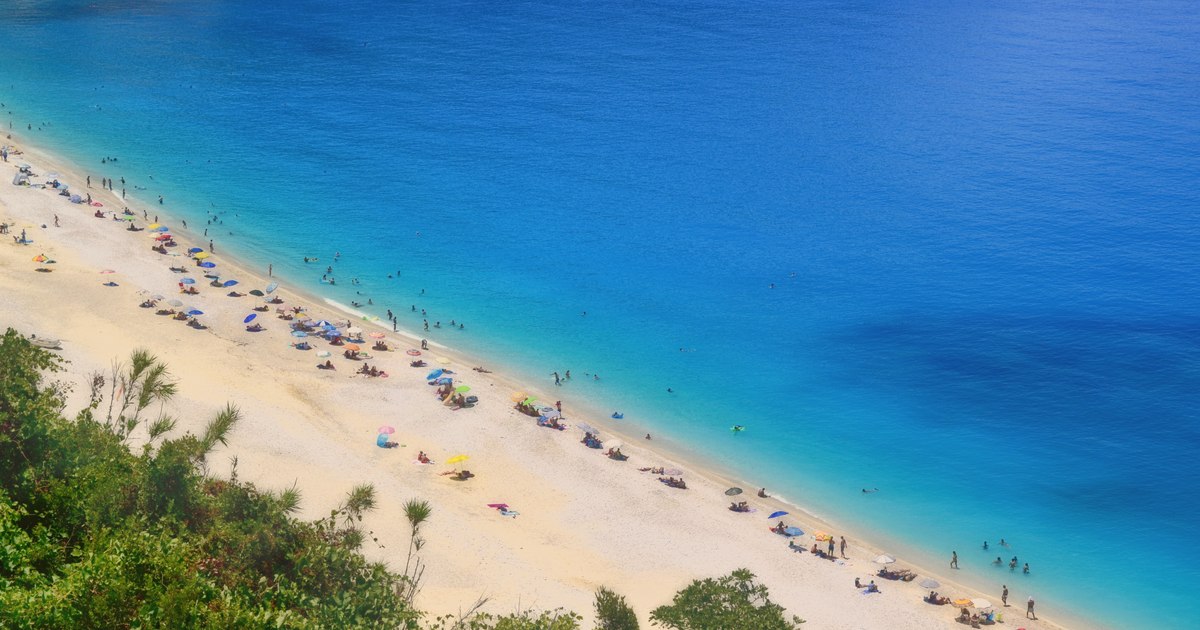
In Europe, a summer vacation can mean two completely different experiences on the same beach, in the same hotel, and even on the same day. The difference is not necessarily the destination, but the type of package chosen before departure: accommodation only, breakfast or all inclusive. Depending on this choice, the daily budget can vary by tens of euros per person, and the way the tourist manages his expenses after booking changes significantly.
For tourists who have only booked accommodation, planning is even more important. Pixabay photo
Comparative data on the cost of living and tourism consumption in Europe shows consistent differences between destinations and types of spending, according to Eurostat and the OECD.
Greece: the holiday built on short journeys and small bills
In Greece, especially in the tourist islands, a holiday “accommodation only” usually starts simple: a room with a side view of the sea, an intermittent air conditioner and the promise of total freedom. In the morning, tourists emerge early into the narrow streets, where the first stop is almost always a local bakery. A cold coffee and a pastry become the standard breakfast, eaten on the go, before the sun gets too strong.
At lunch, the experience moves to the seaside taverns. The menus look affordable, but a full meal with fresh fish, Greek salad and drinks can quickly turn the day's budget around. In the evening, the towns and islands fill up again with tourists repeating the same route: another meal, another drink, another walk. At this rate, daily expenses frequently reach 40–70 euros per person just for basic consumption, depending on the area and season, according to comparative tourism consumption analyzes used at European level, according to the European Commission.
In all inclusive resorts, the same day has a completely different structure. Breakfast, lunch and dinner disappear as decisions. Tourists move between the pool, beach and hotel restaurants without constantly calculating costs. The experience becomes less about exploration and more about continuity, and the budget becomes fixed regardless of consumption.
Italy: Cities where every stop has a cost
In Italy, especially in cities like Rome or Venice, holidays without meals included are a succession of short stops and frequent payments. The morning starts at a small neighborhood bar, where espresso is drunk standing up at the counter. At lunch, a panino eaten quickly between sights is more of a necessity than a culinary experience.
In the evening, things change. Restaurants in historic areas become the stage for late dinners, where the atmosphere sometimes weighs more than the menu. Under these conditions, a tourist can easily reach 60–90 euros per day just for food and urban transport, depending on the chosen area, according to the comparative data on the cost of living in the EU published by Eurostat.
The difference to packages with meals included is not only about money, but about pace. Without all inclusive, the city is fragmented into stops and choices. With the full package, some of these decisions completely disappear from the equation.
Spain: the holiday lived between tapas and improvisation
In Spain, the tourist experience is more relaxed, but also more financially unpredictable when there are no meals included. In Barcelona or Valencia, a holiday starts late and ends even later. Breakfast is often minimalistic, lunch turns into tapas shared between friends, and dinner becomes the focus of the day.
The streets are full, the terraces as well, and the temptation to make “one more stop” is constant. In this context, daily expenses often reach 50–80 euros per person, depending on the season and the tourist area, according to the analysis of tourist consumption and price comparisons in Europe carried out by the OECD.
The difference from all inclusive is felt especially in the level of decision. Tourists without a fixed package are constantly planning their next meal, while those in resorts spend the day in a space where this concern disappears almost completely.
Budget holiday guide. The cheapest destinations on every continent
Romania: same logic, smaller budgets
On the other hand, in Romania, a holiday in resorts such as Mamaia or Brașov works according to the same logic, even if the price levels are lower. Without meals included, a holiday can cost between 35 and 60 euros per person, depending on the season, area and style of consumption, according to aggregate estimates from the local market and tourist consumption data from the National Institute of Statistics.
During peak season, restaurants in central or coastal areas can quickly raise daily costs, which makes all-inclusive packages perceived mainly as a tool for budget stability, not just comfort.
What a vacation day looks like depending on the package
The difference between package types is most clearly seen in the structure of a day. In the “accommodation only” option, the day is broken up into small decisions: where you eat, how much you spend, how long you spend looking for options and how you relate to local prices. In the all-inclusive version, these decisions disappear almost completely, and the experience becomes more linear, but also more isolated from the local economy.
In all Mediterranean destinations, these variations are influenced by seasonality, tourist concentration and general price levels, according to Eurostat and the OECD.
How to build your holiday budget after you've booked
Once transportation and accommodation have been paid for, many tourists feel that most of the expenses have already been covered. In reality, costs incurred at the destination can be a significant part of the total holiday budget, especially in the case of packages that do not include meals. According to the recommendations on financial planning for travel published by the European Consumer Centers Network, it is useful for tourists to separately estimate daily expenses for food, local transport, activities and contingencies.
For those who have chosen an all-inclusive package, the additional budget can be built around optional experiences. In many destinations in Greece, Spain or Turkey, meals and drinks are already included, meaning that the main additional expenses will be excursions, car hire, leisure activities or shopping. For this reason, daily costs tend to be more predictable than with other types of packages.
The hotel trick no one tells you: how to get free water every stay
In the case of packages with breakfast included, the most attention should be paid to lunch and dinner. Even if the price differences between destinations are significant, numerous analyzes of the cost of living carried out by the OECD and Eurostat show that food is one of the most important expenditure categories for European tourists after accommodation. A realistic estimate of the cost of daily meals can prevent you from going over budget from the first days of your vacation.
For tourists who have only booked accommodation, planning is even more important. Travel experts recommend setting a maximum daily amount for food, transportation and activities before departure. This method allows spending to be controlled and reduces the risk that the holiday will turn out to be more expensive than originally planned.
Regardless of the type of package chosen, a frequently used rule of thumb in vacation planning is to set aside an additional reserve of approximately 10-15% of the estimated budget for unexpected expenses. Local taxes, transfers, schedule changes or currency fluctuations are costs that occur frequently and are not always taken into account when booking.
Thus, if the choice of package sets the general framework of the vacation, the way the budget is built after booking determines how comfortable the experience will be at the destination. The difference between a carefree vacation and one marked by constant calculations often lies not in the price of the stay, but in how the expenses that arise after arrival are anticipated.