Crisis at the heart of London government. The Minister of the Armed Forces resigned, shortly after that of the Chief of Defense

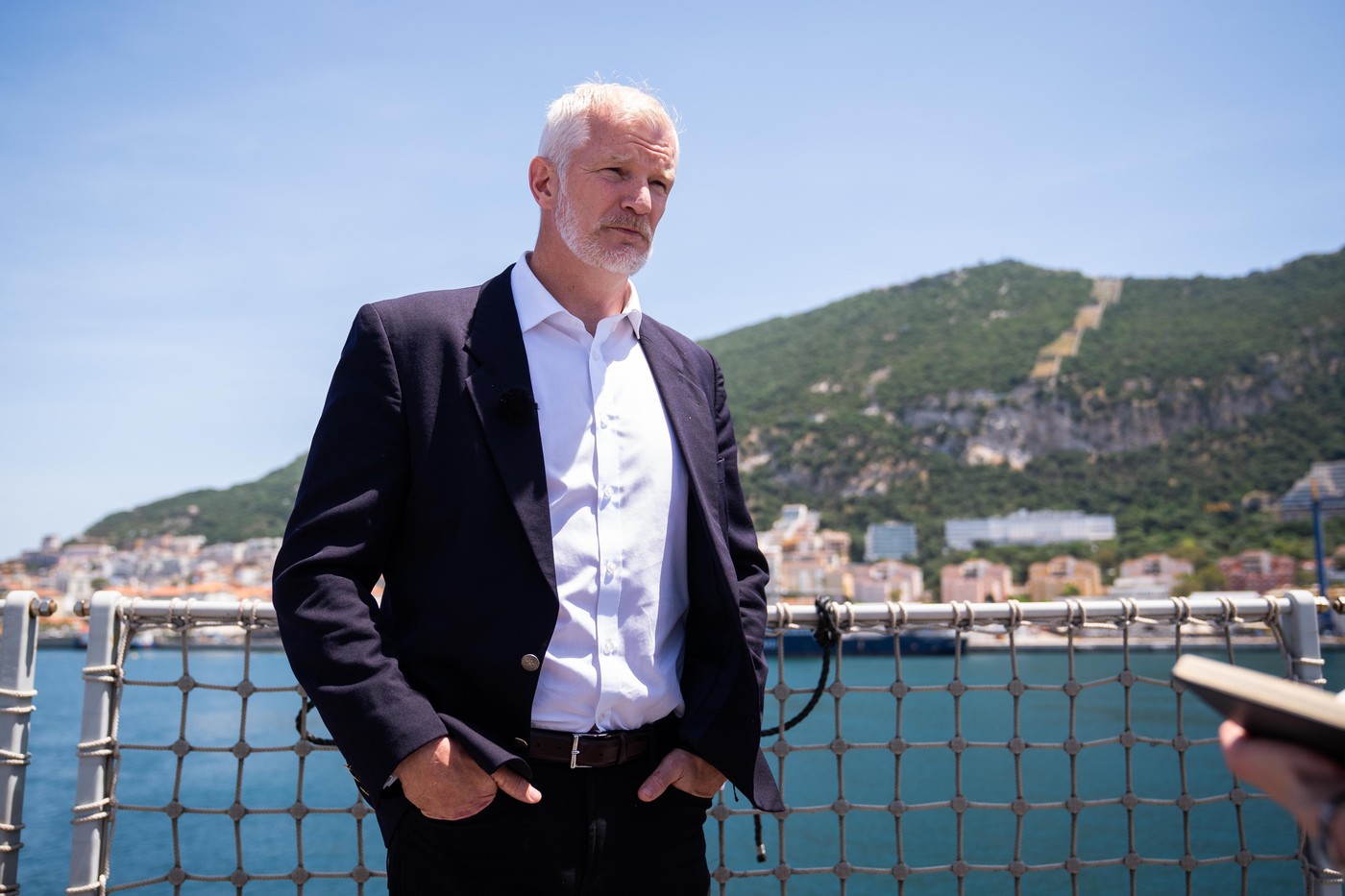
“We're asking our military to operate in a more dangerous world with a budget designed for a more peaceful one,” Al Carns said.
British Defense Minister John Healey resigned on Thursday following a months-long dispute over military spending, accusing Prime Minister Keir Starmer of failing to allocate the necessary resources to ensure the country's security in the face of growing threats, Reuters and BBC News write.
The resignation of the defense secretary, accompanied by a scathing criticism of the British prime minister, is another sign that Starmer's authority is eroding and exposes a crisis at the heart of government in London – how he can increase defense spending when there is little money to spare, while the welfare budget continues to grow.
Healey, a previously loyal minister, has held intense talks with Starmer and Finance Secretary Rachel Reeves over how to cover the extra military spending needed, delaying Britain's Defense Investment Plan, which was due to be presented last year.
“You have been unable and the Treasury has been unwilling to allocate the resources the nation needs to defend the country,” Healey said in a letter to Starmer.
Starmer responded with a letter expressing regret at Healey's resignation and by appointing Security Minister Dan Jarvis as Defense Secretary.
But around the same time as that appointment, Deputy Defense Secretary Al Carns also resigned, saying the spending plans were “not commensurate with the threat we face.”
“We are asking our armed forces to operate in a more dangerous world with a budget designed for a more peaceful one,” Carnes, who also served as armed forces minister, said hours after Healey's resignation.
“It has been the privilege of my life to serve this country, first in uniform and then in government. I have said that there are issues facing this department that do not lend themselves to easy answers and that there is a need for consensus across the whole of government on the scale of the challenges we face. It has become clear to me that the change I have promoted will not happen. Given the situation, I have decided to resign as Minister of the Armed Forces,” he reasoned Meats.
In his resignation letter, Carns warned that “the nature of conflicts is changing faster than the (British) procurement process can keep up”. He argued that the defense investment plan “is not designed for the threat” facing the country and “is neither transformative enough nor adequately funded.”
“A strong country is not simply one with a capable military. It is one where working people feel economically secure, public services work, energy is resilient, communities are stable, and young people can see a future worth working for,” Carns said.
Carns concluded his letter by saying he would “continue to fight for the people he served with” and that he hoped the government would do the same.
Al Carns is the seventh minister to resign in the past month and the second to do so on Thursday, after John Healey.
Pressure on Starmer, increasing
The unexpected resignations are another blow to Starmer, who is likely to face a challenge to his leadership in the coming months.
Starmer's cabinet health minister Wes Streeting resigned last month on May 14, accusing Prime Minister Starmer of a lack of vision, and another challenger, Greater Manchester Mayor Andy Burnham, is trying to return to the front lines of politics to launch his leadership bid.
Britain, a historically major military power, was left exposed in March when it failed to immediately send an advanced warship to Cyprus after its air base there was hit by an Iranian-made drone.
Already facing a US shift away from protecting Europe, Britain is now the third largest contributor to the NATO budget, to be overtaken by Germany in 2024, and the investment plan aimed to bring the armed forces to a level of “war readiness”.
Starmer has promised the biggest sustained increase in defense spending since the end of the Cold War, aiming to raise it to 3% of GDP in the next parliament, meaning tens of billions of pounds of extra defense money.
But Healey said the plan he has seen would increase defense spending to just 2.68 percent in 2030, when it will already reach 2.6 percent next year.
In comparison, Germany plans to allocate 3.7% of GDP to defense by 2030. France will fall short of Britain's 2.5%.
General Richard Barrons, former head of the Joint Forces Command and one of the authors of the 2025 defense report that was supposed to form the basis of the spending plan, told Reuters he was unhappy that the government had not followed through on its commitments.
“It's clear they understand the risk Britain faces. And they say the right things about defence, but then they're guilty of failing to back up their words with money,” he said.
Healey said Starmer's proposed increase in defense funding is “well below” what is needed to help the military deal with increased threats from Russia, as well as demands to increase its presence in the Arctic and the Middle East.
The British government has struggled to find additional funding at a time when the economy is stagnating and both debt and the overall tax burden are at or near their highest levels in decades.
Healey was highly regarded
Healey, who previously served in the governments of former prime ministers Tony Blair and Gordon Brown, was highly regarded by colleagues and the defense sector.
A Labor MP said his resignation was a “severe blow to Starmer”. Another said it was now inevitable that Starmer would be forced out of office within months. A third said it had taken Labour's defense team completely by surprise.
Around a quarter of Starmer's MPs called on him to step down after the Labor Party suffered its heaviest defeat by a British prime minister in local elections in more than three decades in early May.
Healey's departure, less than a month before the NATO summit, will not help at all.
Kevin Craven, head of the British defense lobby group ADS, said Healey's resignation was a “reprehensible reflection” of Starmer's approach.
“The consequences for the UK, and indeed our allies, of a mistake in the Defense Investment Plan – as now seems certain – are far beyond our worst fears,” he said.