Nightmare logistics at the World Cup in the USA, Mexico and Canada » “It will be a “bomb” ready to explode!”

Article by Daniel Scorpie – Published on Wednesday, 10 June 2026 23:34 / Updated on Wednesday, 10 June 2026 23:47
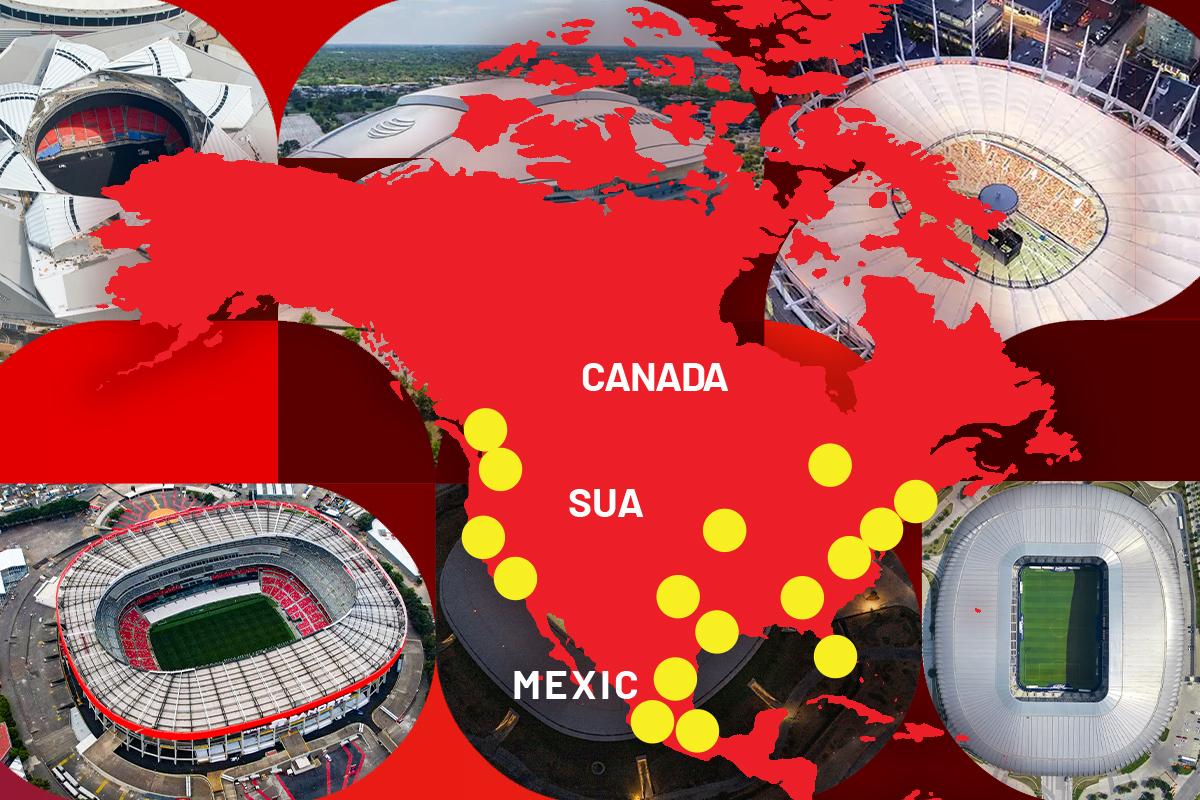
The 2026 World Championship, which will take place between June 11 and July 19 in 16 cities in US, Mexico and Canada, it will be a terrible challenge for the host countries, but also for the qualified teams and the fans who will accompany them. Because of the huge distances, comparable to the trip from Lisbon to Moscow, the difference of up to three time zones and the change of climate conditions in very short periods.
Spanning the entire North American continent, the XXL competition forces teams and fans to travel thousands of kilometers by plane to reach the 16 host cities, whose urban transport networks are not always adequate or the newest. The 2026 World Cup will be a terrible hassle, “a Dantesque logistics,” as Liberation notes.
The final tournament under the auspices of FIFA has never been so vast. With 104 matches, 48 teams and as many base camps, 16 host cities and 3 countries. “For fans, it's the challenge of spending more time on planes and in transit than standing and cheering in the stands.
Aviation Safety Officer: “We're going to operate at full capacity! We're going to have an unprecedented challenge”
FIFA made this World Cup the most geographically dispersed event in history and also having one of the most disastrous carbon footprints. From North to South, Vancouver and Mexico City are almost 4,000 km. From East to West, between San Francisco and Boston, over 4,300 kilometers. It's as if the matches were played simultaneously in Lisbon and Moscow!”, remarked the French newspaper in an analysis published on Tuesday.
FIFA has thought of everything: the hassle for the group stage is reduced, except for the G and K series, for which fans will still have to cross a border to watch all the matches. For J, everything is played in the United States, but with matches on the West Coast, in Texas, and then in the heart of the country.
France will be one of the favored teams. Well positioned, with the four stadiums where it will evolve in its route to the upper stages, located on the East Coast. With the training base in one of the host cities and a final not too far away, should Didier Deschamps' team get there.
The 32 teams that will make it past the group stage will, in any case, have to travel a lot to get to the stadiums for the rest of the competition. “For both players and supporters, this logistics is a real headache, something of a nightmare.
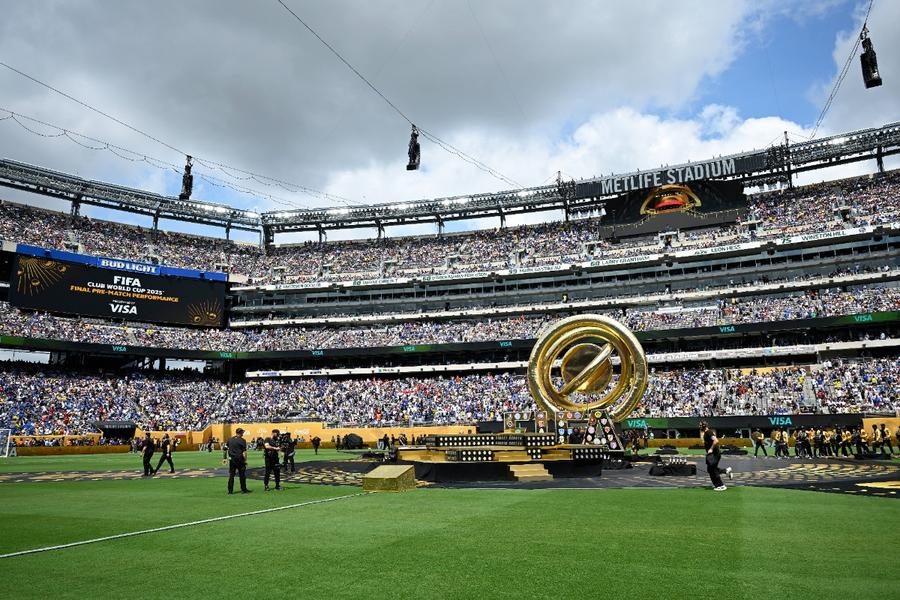
The “MetLife” stadium in New Jersey, the place where the final of the World Championship will take place / Imago Images
Between matches it will be necessary to take the plane! the train? If you're not on the northeast coast of the United States, don't even think about it!
The nightmare is not only for the fans, but also for the teams, who will have to rent their charters in advance!
“There will be commercial air traffic similar to Christmas or Thanksgiving. Plus we have to add a large number of international travelers. And all this, distributed over a period of six weeks instead of a few days”, explains Randy Klatt, consultant of the independent Aviation Safety Foundation, former military and then commercial pilot”, states Liberation.
FIFA has done the calculations: more than 6 million tourists will fly between the host cities. Aware of the volume of passengers to be transported, airlines are preparing to lease larger aircraft. “From everything we've seen from the Federal Aviation Administration (the government agency responsible for civil aviation in the United States), we're going to be operating at full capacity. It's an unprecedented challenge,” Randy Klatt continues.
Supporters will have to be patient with the inevitable delays caused by the large number of planes, the usual storms of American summers (especially in Florida and the central part of the country) and other unforeseen problems. Not to mention the air traffic controller shortage that has plagued the country for decades and could disrupt traffic flow!
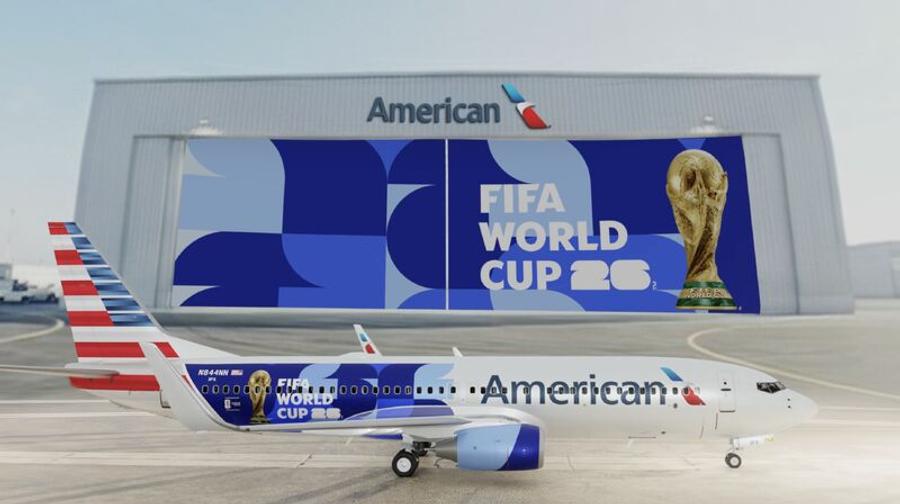
Airlines are set to take out their entire fleet for WC 2026 flights
The task will not be easy either for the teams that will travel across the three countries on charter flights managed by a third party and for the VIPs traveling on private jets. “These planes have to plan everything in advance. Private charters won't be able to decide their flight plan in the air like they normally do!” warns Randy Klatt.
And that's because airports have to plan everything in detail, down to the parking spaces. This is the case, for example, especially during the Super Bowl or Mardi Gras (no – The End of the Century and the final day of Carnival in New Orleans), as all the runways are full of planes and there are no parking spaces left!
“And in Qatar there was an ecological disaster with the construction of the new stadiums. Now they existed, but it's all about transport”
“If we wanted to put together a logistically nightmare World Cup, we would do a lot of the things that FIFA and the organizers thought of,” joked Jules Boykoff, a former professional football player, now a professor of political science at the University of the Pacific and author of several books on high-profile sporting events.
Because once they come to a host city, fans will face another headache. “I think foreign tourists will be in for a real shock when they get to the United States and find out how antiquated is our public transport system!”, the same Boykoff sounded the alarm.
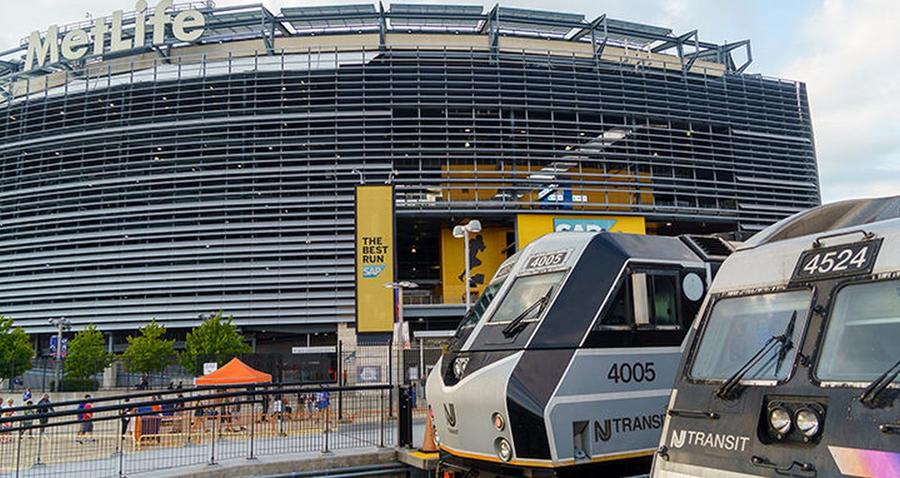
American officials announced that transportation tickets to New Jersey World Cup matches will cost $50 by train and $80 by minibus
Between the 16 host cities, the quality of public transport varies widely, although FIFA requires public transport options to reach the stadiums as a bidder for the competition.
Some cities took full advantage of high prices for direct trains, such as Boston and New York, with round-trip tickets costing $80 (69 euros) and $105 (91 euros) respectively.
FIFA has thus made the 2026 World Cup one of the most polluting in its history, due to the many planes that will fill the sky beyond mid-July. “Four years ago, Qatar was also a real environmental disaster with the construction of new stadiums.
This time, the arenas were already ready in the US, Canada and Mexico, but everything depends on the transport. It will be a football “time bomb”, a carbon “bomb” ready to explode at any moment. concluded Jules Boykoff for Liberation.