The Islamic Republic and the US are testing the limits of a fragile truce, teetering dangerously between deterrence and all-out war.
The US hit Iran again after Tehran shot down an American helicopter/PHOTO: Profimedia
The Middle East is sliding dangerously into a new phase of confrontation, one dominated by cynical calculation and risky challenge management. Both the United States and Iran are trying to maintain maximum pressure and respond asymmetrically to the adversary's strikes, but without triggering an open conflict. The major danger, however, is a structural one: the huge risk that one of the parties will step, even involuntarily, over the red lines of the other, triggering a spiral of escalation that is impossible to control, writes The Wall Street Journal.
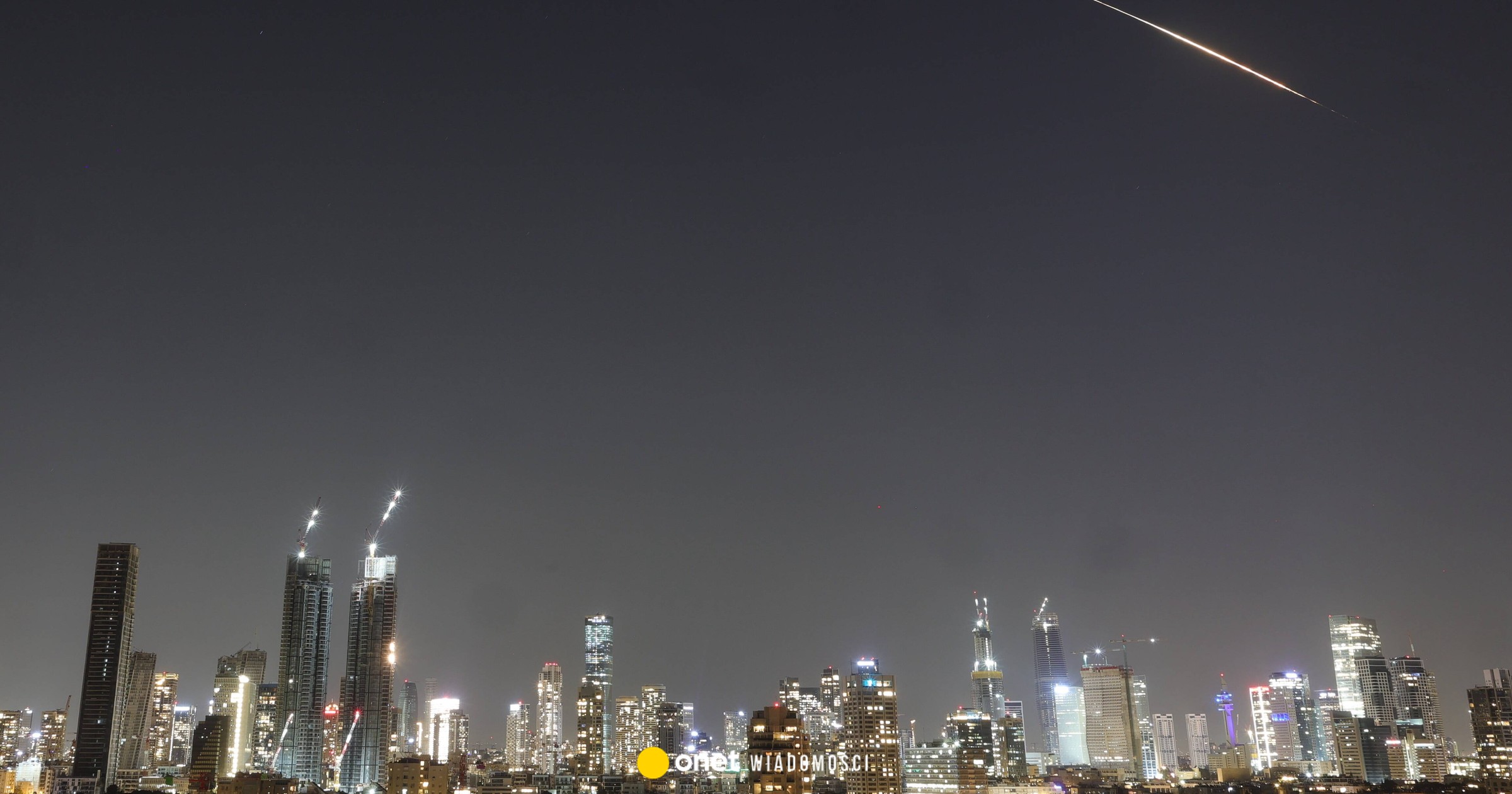
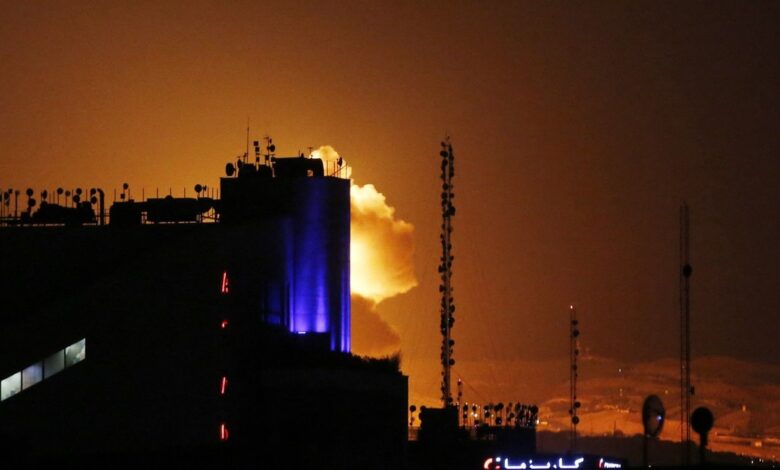
The three days of recent clashes have demonstrated how close the two camps are to the brink. Tehran hit back at Israel directly in response to a bloody raid on Beirut – marking the first violation of the accords since the US-brokered April ceasefire. Later, the downing of a US Apache helicopter by an Iranian drone triggered hours of US retaliation, followed by Iranian missile attacks on Washington's Gulf allies and Jordan.
It is the most severe crisis since the spring ceasefire, which ended 40 days of intense bombing that began in late February. Beyond the rhetoric, the real stake remains the blockade of Iranian ports imposed by the US and Tehran's counter-strategy to strangle commercial traffic through the Strait of Hormuz, the vital artery through which the bulk of the world's oil transits.
“We are running a war, but at the same time both camps are trying to set the parameters of the truce and gain additional leverage through kinetic strikes”explains Dina Esfandiary, Middle East analyst at Bloomberg Economics. “While no one wants a resumption of full-scale hostilities, both sides are prepared for the worst.”
Trump's nervousness and the “Mosaic Strategy”
The lack of progress on the diplomatic front has begun to visibly erode the patience of the White House. In an outburst on social media, President Donald Trump warned Tehran: “They took too long to negotiate a deal that would have been great for them, now they will have to pay the price!!!”. American media sources indicate that the leader in Washington is already considering ordering attacks on critical Iranian infrastructure – bridges and power plants – accusing Tehran of stalling at the negotiating table.
The incident involving the Apache helicopter off Oman exposes the vulnerabilities of Tehran's defense doctrine. To survive Western technological pressure, the Islamic Revolutionary Guard Corps (IRGC) applies the so-called “mosaic defense”. This gives huge autonomy to local commanders in the field, who can act on their own without direct orders from Tehran.
Such decentralization, however, exponentially increases the risk of a calculation error. Taking down the American apparatus was one step away from touching Trump's private red line: the killing of American soldiers, a scenario that would have automatically canceled the truce. The two crew members were rescued at the last moment by a maritime drone, an absolute first for rescue operations.
Tehran is calculating its steps
Although weakened economically and militarily after the first phase of the war, the regime in Tehran considers its ability to block the Strait of Hormuz and threaten energy facilities in the Gulf as its main playing card. Pushed by hardline factions at the top of power, Iran is adopting a much more aggressive military posture to rebuild its deterrence capability in the face of the Washington-Tel Aviv axis.
“It is an extremely fragile situation. This balance is unstable because of the risk of unwanted escalation“, points out Hamidreza Azizi, researcher at the German Institute for International Affairs and Security (SWP). “Iran's pattern so far has been to keep escalation below the critical threshold of killing US military personnel.”
The fact that Iran was the first to publicly announce the end of the firefight with Israel and avoided turning the downing of the Apache helicopter into a triumphalist propaganda tool shows that the Islamic autocracy knows its limits. The attacks avoided Israeli population centers or highly sensitive infrastructure in Saudi Arabia, being calibrated to send a political signal rather than to provoke an all-out war.
Netanyahu warns: Israel could stand alone against Iran. Fears are growing after the signals sent by Trump
Disaster diplomacy and the existential stakes
Behind the scenes, international mediators' efforts to extract a minimum memorandum of understanding – which would permanently end the fighting and reopen the Strait of Hormuz – are gathering pace. The major disputes revolve around the timing of the lifting of economic sanctions and how restrictions on Iran's nuclear program will be handled.
Neither side can afford to appear to be giving in or accepting an unfavorable deal under pressure. For the new leadership in Tehran, strengthened after the recent internal purges, the confrontation with the West acquired existential values. At this point, both Washington and Tehran need a saving political narrative: a diplomatic formula that allows them to de-escalate without this step back being interpreted as capitulation. Until then, the Middle East remains a powder room where the wick continues to smolder, the WSJ concludes.
JD Vance's bet: “This war will not become a quagmire for America”
The US vice president promises a quick end to the conflict with Iran, but does not rule out force if diplomacy fails.
A little more than 100 days after the start of the joint bombing campaign launched by the United States and Israel against Iran, the White House is trying to send a message of firmness and calculated optimism, despite an extremely fragile truce. In an exclusive phone interview with USA TODAY, Vice President JD Vance expressed his belief that President Donald Trump will prevent this conflict from turning into a military “quagmire” in which the United States remains mired for years without a clear mission or objectives.
“I'm extremely confident that we won't be talking about America's involvement in Iran in a year, much less in a few years.”Vance said.
His position is a highly symbolic one: A veteran of the Iraq war and the most vocal skeptic in the current administration regarding US military interventions abroad, Vance assures that the current campaign will not repeat the strategic mistakes of Iraq and Afghanistan, even if the peace negotiations seem compromised at the moment.
A knife-edge truce and domestic pressure
The armed conflict, which began on February 28, has entered a cease-fire phase since April, which American diplomats are trying, without major success, to turn into a comprehensive peace agreement. However, the reality on the ground contradicts Washington's optimism. Trump has repeatedly suggested a deal is imminent, but talks have stalled each time as both camps have resumed attacks. The most recent incident, on June 5, involved the interception of Iranian missiles and drones by the US Air Force, as the exchange of strikes between Israel and Iran threatens to completely nullify the ceasefire agreement.
Trump threatens Iran for delaying negotiations: “They will have to pay the price. The aggressor of the Middle East is DEAD!”
-The economic and political effects of this war have already begun to spread globally and domestically:
-The price of fuels has registered sudden increases on the international markets.
-President Trump's approval rating has taken a direct dip.
-Unrest is growing among Republican lawmakers, worried about the prospect of a protracted conflict.
Military backup options in the shadow of denuclearization
However, JD Vance does not rule out an escalation of military action if diplomatic channels fail for good. “I think we will be successful,” the vice president emphasized. “If this diplomacy ultimately breaks down, the president has other tools at his disposal. But as long as we keep this operation anchored in its core mission — to prevent Iran from obtaining a nuclear weapon — the conflict will not turn into another Vietnam.”