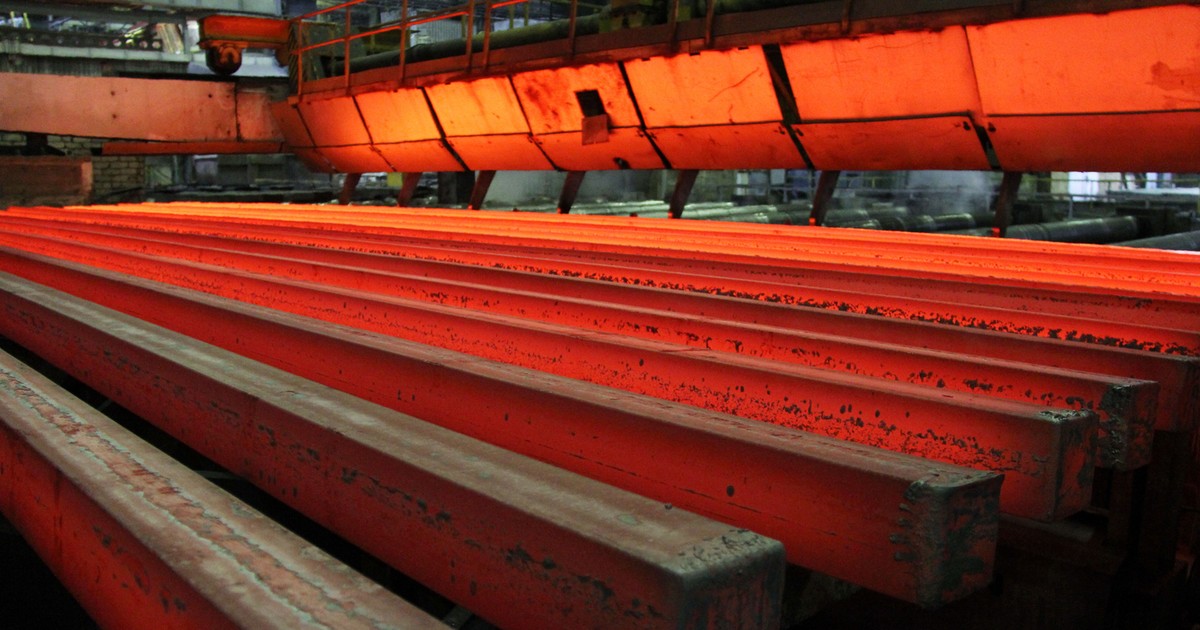
The new trade defense instruments are based on a tightening of the tariff quota system – imports exceeding the set quantitative limits will be subject to much higher customs duties.
Read also: Trump threatens Russia and Putin. He announces tariffs
At the same time, in order to make the operation of enterprises more flexible, Brussels will allow unused limits to be transferred between quarters in a given calendar year.
A shield for European industry
This decision was made at a key moment for the European economy, which is trying to become independent from external suppliers in strategic sectors. This is clearly emphasized by the words of the Cypriot Minister of Energy, Trade and Industry, Michael Damianos, whose country currently chairs the work of the EU Council:
“Steel is fundamental to Europe's industrial base, the ecological transition and Europe's security. Today's decision creates a stronger framework for responding to global market disruptions, protecting fair competition and ensuring greater predictability for steel producers and industries using this raw material.”
One of the most important innovations in EU law is the implementation of the restrictive “melt and pour” procedure. It obliges importers to precisely document in which country the steel was originally melted and first cast. This tool is intended to attack customs evasion and re-exporters who have so far masked the actual origin of the raw material by passing it through intermediary countries.
Read also: The base in Redzikowo is targeted
Crisis in the shadow of global overproduction
The EU steel industry has been on the defensive for years, choked by a global production surplus. The European Commission's forecasts are alarming: by 2027, global steel overproduction is expected to reach 721 million tonnes, which is five times greater than the annual demand of the entire Community.
While foreign imports are taking more market shares, European steel mills are emptying out – in 2024, their production capacity was only 67 percent used. Local companies are additionally affected by drastic energy prices and the gigantic financial outlays needed to implement the green transformation and decarbonization. The record of the last two decades is grim. The EC estimates that since 2007, approximately 65 million tons of production capacity have been eliminated in the EU, and up to 100,000 people have lost their jobs in the sector. people.
The new regulations are accompanied by a strong political accent. The Council of the EU, the European Parliament and the European Commission issued a joint declaration in which they declared the need to completely and gradually eliminate steel products from Russia from the market.