Germany, accused of not preparing fast enough for a confrontation with Russia. Poland is trying to strengthen its role as a regional leader


Germany treats the threat of a possible major military conflict with Russia as a long-term planning exercise rather than a strategic emergency. Because of this, the slow pace of reforms in the defense sector is causing concern in the states on NATO's eastern flank, especially in Poland, claims British political scientist Roderick Parkes, director of the German Society for Foreign Policy (DGAP), in an analysis published by the Polish daily Rzeczpospolita.
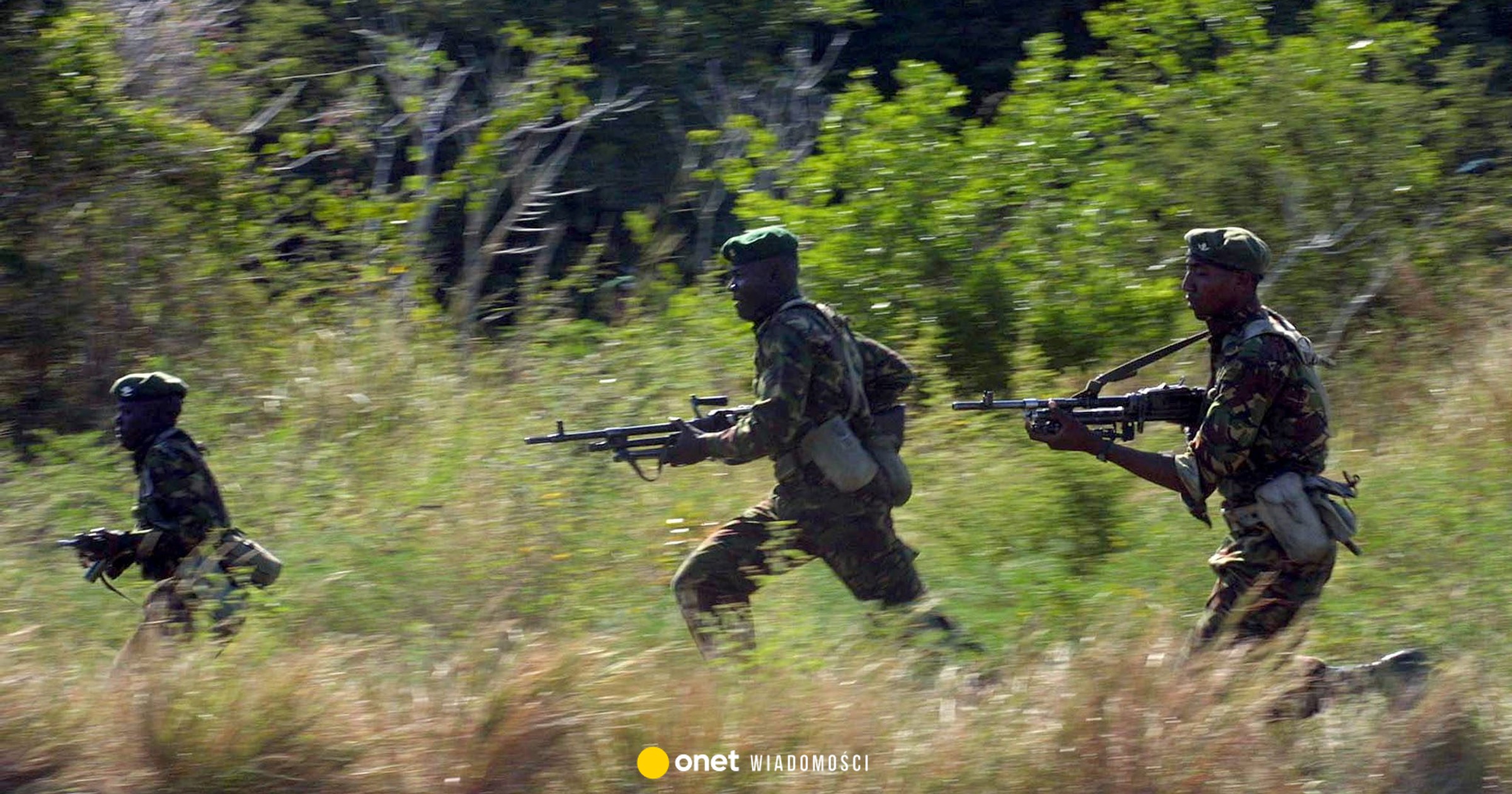
German soldiers/PHOTO: Profimedia
According to the expert, Berlin's approach conveys the impression that Germany is counting on the fact that any major military threat from Russia will not materialize before the end of this decade. In practice, he says, the objective of the German authorities is to reach a high level of military training only around 2030.
That prospect is viewed with increasing unease in Warsaw, where political and military leaders see the security risks as immediate and requiring accelerated action.
In Parkes' view, one of the explanations for the German delays lies in the reluctance of Berlin's political elites towards a more visible militarization of society. German leaders fear that the open preparation of the population and the economy for a possible conflict could fuel political polarization, the radicalization of some segments of society or internal tensions that are difficult to control.
As a result, Germany prefers a gradual approach based on investment and long-term reforms, even if this pace is considered insufficient by some of its Eastern European allies.
In contrast, Poland has adopted a much more aggressive strategy of strengthening defense capabilities. In recent years, Warsaw has launched extensive military endowment programs, invested in strategic infrastructure and accelerated its preparations for possible security crises.
According to the analysis, the differences between the two approaches have begun to produce effects at the political level as well. Amid the perception that Germany is reacting too slowly to security changes in Europe, Poland is trying to strengthen its role as a regional leader and influence the European defense agenda more strongly.
Relations between Berlin and Warsaw have already gone through a difficult period in recent years, and the differences have increased after Russia's large-scale invasion of Ukraine. While Poland has argued from the outset for quick and consistent military support for Kiev, Germany has been repeatedly criticized for its hesitancy and the slow pace of heavy weaponry deliveries.
In this context, the debate on the future of European security is no longer only about military resources, but also about who will lead the process of adapting the European Union to the new strategic reality created by the war in Ukraine.