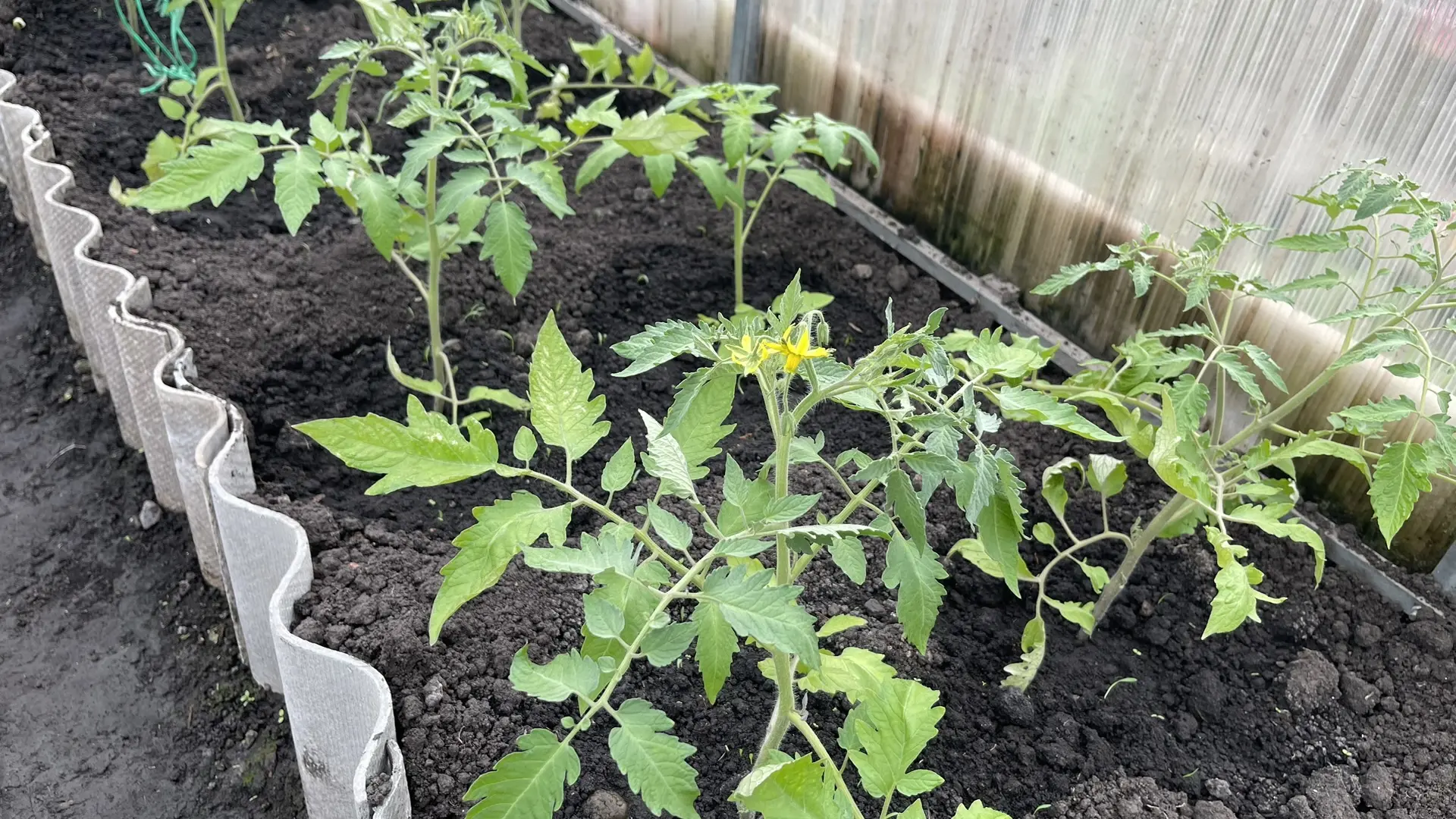
If 5–7 weeks after planting the seedlings there are no inflorescences on the tomato bushes, do not expect a miracle – without flowering there will be no fruit. The reason is most often hidden stress due to errors in agricultural technology, microclimate or nutrition.
Do not rush to blame the weather or the variety: first check the soil, watering and fertilizing. Timely measures can bring plants back to life and ensure a harvest.
The Key to Bloom
Phosphorus – metabolic catalyst. Without it, the plant cannot establish generative organs. Why doesn't the tomato get phosphorus?
- cold soil blocks absorption;
- Soil pH outside the 6.0–7.0 range converts phosphorus into unavailable forms;
- depleted soil after many years of planting.
Signs of deficiency: leaves with a purplish-purple tint on the underside, veins and stems turn red, the plant is stunted in growth.
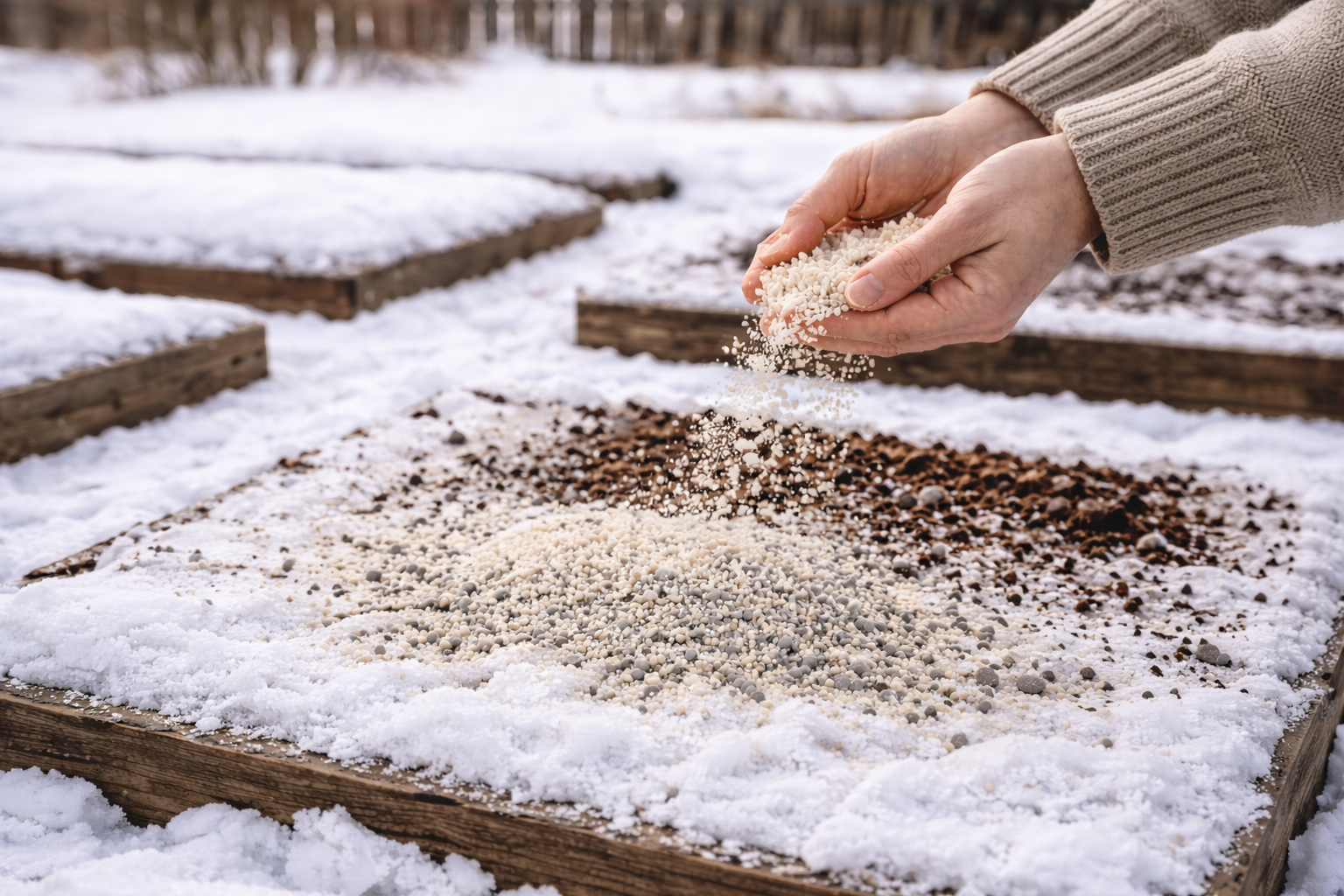
What to do: do a quick soil test. If there is a deficiency, apply bone meal or superphosphate into the ring furrow at a distance of 15–20 cm from the stem.
For quick help, spray the leaves with a phosphorus-containing solution. Infusions of banana peels with eggshells at the root work well.
Calcium and blossom end rot
Calcium deficiency leads to blossom end rot: a black, necrotic area at the bottom of the tomato. Calcium is inactive and moves only with water. With uneven watering or in hot weather, it does not reach the fruits.
Prevention is more important than cure:
- maintain stable soil moisture;
- use thick mulch;
- during the active flowering phase, spray the leaves with calcium chelate.
Nitrogen, weather and pollination
Excess nitrogen – bushes are dark green, powerful, but without flowers. Nitrogen fertilizing after the start of budding is contraindicated.
Meal schedule: before flowering – balanced NPK, during flowering – phosphorus and potassium, when filling – potassium.
Weather-related pollination disruptions: in cloudy weather, the pollen is heavy and does not fall off. When the heat is above +30 degrees during the day and +24 degrees at night, the pollen is sterilized, and dry air prevents adhesion.
Solution: Ventilate the greenhouse regularly and use fans. In the morning at about 10 o'clock, gently shake the flower brushes or tap the stem – a slight vibration imitates the wind and ensures pollination.
The combination of proper nutrition, microclimate control and timely techniques guarantees a harvest even in a capricious summer.
Personal experience
Last year the tomatoes were green and vigorous, but they didn’t even think about blooming. I remembered about phosphorus deficiency – I checked the soil, the pH turned out to be acidic. I added dolomite flour and fed it with superphosphate. After two weeks, the bushes seemed to wake up: clusters appeared, fruits began to form. Now I always check the soil before planting.