MPs calculated their raises according to the new wage law. They are already thinking about what they will do with the money: “Many say populists would donate it”

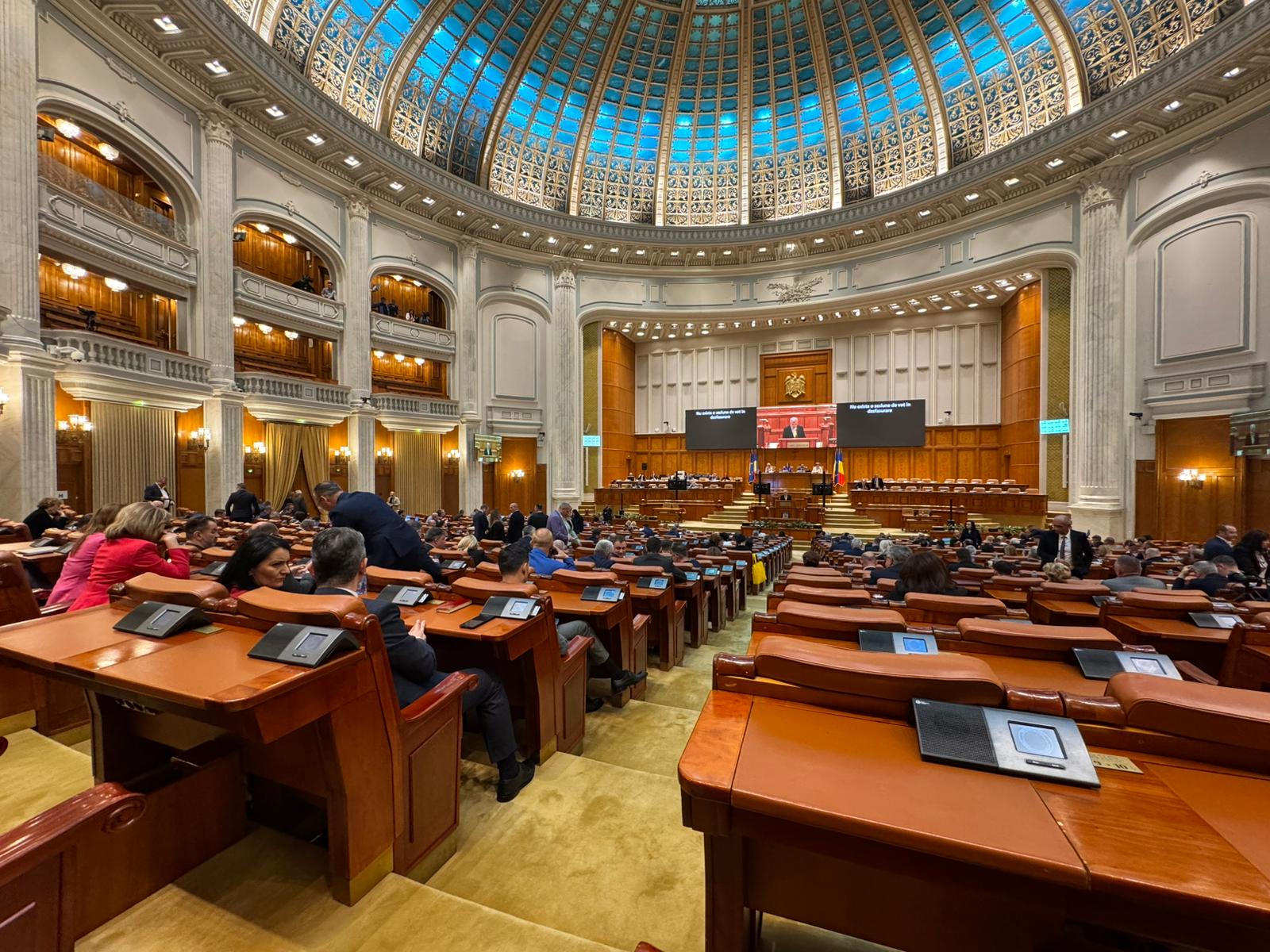
Senators and deputies oscillate between criticizing the inequities they think the new salary law would cause and thinking about what they will do with the extra 3,400 lei. The elected officials' salary will reach 14,391 lei net if the project is adopted in its current form, according to HotNews calculations. The presidents of the two chambers of the Parliament will earn even more: 17,988 lei net.
In the view of PNL deputy Robert Sighiartău, the new law initiates a correct resettlement in the budget system.
A parliamentarian's account: “a decent salary”
“There are two methods: either those who make politics in the Romanian Parliament are not remunerated, and then only those who have financial power do it – if not, that salary must be a decent one. If you look at the European average, you will see that there are hardly any salaries of 2,000 euros for parliamentarians, they are usually higher,” Sighiartău said on Wednesday in Parliament, for HotNews.
On the other hand, the former Minister of Health, Alexandru Rogobete, who, after his resignation, returned to the parliamentarian's salary, claims that it is not the right time for such increases.
“We went through ten hard months. We cut off from everyone, especially from the vulnerable. I think that the people who carry this country on their shoulders, and here I mean the important areas, health, education, the security zone and the list can go on, I think that's where we have to turn our gaze. I think that we have to think about this legislation,” says the social democrat.
USR MP George Gima told HotNews that USR will propose amending the salary law in such a way that MPs' salaries are frozen or increases are mitigated by reducing the lump sum.
How much does a parliamentarian earn in other European countries in the area?
Parliamentarians today have lower salaries than in other states in the region with a purchasing power similar to Romania's.
Romania: €2,087 (after increase: €2,745)
Bulgaria: €3,758
Poland – €2,290 – €2,410 (source:)
Czech Republic: €3,700
Hungary: – €4,090
*net salary/month
What would MPs do with the extra money?
Asked what he would do with the more than 3,400 lei in addition to his salary, Senator Ninel Peia, part of the PACE – First Romania group, says he would donate it to sick children.
AUR deputy Mihail Neamțu even promises to send HotNews the proof of all the donations he will make from this salary increase.
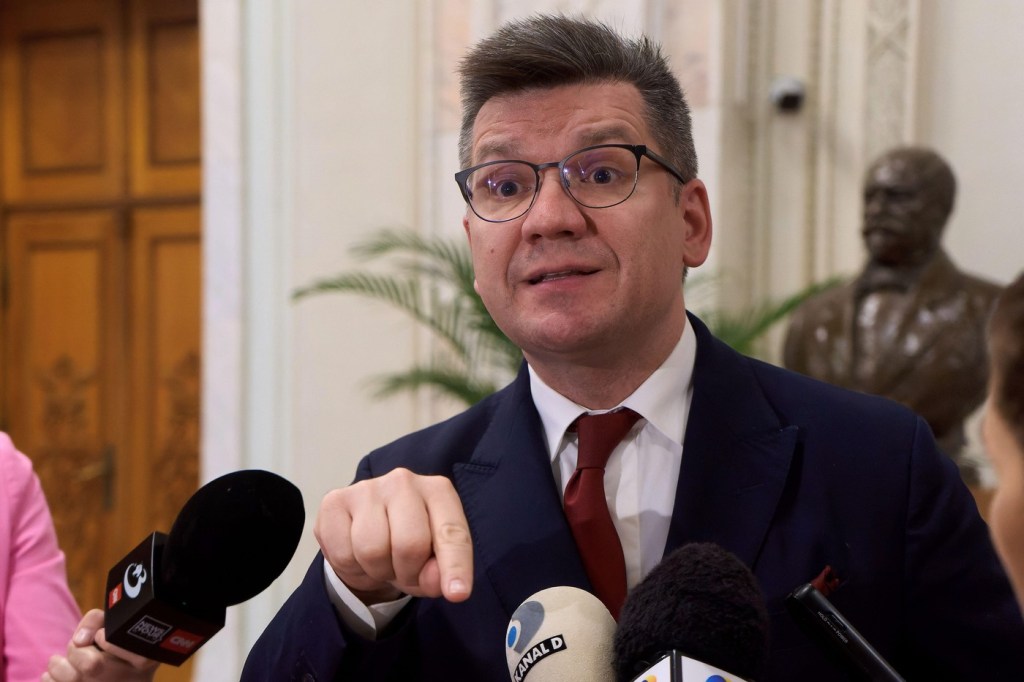
“I make a lot of donations, I'll tell you exactly where I gave that money. With so many parliamentarians, I think it's a waste. But that's not where it's imperative to cut. 3,000 lei is important, it's true, but as a rule, you know this money goes according to protocol,” says Neamțu.
USR MP George Gima criticizes those who say they will donate the money. He accuses them of populism.
“I don't know what I would do with the extra money, I would probably donate it too. But, I don't think it's the time to think about it. The USR will propose freezing the salaries of MPs or compensating them by reducing the lump sum,” said Gima in a response to HotNews.
Lucian Andrușca, former POT deputy, today, PSD affiliate: “Many populists say they would donate to him. It's hard for me to figure out what I would do now,” says Andrușca. At the moment we are not interested in increasing our salaries, we are interested in the world living well. I did not ask for this and I do not agree that it should be increased. But if they raised it for dignitaries, let them raise it for everyone.”
Officials, at the top of the new salary scale
The project put up for public debate introduces a unique grid, consisting of 12 salary grades. Each level corresponds to a coefficient between 1 and 8, which will be multiplied by the reference value of 4100 lei to establish the basic salary.
The President of Romania would have the highest salary: approximately 19,200 lei net. In the case of parliamentarians, the increase is from 10,951 lei net to 14,391 net. However, things could change following the amendments.
Instead, a pre-university teacher at the beginning of his career will receive an increase of approximately 600 lei.
In the public sector, 56% of employees will have higher wages from January 1, 2027, if the law is adopted in its current form. For the other budget workers, the salaries will remain unchanged, the interim Minister of Labor, Dragoș Pîslaru, announced on Monday.
The government is trying to get the European Commission's approval for freezing or staggering the increase in the salaries of dignitaries until 2031, in the context of the final renegotiation of the National Recovery and Resilience Plan. If the wage law is not adopted soon, Romania will lose funds of over 700 million euros from the PNRR.