Florin Manole accuses Dragoş Pîslaru of lying in the matter of the management increase from the draft salary law

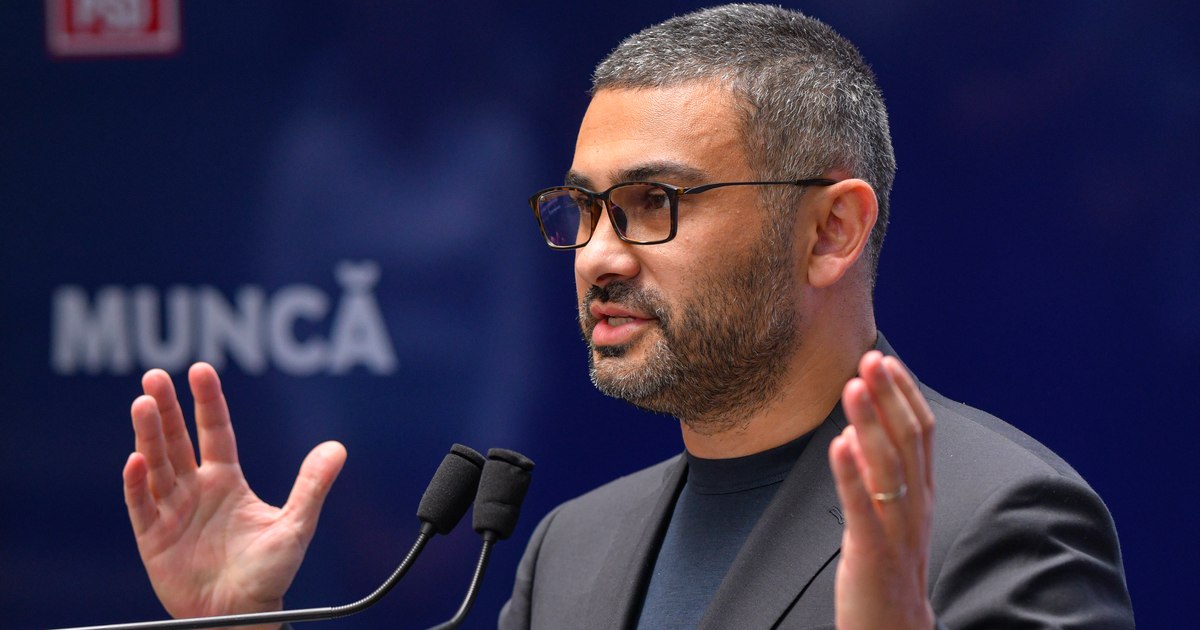
The former Minister of Labor Florin Manole declared, on Tuesday, June 2, that the statement of the interim minister Dragoş Pîslaru, that the leadership increase was missing from the draft salary law, which he received when the PSD left the Government, is false and told him not to make a populism contest and not to try to make electoral promises. He accuses Pîslaru of not agreeing to this increase in leadership, in the discussions with the parties.
Florin Manole, former Minister of Labor PHOTO: Mediafax
“The other day, I saw a statement made by Mr. Pîslaru, regarding the so-called management bonus, an extremely important subject for the pre-university education system, because it is about tens of thousands of managers in this country who, in addition to their salary income, benefit from this right. Mr. Pîslaru referred to the management bonus as something that needs to be repaired and added, because it was missing from the project he received at the departure of the Social Democratic Party from the government. This thing is false and the reason for this statement is to restore the truth, namely, the leadership increase was among our proposals to be granted in the next salary law”said Florin Manole at Parliament, according to News.
He specified that, more than that, at the table with all the leaders sent by the parties to discuss the technical parts of the consensus that they all signed, he insisted for the leadership increase to remain, even if it has a large budgetary impact, precisely because it has a significant social impact.
“At that discussion, sir Pîslaru did not agree, just as he did not agree with the doctorate increase eithera matter that he even expressed publicly a few days ago. He did not agree, only to change his mind after a few days, during the negotiations with the education unions. It's very good that he came back to better ideas, it's very good that he reached the same conclusion we reached two or three weeks ago, but he should admit and do it honestly and clearly that the leadership increase was in the project that I left, because it was an important increase for the teaching staff and not to make a populism contest, not to try to make electoral promises, because the purpose of our consensus was not to have a contest of amendments, but to we maintain coherence and decency in the public discourse regarding this project”emphasized the former Minister of Labor.
Manole also showed that he would not have made this statement if Minister Dragoş Pîslaru had not been misinformed by saying that he was improving the project with this increase.
“No, the doctorate increase was the same as the management increase in the project I left”, he completed.
About the disappearing gradation of merit, Florin Manole stated that “there are many increments that disappear and many benefits that are integrated into the salary base, so that the employee's income does not decrease”.
“The significant difference up to this moment, we see how the negotiations and discussions will evolve, was related to the management, because there are tens of thousands of teachers in this country, from the pre-university system who need the most support, who benefited from this increase and who must continue to benefit from this financial support”he stated.
Dragoş Pîslaru, the interim Minister of Labor, presented the preliminary conclusions, after the first consultations on the wage law, which must be adopted and implemented by August 31.
In a post on Facebook, the interim Minister of Labour, Dragoș Pîslaru, explains that the observations received will be analyzed and, where necessary, corrections will be made, but emphasizes that he excludes a negotiation of salaries in the public system.
In his opinion, many of these discussions should have taken place years ago and that, if the wage law had entered into force in 2023, as it was originally foreseen, things would have been much simpler now, when Romania must reduce the budget deficit, respect strict fiscal limits and recover the accumulated delays in the implementation of the reforms assumed through the PNRR.