Increase in oil prices after attacks by Iran and the USA. Analysts do not believe in stabilization

Over the weekend, attacks were exchanged between the United States and Iran despite the announced truce. US Central Command announced that it had carried out “self-defense strikes” against military targets in southern Iran, while the Iranian Revolutionary Guard said that it had attacked a US air base in the region. At the same time, Israel is expanding operations against Hezbollah in Lebanon. The tense situation caused an immediate reaction on the oil market. After recent price declines, rates began to rise again on Monday morning.
See also: Oil exports through Hormuz did not return to pre-war levels for a long time. This will affect prices
Oil prices increase by over 2%.
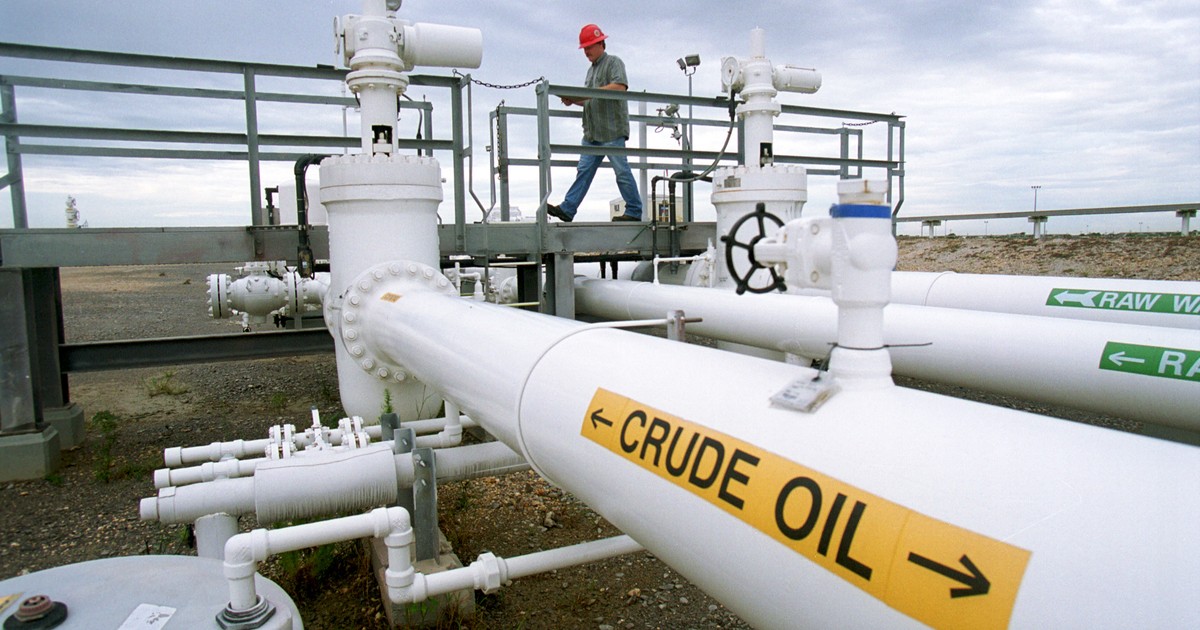
Just a few days ago, there was optimism on the oil market after the prospect of a ceasefire between the US and Iran appeared. Brent crude oil prices fell by about 20%. from the peak this year. However, it did not last long and prices rose again on Monday by over 2%. U.S. crude oil futures rose $2.29, or 2.62 percent, to $89.65. per barrel. Brent futures rose $2.05, or 2.25 percent, to $93.17. per barrel.
See also: The government's decision on the CPN package. “The dynamics are too high today”
Oil shipments continue to be disrupted, and events in the Middle East raise concerns that the Strait of Hormuz will not be unblocked anytime soon. According to IG analyst Tony Sycamore, even after opening this key route, no quick relief in the market should be expected. “Even if an agreement is reached, it will not result in a flood of supplies,” Sycamore said, quoted by Reuters.
The Strait of Hormuz is a conduit for about one-fifth of the world's oil and gas flows. After the US attack on Iran in late February, the strait was effectively blocked by Tehran, causing oil shortages and a sharp increase in fuel prices in many countries around the world.