How to have a healthy lawn even in a drought. Tips and secrets from Australian and British experts

Hot summers are a real nightmare for those who have a lawn in their yard. And that's because high temperatures accelerate the loss of moisture and actually spoil the beauty of the lawn. The good news, experts say, is that there are ways to combat the heatwave and save your lawn.
The lawn is demanding PHOTO getty images
The popularity of the lawn has exploded in Romania in recent years, both in urban areas and in the countryside. Along with the development of the real estate market and the desire of as many people as possible to stay in the yard, Romanians invest massively in green spaces for relaxation, some even opting for lawn rolls with a therapeutic and air purifying effect.
But lawns aren't exactly easy to care for when it comes to maintenance. It is beautiful, pleasant to the touch, therapeutic, but extremely luxurious. The lawn is considered one of the most demanding “crops” in a yard. The success of a great lawn depends on three key factors: mowing, irrigation and fertilization. Not to mention the quality of the soil. If we talk about an ornamental lawn, it is extremely demanding. The sports and traffic one is a more resistant variant, but still demanding to maintain. And one of the lawn's biggest enemies remains excessive heat and drought during hot summers.
How drought can destroy our lawn
Drought and excessive heat have a deadly effect on lawns. The major difficulties during hot summers occur because the high temperatures accelerate the loss of moisture and exceed the ability of the roots to hydrate the plant. To survive, turf either enters a protective state, turning brown and dormant (dormant) to conserve energy, or suffers severe root and cell damage from heat and dehydration.
First, excessive heat causes rapid evaporation. As the temperature rises, water evaporates from the soil and grass blades (through transpiration) much faster than the roots can absorb it from the soil. And frequent watering, but in small amounts, favors the development of a superficial root system, very vulnerable to drying when the upper layer of the soil heats up. As mentioned above, lawns have two different ways of behaving when suffering from heat and lack of water. It either goes dormant and then, to protect itself from the heat, the grass often turns straw-yellow and slows or stops growing. This dormant state is a natural survival mechanism.
Or, simply, the roots die and then we have nothing to do with the lawn, the culture being compromised. If a severe heat wave and drought persists for a long time, the roots may actually die. At the same time, the disastrous effects of heat on the lawn can be exacerbated by a number of additional stress factors. For example, heat-weakened turf becomes much more vulnerable to opportunistic weeds and insect pests, such as weed bugs, that extract the remaining moisture from the grass blades. In addition, dry soil compacts more easily, preventing air and water from reaching the root zone. If somehow the lawn has been cut too short, then we can expect a quick “death” of the lawn in the heatwave. And that's because cutting the grass too short reduces the plant's ability to carry out photosynthesis and eliminates the protective shade needed to maintain moisture in the soil.
Good news from the specialists. How can we protect our lawn from extreme heat?
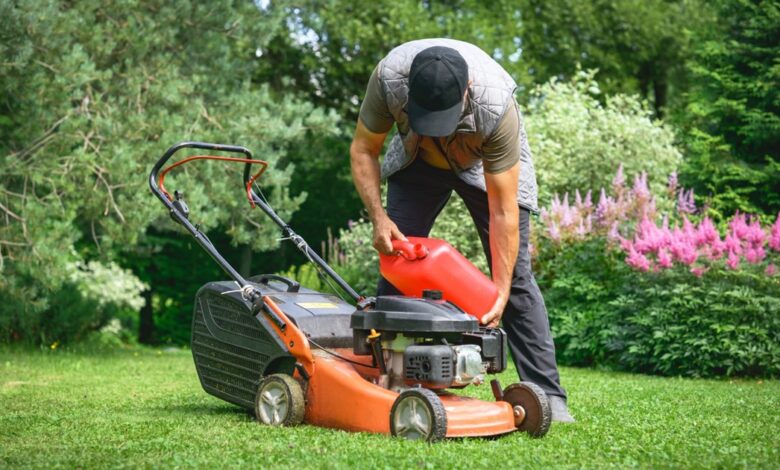
Lawn specialists, especially in Western Europe and the US, say there are still some simple ways to protect your lawn, especially during the heatwave. It would be best to start by checking your lawn mower equipment. And the most important thing to take into account is the technical condition of the lawn mower blades. And that's because blunt blades can damage your lawn, leaving uneven cuts that weaken grass blades and make them more vulnerable to disease and pests. In addition, a lawn mowed with blunt blades will look unkempt. It is therefore recommended to sharpen the blades if necessary.
A lawnmower robot destroyed the pitch of a club in Germany: “Sensors no longer work properly”
Second important tip: fertilize in early summer. And if we are still at the beginning of June, the specialists say that you should not waste any more time and do a fertilization as per the book. “To keep your lawn in great condition throughout the summer, apply a layer of fertilizer early in the season. At this time, temperatures have not yet reached their peak, and fertilizing in very hot weather can cause lawn burn. During the summer, a slow-release fertilizer is recommended, which provides nutrients gradually and supports long-term healthy growth.”say the specialists at Lawn Pride in Australia.
The third tip is as natural as it gets: watch out for pests. They can weaken the health of the grass and lead to a nightmare on hot days. Most weeds that choke the lawn grow more slowly in the summer, but certain resistant species can continue to spread and compete with the lawn for water and nutrients. Monitor your lawn regularly and intervene quickly when you notice weeds. A healthy, well-watered and properly fertilized lawn will have a greater ability to fight them off naturally. The first signs of fungal diseases are sparse or thinning areas, sticky or mucilaginous leaves and discoloration. These are warning signs that you need to intervene.
Lawn watering, a great art of survival
Of all the expert advice, the most important is related to watering the lawn. It is a real science in that there are certain time intervals when the lawn can be optimally watered. More precisely, experts say that the optimal watering of the lawn, in hot summers, should be done early in the morning, between 6:00 and 10:00. This reduces water loss through evaporation, allows moisture to penetrate deep into the root zone before intense heat sets in, and helps prevent disease by drying grass blades quickly.
You may be wondering why so early in the morning. Well, because the temperatures are lower and the wind is usually weaker. The water has time to penetrate the soil and reach the roots, instead of quickly evaporating in the hot summer air. In addition, it prevents the occurrence of diseases. Watering in the evening or at night keeps the grass moist for long periods. Moisture combined with darkness favors the development of fungi and fungal diseases. Instead, watering the lawn in the morning allows the sun and air circulation to quickly dry the grass blades.
The best lawnmower solution in 2026: Top 3 picks + alternatives to machines, trimmers and brushcutters – quick guide so you don't lose money
Now the question arises: how much water do we give the lawn? So that it's not too little, but we don't flood it either. Most lawns, experts say, need about 25–38 mm of water per week (the equivalent of 1–1.5 inches), from rain and/or irrigation. To check that you are watering enough, you can place a few containers (eg empty cans) on the lawn while watering. When the water level reaches about 25–38 mm, you have supplied the required amount for the whole week.
At the same time, experts say that, rather than watering often and superficially, it is better to water 2-3 times a week, but deeply. “Instead of watering sparingly and often, give your lawn a deep watering two or three times a week to encourage stronger roots. A sprinkler is ideal for this because it allows the lawn to be evenly and thoroughly watered with minimal effort. Leave it running long enough for the moisture to penetrate deep into the soil, encouraging root development and a healthier, more drought-resistant lawn. Watering in the morning helps reduce evaporation and allows water to penetrate more efficiently into the soil”say the experts from Garden Health.