Huge war costs wreak havoc on Russia's finances as Ukraine's 'drone supremacy' stalls Putin's troops at the frontline

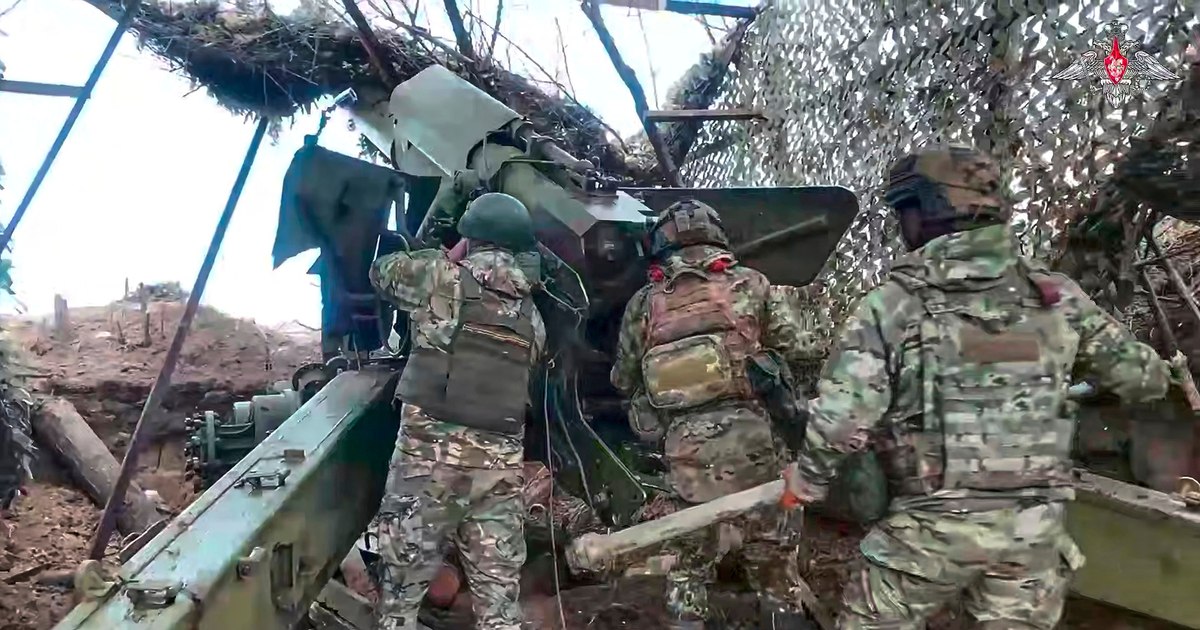
The Kremlin has sounded a stark alarm about the accelerating deterioration of its finances just as the military campaign in Ukraine has taken a turn against Russian forces.
Russian troops, in difficulty on the front in Ukraine/PHOTO: Profimedia
According to an official letter seen by the Financial Times, Moscow's Finance Ministry estimated in February that spending on Vladimir Putin's war was on track to exceed the original budget by at least 2 trillion rubles (about $28 billion) this year alone. In an even more pessimistic scenario, this figure could reach an additional deficit of 4 trillion rubles.
Moreover, the ministry is forecasting similar overruns of 4 trillion rubles each for 2027 and 2028, already asking the cabinet to freeze spending in non-military sectors for the next period.
The deficit explodes, the economy stagnates
This explosion in military spending comes as Russia's budget deficit is rapidly deepening. Although the Kremlin had initially anticipated a deficit of 3.8 trillion rubles for the whole year, it has already reached the critical threshold of 5.9 trillion rubles in the first four months alone, notes the Financial Times.
The situation is so dire that the Ministry of Finance has asked government agencies for a 10% reduction in non-essential spending. At the same time, economic growth is stagnating: the estimates regarding the evolution of the GDP for this year have been revised down drastically, from 1.3% to only 0.4%.
To cover these black holes in the budget, the Russian government has had to call on the reserves of the National Welfare Fund, which are quickly being depleted. At the same time, high inflation caused by the war economy keeps interest rates high, fueling fears of an impending debt crisis among companies and the public.
Even the rise in oil prices, which occurred amid the conflict between the US, Israel and Iran since the end of February, could not completely save the situation. Finance Minister Anton Siluanov recently admitted that additional income from energy exports in April was virtually canceled out by March's poor performance. In addition, massive subsidies paid by the Kremlin to domestic oil companies to cap pump prices have severely limited state profits.
The paradigm shift on the Ukrainian front
The February financial warning coincided with a turning point on the battlefield. Around the same time, SpaceX blocked the Russian military's ability to use Starlink internet connections to guide drones, drastically reducing the effectiveness of Moscow's attacks.
Simultaneously, Ukraine implemented major technological innovations in its own drone production, managing to outwit Russian air defense systems and strike deep into the territory of the Russian Federation.
Since then, Ukrainian attacks have methodically hit Russian oil infrastructure, further affecting Moscow's energy revenues, and disrupted supply lines linking Russia to the occupied territories. This strategy blocked the advance of Russian troops, allowing Kiev to regain ground. In addition, Russian casualties have risen to more than 30,000 soldiers per month, putting huge financial pressure on the Kremlin, which is forced to offer ever-increasing recruitment bonuses and substantial compensation to the families of those killed.
Tactical supremacy of Ukrainian drones
“Ukraine's success in blocking the Russian advance and recovering some frontline sectors, in tandem with the limited reintroduction of tactical mechanized maneuvers, could mark the beginning of a new phase of the war”notes the Institute for the Study of War (ISW) in its latest report.
If previously the war of attrition based on drones had limited the ability of both sides to advance, now Ukraine has true “tactical drone supremacy”, according to US experts. For the first time since 2023, Kiev is regaining more territory than it is losing, seizing the initiative and forcing Russia on the defensive.
This dynamic has no single explanation, but is the result of improved operational planning, the use of new battlefield management software, and superior counterattack tactics.
However, drones remain the key element. Kiev estimates that it currently has a ratio of 1.3 attack drones on the front for every Russian drone. Ukraine has developed a domestic defense industry capable of producing millions of unmanned aerial vehicles per year, ensuring a steady flow of thousands of new units each month.
“Ukrainian forces gain temporary tactical superiority in certain sectors of the front, which slows down Russia's offensive operations by degrading the effectiveness of its maneuvers,” concludes ISW.