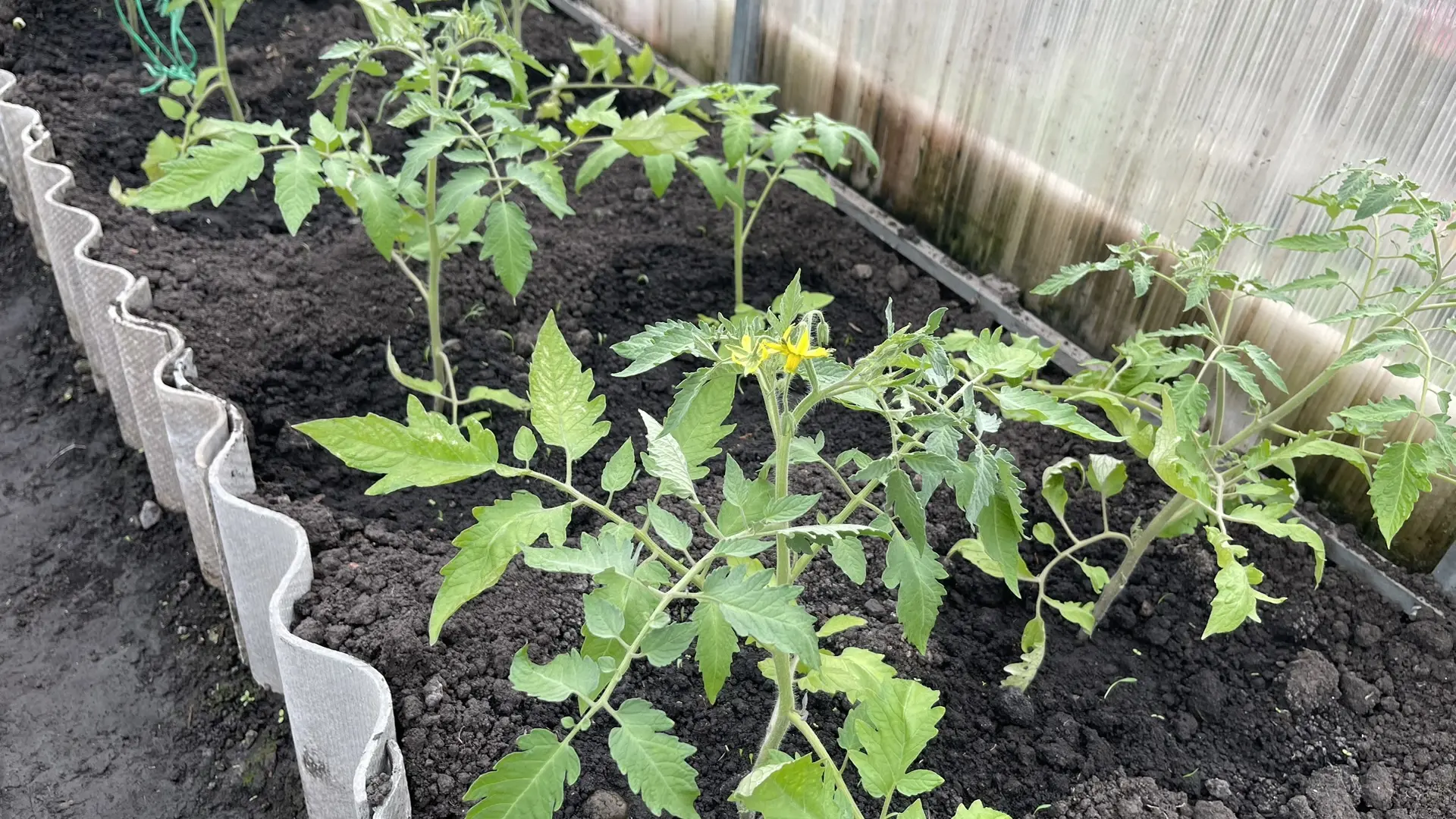
In order for tomatoes to produce a rich harvest, they need to be provided with good nutrition at each stage of growth. A lack of fertilizer will immediately affect the ovaries and the taste of the fruit. Here is a simple feeding scheme from seedlings to fruiting – follow it, and the result will not disappoint.
Seedlings and planting in the ground
To quickly adapt the roots, use superphosphate – 3 g per 10 liters of water. Phosphorus stimulates the development of the root system, which is important for good growth.
Active growth
When the tomatoes gain mass, use urea – 15 g per 10 liters of water. Watering at the root. Nitrogen stimulates the growth of leaves and stems.
It is important not to overdo it, so that there is no excess greenery to the detriment of the fruit.
Flowering and fruiting
At this stage, you need potassium and phosphorus, which are found in wood ash. You can apply it dry under the bushes (1 glass per bush) or prepare a solution: 1 glass of ash per 10 liters of water, leave for 24 hours. Potassium promotes the formation of fruits and improves their taste.
For sweetness and abundance of fruits
- boric acid – 1 g per 1 liter of warm water, spraying on the leaf. Boron improves pollination and fruit set, prevents flowers from falling off;
- kalimagnesia – 20 g per 10 liters of water, watering at the root. Contains potassium and magnesium, necessary for the formation of large, sweet fruits.
Important rules: Follow the dosage, water the plant before fertilizing, otherwise you can burn the roots. Do not use all the fertilizers at once – feed the tomatoes every 10-14 days, alternating different formulations.
Personal experience
Last year, the tomatoes were fattened: the leaves were huge, but there were almost no ovaries. I realized that I overfed her with nitrogen. I urgently gave potassium supplements and removed the urea. After two weeks, the bushes were transformed – the tassels began to form, the tomatoes became filled with sweetness. Now I strictly monitor the dosage and alternate fertilizers.