The impasse of US sanctions. How Iran managed to neutralize Washington's “Economic Rage” strategy


The White House's plans to financially bring Tehran to its knees appear to be hitting an insurmountable wall. The administration led by Donald Trump faces severe limits in its attempt to completely isolate and collapse the Iranian economy.
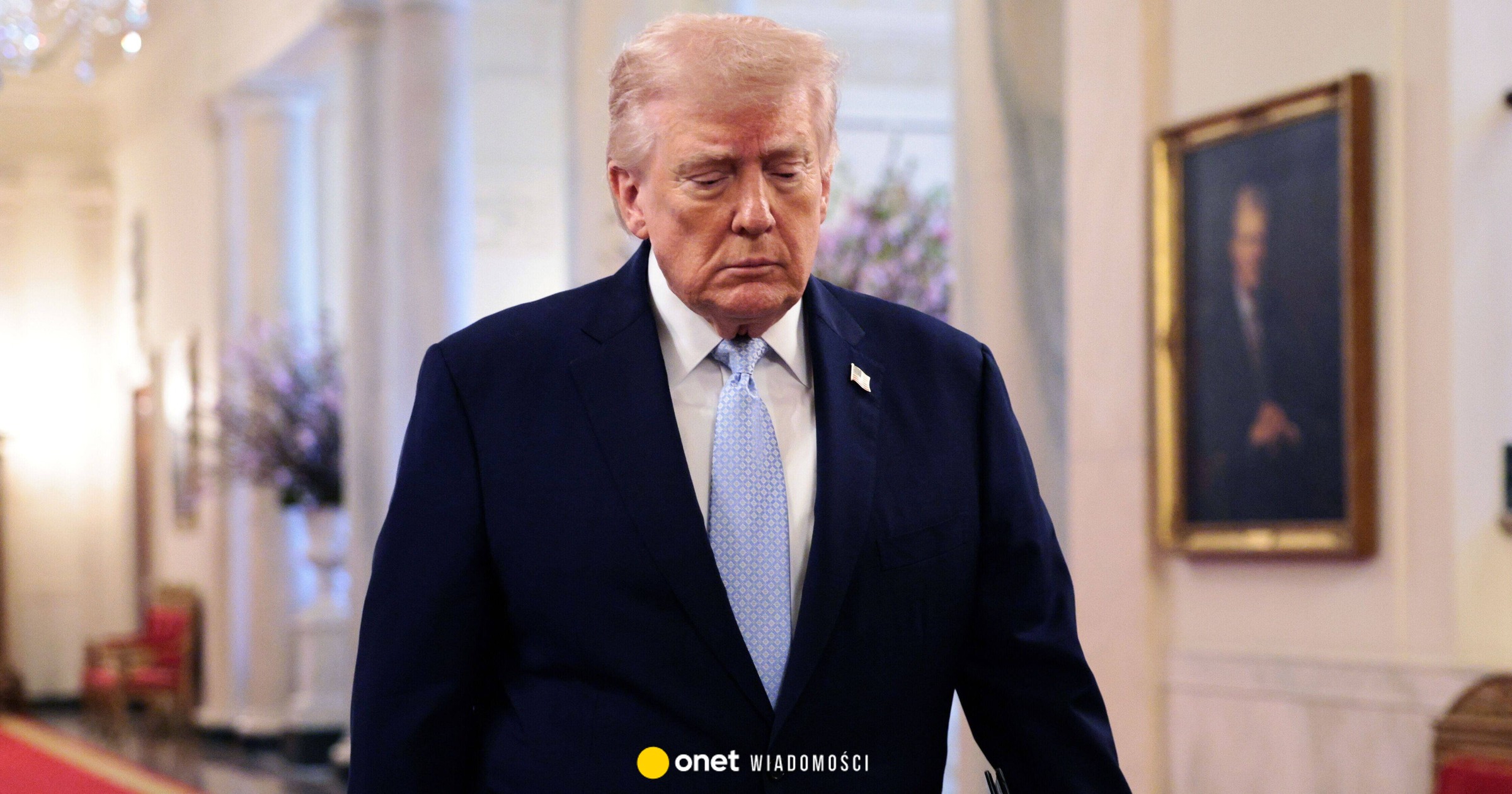
Tehran proved more resilient than Trump hoped/PHOTO:AFP
The aggressive campaign called “Economic Fury”, launched a little over a month ago as an extension of maximum pressure, has not yet produced the results expected by Washington, and Tehran refuses to give in to American ultimatums, notes a Bloomberg analysis.
In an attempt to close ranks, US Treasury Secretary Scott Bessent issued a strong appeal to international allies to join the financial blockade. The initiative was put on the table immediately after the armistice that stopped the previous military operation, “Epic Fury”. In reality, however, the new strategy copies almost exactly the measures of Trump's first term, proving the same limited effectiveness in the face of an opponent who has learned to survive in isolation.
The underground economy and the Chinese pillar: 2,000 sanctions without the intended effect
The failure of the new restrictions is explained by experts by the systemic resistance that Tehran has built up over the past decade. The total number of sanctions imposed on Iran in the last eight years has reached the critical threshold of 2,000, but the basic architecture of Iranian exports has remained intact.
“We see no fundamental change in target setting. The prerogatives have remained the same, and the geography of the economic blows is identical”, observes Jeremy Paner, an expert at the law firm Hughes Hubbard & Reed, specializing in monitoring the Iranian oil and petrochemical sector.
The US restrictions targeted a wide range of entities: Iranian oil companies, both state and private; international shipping companies and oil tanker fleets; foreign exchange houses and financial intermediaries in China and the Middle East.
However, neither the massive bombing campaign carried out in partnership with Israel nor the declared naval blockade have succeeded in stopping the flow of Iranian crude oil to Beijing. This vital trade valve proves that Tehran can absorb external shocks as long as it has a buyer the size of China.
Fuel price versus geopolitical ambitions
Washington has fallen into the trap that has plagued all previous US administrations: how to suffocate Iran's economy without causing an earthquake in global energy markets and, by implication, an explosive increase in pump prices for American consumers.
Richard Nephew, a former State Department official and sanctions policy coordinator, warns that the tool of purely economic pressure has been completely exhausted. In his opinion, the White House now has only two options: either come up with a completely new and radical strategy, or significantly reduce its geopolitical claims in relation to Tehran.
The time factor also plays against Washington. Donald Trump wants a quick resolution to the crisis that has temporarily blocked the Strait of Hormuz and inflamed energy prices. Although Secretary of State Marco Rubio and Iranian diplomacy are signaling progress in peace talks, Tehran has no incentive to capitulate the last hundred yards. Iranian officials are well aware that an agreement signed in the coming weeks will automatically lift most of the financial shackles.
The “Axis of the Sanctioned” and the birth of a huge parallel global economy
Tehran's resistance is not an isolated phenomenon, but reflects a broader geopolitical trend already successfully tested by Moscow and Pyongyang. Pushed to the fringes of the Western financial system, these states have consolidated a veritable “axis of the sanctioned”, developing military and technological barter mechanisms completely immune to Washington's coercive tools. Under this juncture alliance, Russia uses Iranian drones and North Korean munitions, providing Tehran with crucial satellite intelligence and reconnaissance support in return.
Geo-economics analysts note that the US sanctions network has only spawned a gigantic global underground economy. Washington's move to a military maritime blockade is, in essence, an admission that the classic financial arsenal has ceased to work.
In addition, the complex relationship with Beijing remains a thorn in the White House's strategy. Despite recent sanctions on Chinese refiners that processed Iranian oil in yuan, Trump suggested after his meeting with Chinese leader Xi Jinping that he might ease pressure on Chinese companies in exchange for signing the final deal with Iran.
This fluctuating approach points to a fragmented strategy, described by Bloomberg Economics analysts as an attempt to “throw spaghetti at the wall” in the hope that something will stick. But, under the current conditions, a capitulation of the Tehran regime remains an extremely unlikely scenario.
Moreover, domestic pressure is also mounting in Washington: the US Senate advanced a bipartisan resolution aimed at forcing Donald Trump to either end the war with Iran or obtain explicit authorization from Congress, signaling that the US legislature's tolerance for a prolonged and costly conflict is at an end.