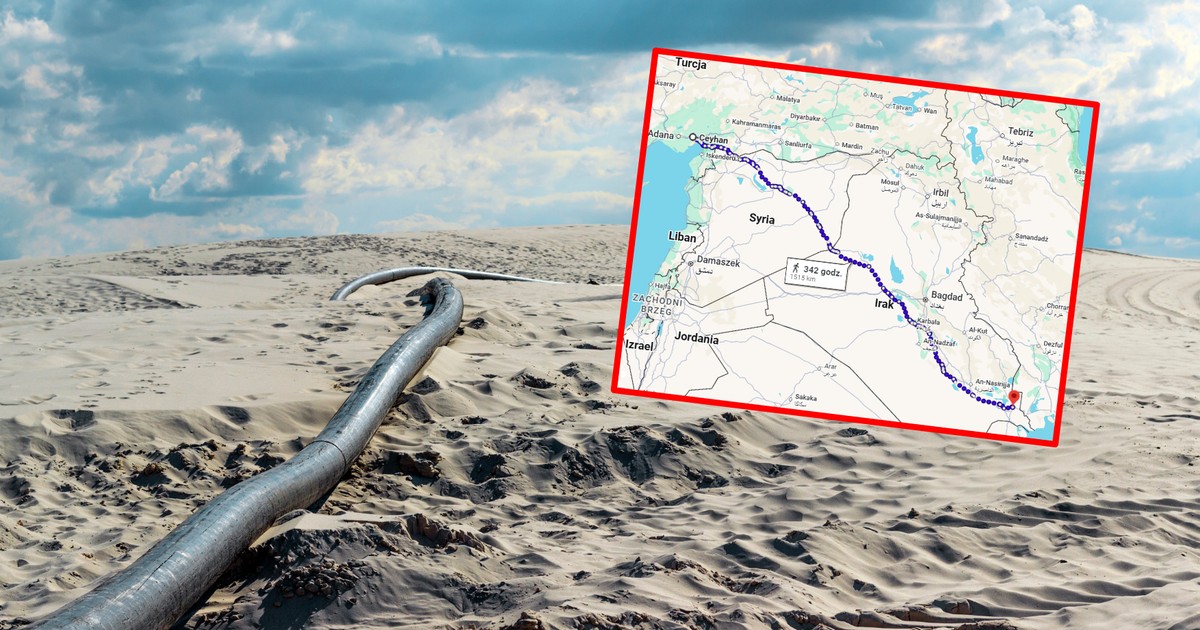
According to Bloomberg, the head of the International Energy Agency, Fatih Birol, proposed building a pipeline connecting the oil fields in Basra, Iraq, with a Turkish terminal in Ceyhan on the Mediterranean Sea.
The project would be of strategic importance – not only for Iraq and Turkey, but also for Europe, which is looking for more stable sources of energy supplies.
As Birol emphasized, the investment could “change the balance” in the global oil trade, reducing dependence on the strait Hormuz.
Hormuz is under pressure again. There is a new proposal
The impetus for this proposal is the deteriorating situation in the region. Iran has reintroduced restrictions on ship traffic in the Strait of Hormuz — just a day after announcing its opening.
Some LNG tankers turned back mid-voyage after warnings from Tehran, showing how unstable this key transport route remains.
Birol leaves no doubts.
“The vase has already been broken once and it is very difficult to repair it,” he said, referring to the loss of confidence in shipping safety in Hormuz.
Crucial for Iraq and Europe
Iraq is particularly dependent on the strait – as much as approximately 90 percent. its oil exports are carried out through the port of Basra, which has one of the largest reserves in the world (approx. 90 billion barrels), as Bloomberg reminds.
The new pipeline would make exports independent from the unstable Persian Gulf region and at the same time strengthen Turkey's position as a key energy hub between the Middle East and Europe.
From a European perspective, this would mean greater energy security and diversification of supplies — particularly important in the conditions of growing geopolitical tensions.
The project is possible – but requires political consent
The key condition for implementing the investment is a political agreement between Iraq and Turkey. According to Birol, it is achievable, and the financing of the project could count on international support, including European support.
The idea fits into Ankara's broader plans – Türkiye has previously proposed expanding the existing transmission infrastructure and developing a trade corridor connecting the Persian Gulf with Europe.
- Read also: They are building a pipeline that will bypass Hormuz. When is the grand opening?
Infrastructure projects under pressure. The war in the Middle East complicates the situation
The new concept is also gaining importance because other infrastructure initiatives have stalled.
The Israel-Hamas war and Houthi attacks on ships in the Red Sea have hampered the development of the India-Middle East-Europe Economic Corridor project, supported by the US.
As a result, the importance of alternative routes is growing – and Türkiye is beginning to be perceived as a more stable and viable destination for new investments.
As Boomberg emphasizes, the crisis around the Strait of Hormuz is accelerating changes in the global energy architecture. The proposal to build the Basra-Ceyhan pipeline shows that the world is increasingly looking for alternatives to the bottlenecks in the oil trade.
- Read also: The US reacts to Iran's plans for Hormuz. “This can't be happening”