The first effects are already visible on the energy raw material markets. The increase in oil and gas prices translates directly into production costs in many sectors of the economy.
The expert points out that energy is a key component of production costs – in the case of ammonia, gas may account for up to 70-90%. production prices. This means higher fertilizer prices and, consequently, upward pressure on food prices. In the horizon of 12-18 months, more expensive energy may also translate into the prices of industrial goods.
Read also: Rapid changes in oil prices after the declarations of the USA and Iran. What can change the trend?
Changes in global trade may be permanent
The next wave of effects could be lasting changes in global trade. The economist recalls an example from 2023, when attacks by Yemen's Houthi rebels on ships in the Red Sea region almost paralyzed navigation through the Bab al-Mandab Strait.
Read also:The Emirates appeal to the US to negotiate with Iran. The region is afraid of a repeat of the scenario
Companies began to bypass the region, which extended transport by up to a month and increased the costs of individual cruises by approximately USD 1 million. Importantly, even after the risk decreased, part of the market did not return to previous routes. The industry adapted to the new realities and higher costs were passed on to end users.
According to Waqas, a similar scenario may repeat itself on a larger scale.
The greatest risk for the countries of the Global South
The expert emphasizes that developing countries are the most vulnerable. Developed economies have tools to mitigate shocks, from fiscal policy to diversifying energy supplies.
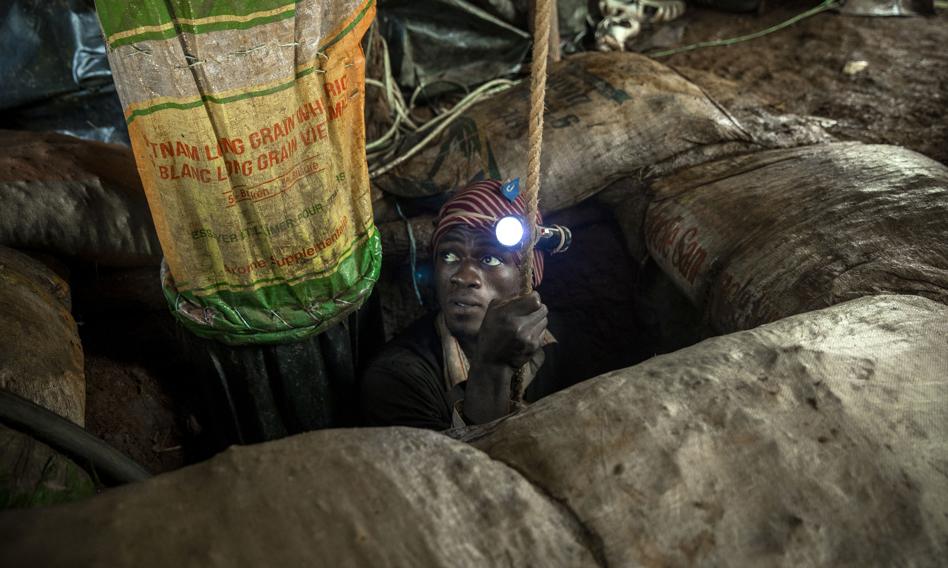
Meanwhile, countries in the Global South may be forced to limit imports, weaken currencies or introduce rationing. In extreme cases, this means the risk of food crises.
Read also: Tension over Iran returns to markets. Wall Street corrects records
Possible political repercussions
Long-term economic turbulence may translate into political destabilization. Waqas recalls that the increase in food prices – including wheat – was one of the factors that contributed to the outbreak of the Arab Spring.
As the economist warns, a repetition of a similar scenario cannot be ruled out. Rising costs of living and deteriorating economic conditions may lead to the erosion of social contracts and increase the risk of social unrest in many regions of the world.