I don't think it surprises anyone that the United States, especially the president, is very disappointed with NATO at the moment
said Marco Rubio.
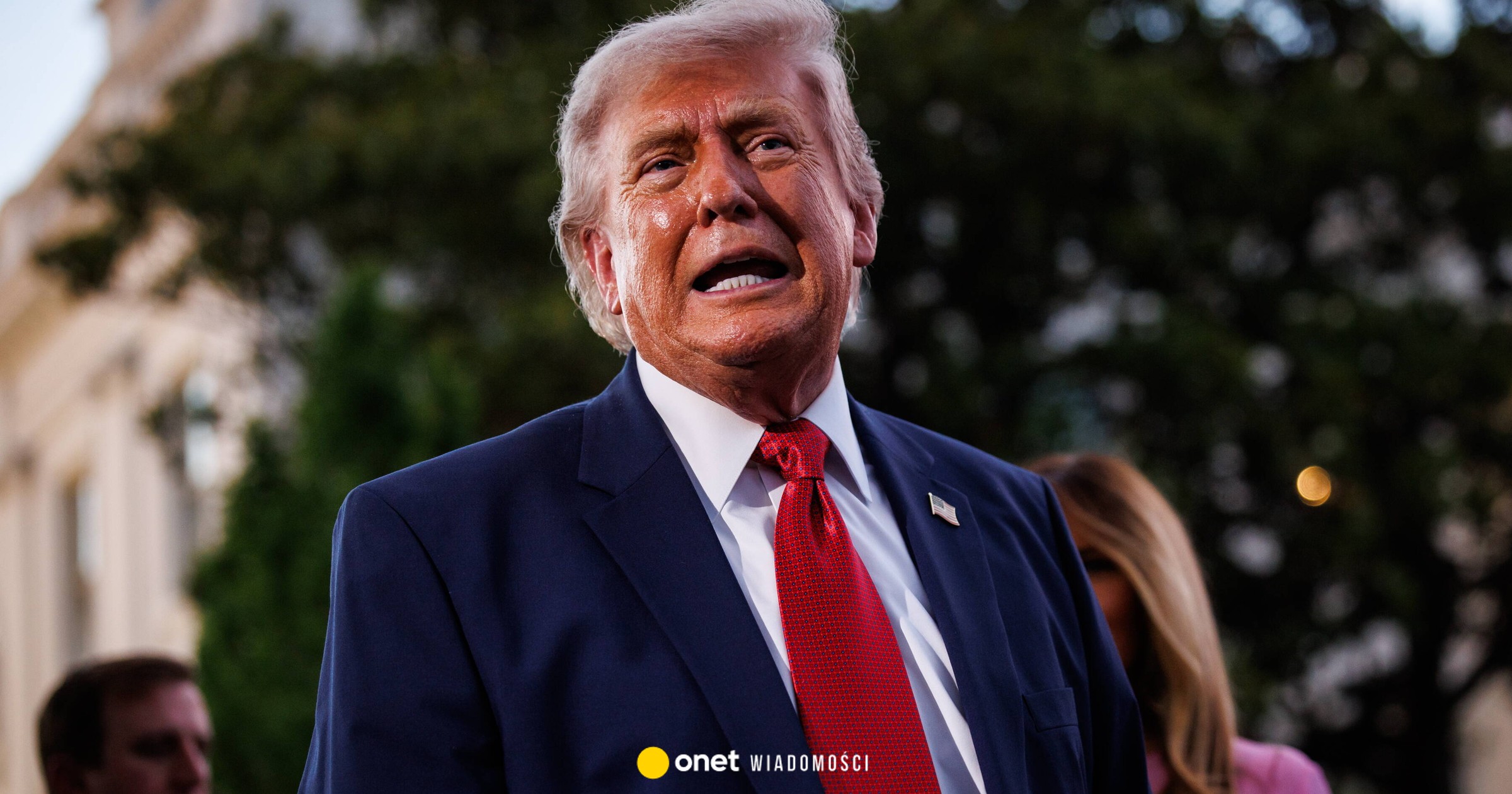
US President Donald Trump rails against NATO. Marco Rubio reveals
Marco Rubio emphasized that throughout his career he has been a supporter of NATO, which he considers important. However, he added that the refusal of some member states to use the bases in the context of the war with Iran undermines the value of the North Atlantic Alliance for the US.
The reason NATO is good for America is that it gives us bases in the region to project power in a crisis in the Middle East or elsewhere. When that's the key justification, and then you have countries like Spain that refuse to allow us to use these bases – then why are we in NATO? That's a very fair question
– said the US Secretary of State, adding that other NATO countries were “very helpful”.
When asked whether Donald Trump still considers NATO countries to be “cowards”, Marco Rubio repeated that he is very disappointed with the alliance. He added that when the US took action to prevent Iran from acquiring nuclear weapons, “everyone hid.” He also admitted that the president had not asked allies to send troops or fighter jets, but “they refuse to do anything.”
The US criticizes NATO. They want to limit their contribution
Marco Rubio's statements were made at a time of growing tension in transatlantic relations. According to Reuters, which cites three anonymous sources, the Pentagon has decided to “significantly limit” the American contribution to the NATO Force Model. This is a secret system for assigning allied forces in the event of a crisis or war in Europe. Representatives of the ministry are to present a decision on this issue on Friday at a meeting on NATO defense policy in Brussels.
According to Bloomberg, informal talks are underway within NATO about the possible deployment of allied forces in the Strait of Hormuz to escort merchant ships if the route is not opened by early July. The proposal has the support of several member states but has not yet achieved the required unanimity. NATO Secretary General Mark Rutte confirmed on Wednesday that the talks were informal, adding that “the situation is dynamic.” So far, member states have taken the position that involvement in the Strait of Hormuz is possible only after the end of military operations.