Putin goes to Beijing, seeking assurances that China has not moved closer to Washington after Trump's visit

The Kremlin has signaled it expects tangible results, including a “serious” deal on oil and gas. Moscow is also looking for assurances that China did not approach Washington after Trump's visit, writes CNBC.
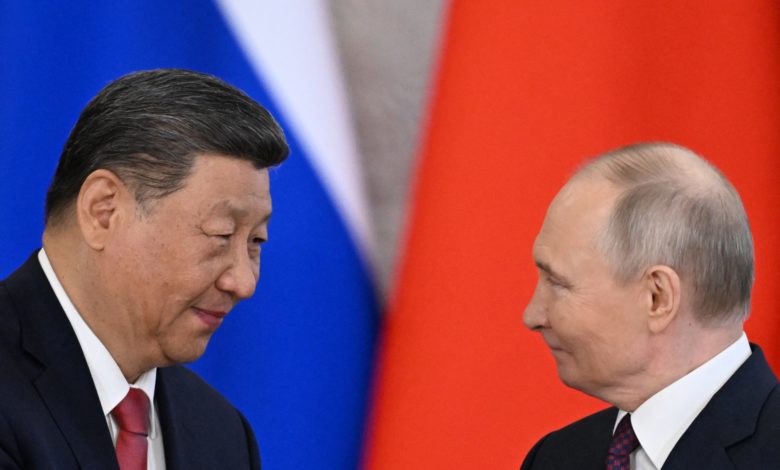
Russian President Vladimir Putin is due to arrive in Beijing on Tuesday for a two-day summit with Chinese President Xi Jinping, visiting an ally who barely had time to shake off the ceremonial attire prepared for US President Donald Trump just days before.
The summit, scheduled for May 19-20, marks the second meeting of Chinese and Russian leaders in the past year, as Beijing tries to manage relations with Washington and Moscow while positioning itself as a global power. Russia's invasion of Ukraine in 2022 left Moscow virtually isolated and highly dependent on Beijing for trade.
“We have very serious expectations from this visit,” Kremlin spokesman Dmitry Peskov told reporters on Monday, describing the agenda as one that promotes the “privileged and strategic partnership” between the two countries.
The US has long pressed Beijing to reduce economic support for Moscow, which Western officials say helps prop up Russia's military capability. NATO has labeled China a “facilitator” of the war in Ukraine.
“Strategic Triangle”
China has “strong leverage” for this summit as its support has become increasingly important to Putin amid growing economic pressure from Russia and military setbacks in Ukraine, said Andrius Tursa, adviser for Central and Eastern Europe at consultancy Teneo.
Moscow cut its growth forecast for this year to 0.4 percent from 1.3 percent as its economy grapples with attacks on oil infrastructure and export terminals that support war financing.
Putin will seek assurances that any improvement in China's relations with Washington will not alter the “strategic triangle” that keeps China and Russia closer than either is to the US, said Dennis Wilder, a former US intelligence official and professor at Georgetown University.
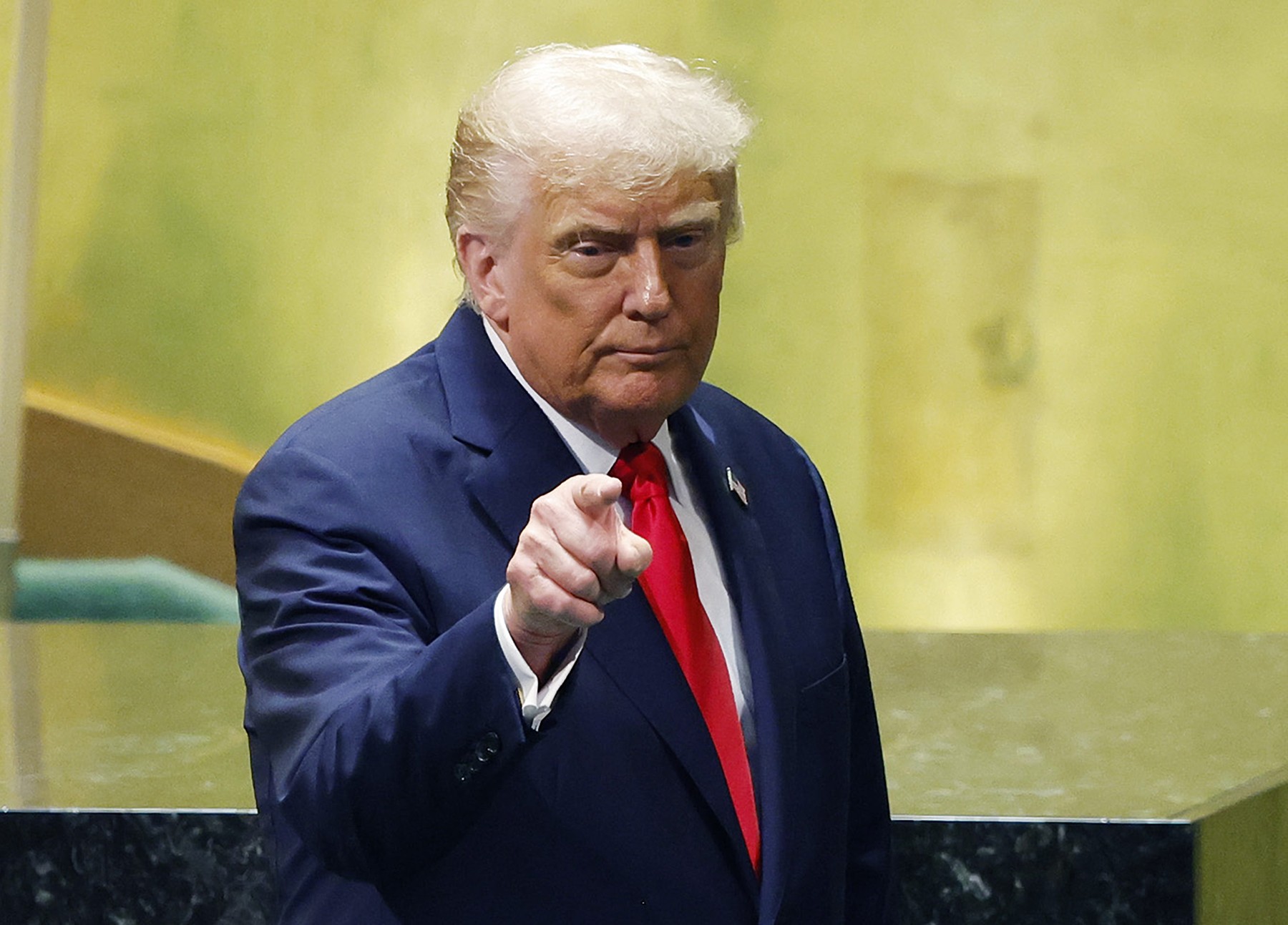
Trump's visit last week included a lavish state banquet and brought several deliverables, including $17 billion in annual agricultural purchases through 2028, an order for 200 Boeing jets and a meeting with the Chinese leader in Washington in September.
Putin's visit, on the other hand, is expected to be more hands-on, as part of routine relations between the two countries, Tursa said. But the size and composition of the Russian delegation suggests that Putin hopes to expand bilateral cooperation in several areas, he added.
Chinese state media have embraced the prospect of back-to-back visits regardless. The Global Times described the sequence as evidence that Beijing is “fast establishing itself as a focal point of global diplomacy”, noting that hosting the leaders of both the US and Russia within a week was “extremely rare in the post-Cold War era”.
“If there is significant Chinese aid to Russia, the US will raise this issue,” Kurt Tong, managing partner at The Asia Group, told CNBC's The China Connection. Monday
Energy agreement
Energy is expected to dominate the agenda. China has become Moscow's biggest buyer of oil and gas, buying at substantial discounts, while demand in Europe has fallen to its lowest level since the mid-1970s.
With the closure of the Strait of Hormuz, Beijing has a new incentive to block Russian energy supplies, while Moscow needs revenue to prop up its economy.
Putin signaled last week that Russia was close to a “serious” deal with China on gas and oil. “We are at a very advanced stage of agreement on making a serious, very substantial step forward in the gas and oil sector,” Putin said during a press conference, adding that “if it turns out to be possible to complete them and put the finishing touches on them during the visit (to China), I will be very pleased.”
Analysts expect Chinese investment in Russia's state sector to also be considered. Bilateral trade has grown to record levels since 2022, with China absorbing more than a quarter of Russia's exports.