“You are the worst parent in the world!” Why kids end up saying this and how you should react

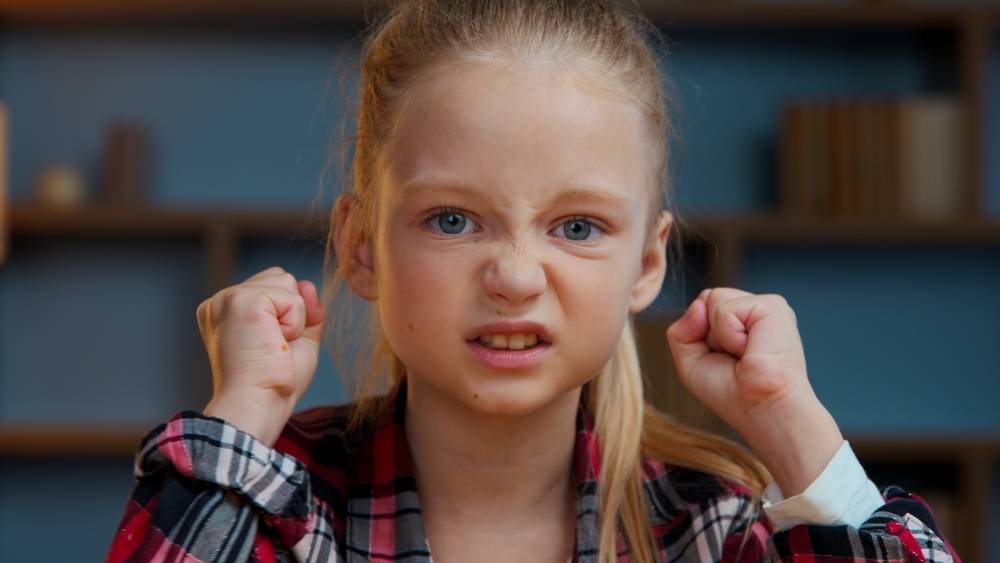
Few lines manage to hit a parent as hard as, “You're the worst parent in the world!”. Sometimes you hear it after you tell your child that they are off the phone, sometimes after you refuse a toy, an outing with friends, or another 30 minutes on TikTok. Even if, rationally, you know that his words are said on your nerves, emotionally it is hard to ignore them. You may feel hurt, angry, guilty, or question your parenthood. And yet, say specialists in the emotional development of children, these lines do not reflect what the child really feels towards the parent.
Clinical psychologist Mélodie Cohen-Etave explains, in a material published by parents.fr, that these reactions must be understood in the context of the child's emotional development and not interpreted literally. Behind them are, in fact, intense emotions that the child still does not know how to manage: frustration, anger, helplessness, disappointment or the need for autonomy. How you react in those moments can make the difference between a conflict that escalates and one that becomes an emotional learning opportunity.
Why do children say such harsh things when they are angry
In children, emotions appear quickly and intensely, and the ability to regulate them develops slowly over time. A young child doesn't yet have the tools to calmly say, “I'm really frustrated that you won't let me do this.” Instead, he reacts impulsively, just as the emotion overwhelms him.
According to the psychologist Mélodie Cohen-Etave, the young child has great difficulties in tolerating frustration. In the first years of life, many of his needs are met immediately: he is hungry and gets food, cries and is held, asks for help and gets it quickly. Gradually, he begins to discover that there are also limits, rules and situations where the answer is “no”, and this transition is not at all simple. Therefore, when you refuse him, the child may have a genuine feeling, at that moment, that he is deeply wronged. And then he attacks, but not because he really thinks you are the “worst parent”, but because his emotion is so great that he can no longer see the nuances.
Read the rest of the article HERE.