“They won't be able to stand on their own.” The appeal of the anthropologist who contacted the isolated tribe that killed a Christian missionary

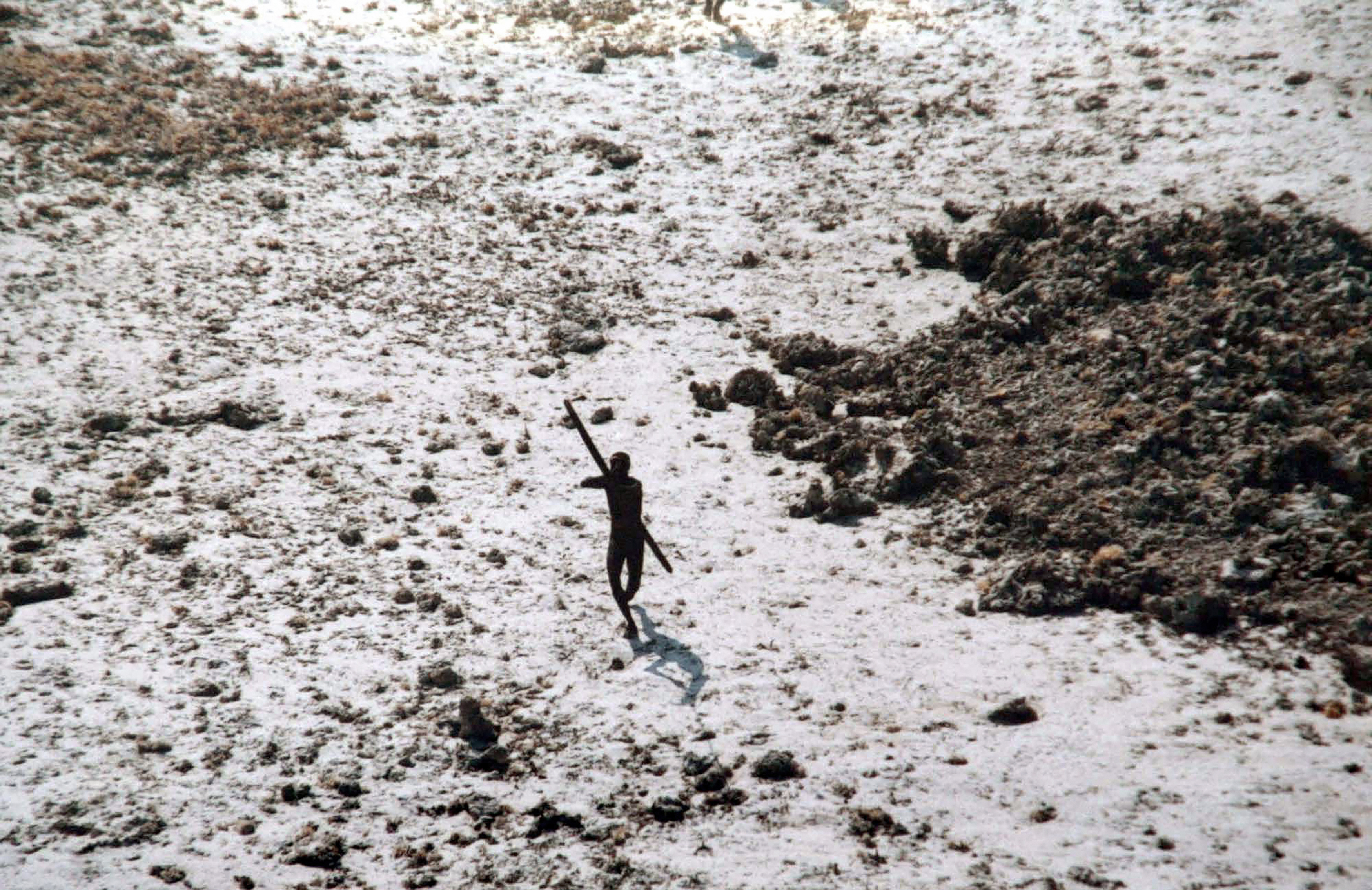
On the remote Indian island of North Sentinel lives one of the most isolated tribes on the planet. More than twenty years after his last meeting with these indigenous people, the anthropologist Anstice Justin believes that it is urgent to re-establish contact with them in order to better protect them, reports France Presse.
Very little is known about the handful of indigenous people who settled on the small island of the Andaman and Nicobar archipelago in the Indian Ocean.
These “Sentinels” made world headlines in 2018 after they shot dead with their arrows an American missionary, John Allen Chau, who had set foot in their sanctuary despite the authority's ban.
We don't even know how the “sentinels” identify themselves
At 71, Anstice Justin is one of the last to approach the tribe during the so-called “contact” missions authorized by New Delhi between 1986 and 2004.
These meetings allowed the collection of the only details known to date about the lives of these 50-150 individuals.
“We don't even know how they identify themselves,” the scientist explained in an interview with AFP at his home in Sri Vijaya Puram, the capital of the Andaman and Nicobar Islands, adding that “the term 'sentinel' comes from the name of their island.”

Although he welcomes the determination of the Indian authorities to respect the strict isolation of this “forbidden” tribe, Anstice Justin believes that this is no longer sustainable.
“We cannot continue to keep them isolated at a time when people are competing to be the first to land on the island. An organized contact seems to me the only possibility to help them (…) and protect them from people who would disturb them,” he said.
An influencer went and left a juice box on the beach
The problem is that since the case of the murdered missionary, curiosity about the North Sentinel and its inhabitants has remained alive.
In recent years, Indian police have arrested several people trying to approach the island. In February, two more fishermen were intercepted again.
In April 2025, an American influencer, Mykhailo Viktorovych Polyakov, even managed to infiltrate the island, as he posted a video on social media and left a coconut and a soda can on the beach.
To the policemen who arrested him upon his return, the young man explained his gesture by… his desire to become a star on YouTube. After twenty-five days in prison and a fine of 15,000 rupees (€150), he was deported to the United States.
“You'd have to be crazy to think they can live in complete isolation”
The archipelago's police chief, HGS Dhaliwal, is preparing since this incident to face new invaders looking for publicity: “The fashion and resonance of challenges launched on social media will attract more and more candidates of this kind.”
With about thirty missions on Nord Sentinel under his belt, Anstice Justin confirms that access there has become much easier than during his first expedition in 1986.
Only two hours by boat separates the tribe from the main island of the archipelago. “You'd have to be crazy to think that these indigenous people can live completely isolated from the rest of the world,” the anthropologist explained.
All the more so since India has just started a giant development project that envisages the construction of a port, an airport and housing on the island of Grande Nicobar, and which, in the long term, will radically change the life and environment of the entire archipelago.
These works will boost the local economy and tourism, while threatening the isolation of indigenous tribes like the North Sentinel.
“This community has survived for millennia, but it won't last long under current conditions,” Anstice Justin points out.
How the first meeting with the tribe went
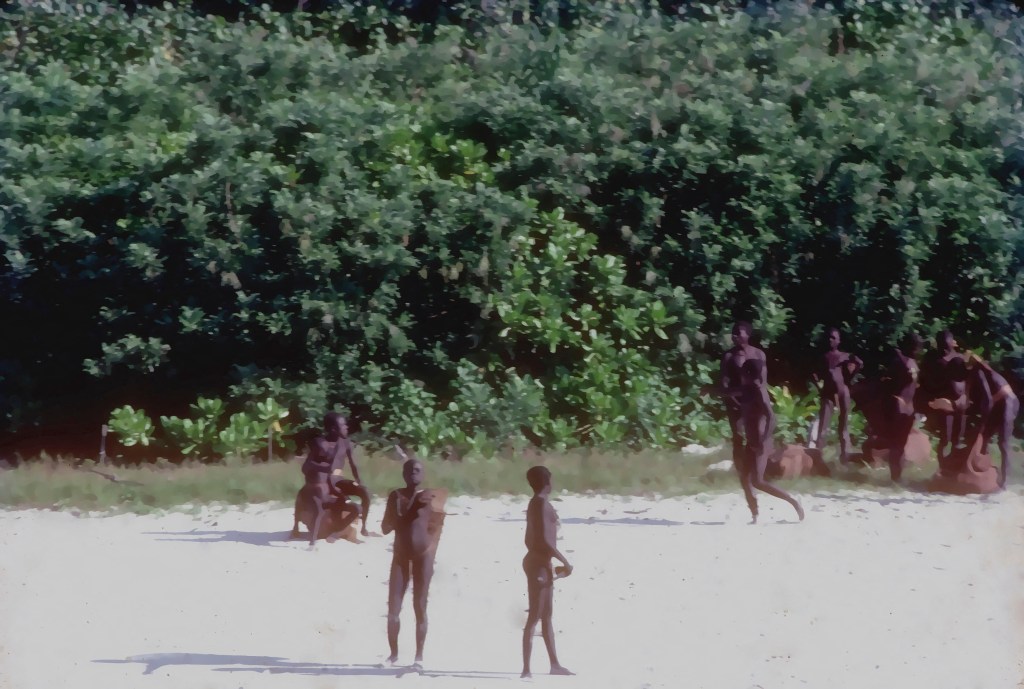
The anthropologist still remembers the luxury of precautions that accompanied his first encounter with the inhabitants of Nort Sentinel.
A few minutes after docking as close as possible to a forest where smoke was rising, he reports that some natives came out of the jungle.
“I explained with gestures that we were offering them coconuts. They asked us to put them aside (…) and we returned to the boat. Then they took our gifts (…) I felt no hostility, no ferocity,” he describes.
It took several visits for the locals to tolerate his presence. Therefore, now the scientist fears the devastating impact of an uninvited contact.
“Isolated populations will not be able to survive long term in today's world,” insists Anstice Justin.
And he pleads, therefore, for a new contact: “Unlike the intruders (…) we never imposed ourselves on them”, he says.
“We have to protect these rules (…) Because, whatever happens to them, they will not be able to stand alone,” the anthropologist also said