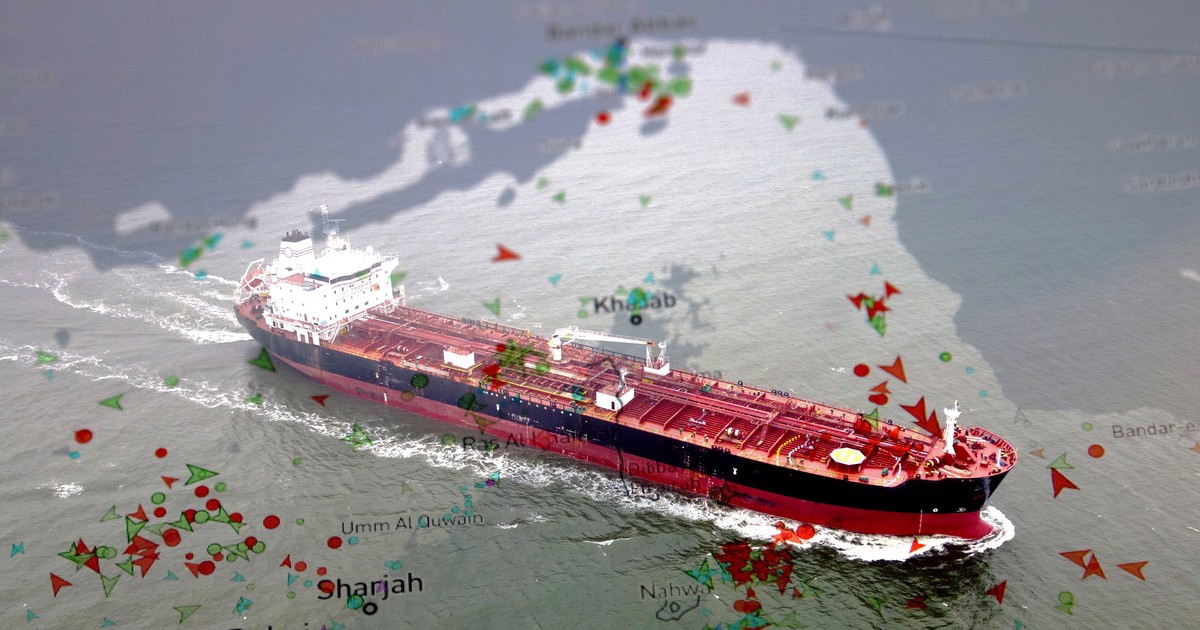
According to CNN, the Iranian parliament last week discussed a proposal to introduce licensing fees for undersea cable operators. Ebrahim Zolfaghari, spokesman for the Islamic Revolutionary Guard Corps, announced on the X platform that such fees would be introduced. Corps-affiliated media reported that companies such as Google, Microsoft, Meta and Amazon will have to comply with Iranian regulations, and only Iranian personnel would have the exclusive right to repair and maintain cables.
CNN highlighted that some of the companies mentioned have invested in cable infrastructure in the Strait of Hormuz and the Persian Gulf, but it is unclear whether all of these cables run through Iranian territorial waters. Additionally, due to US sanctions, these companies cannot make payments to Iran, which means that they may treat Tehran's threats as irrelevant.
Rising tensions around the Strait of Hormuz
Media affiliated with the Iranian authorities issued veiled threats, suggesting possible damage to the cables, which could impact trillions of dollars in global data transfers and internet connectivity around the world. Experts quoted by CNN point out that a possible attack on the cable infrastructure could cause major disruptions to internet connections in the region, with effects also felt in India and eastern Africa.
CNN noted that Iran is increasingly showing that it has tools beyond traditional military power. Threats involving undersea cables underscore that the importance of the Strait of Hormuz is not limited to the export of energy resources.
Strategic importance of the Strait of Hormuz
Several key intercontinental submarine cables pass through the Strait of Hormuz. Experts cited by CNN explain that international operators, fearing threats from Iran, intentionally laid most of the cables along the Oman side of the strait. However, two of them pass through Iranian territorial waters, which gives Tehran a potential opportunity to influence their operation.
CNN recalled that Iran has not directly declared its intention to sabotage infrastructure, but has repeatedly announced its intention to punish US allies in the region. Damaging cables may be one way to implement these announcements, especially since the Islamic Revolutionary Guard Corps has trained divers, small submarines and underwater drones.
Consequences for the region and the world
Experts warn that a possible attack on cables could lead to the so-called “digital disaster” on several continents. Iran's neighbors across the Persian Gulf could experience serious internet access problems, which could affect oil and gas exports and the banking sector. The effects of such actions would also be felt outside the Middle East region.
Iran blocked the Strait of Hormuz in response to the US-Israeli attacks that began on February 28. A truce between the United States and Iran has been in force since April 8, but peace talks have stalled. Both sides reject each other's proposals, and the Strait of Hormuz remains one of the main points of contention.