Saudi Arabia under pressure. Riyadh is looking for new partners because Trump has failed

Driving along the west coast of Saudi Arabia from the million-strong city of Jeddah north to Yanbu, he crosses desert landscapes, passes herds of camels and exits to Mecca and Medina. Already many kilometers before Janbu the smell of oil hangs in the airalthough there are no mining installations or oil wells in the area.
Giant oil fields are located mainly in the east of the country, on the Persian Gulf. Saudi Arabia produces over 10 million barrels of oil per day — it is the largest producer of this raw material in the world.
Saudi Arabia's backup port
Already in 1975, by royal decree, a replacement port was built in Yanbu to be prepared in the event of the closure of the Strait of Hormuz, which is strategic for global oil trade. Huge petrochemical plants have been built that can process and ship oil pumped throughout the Arabian Peninsula. The former port serving Medina, located on the famous Incense Way and the place of arrival of pilgrims from Egypt, has gained a new face.
Currently, Saudi Arabia can pump up to 7 million barrels of oil per day through the pipeline to the port of Yanbu. While loading huge tankers, you can watch the ships gradually sink deeper and deeper, with the red line on the hull disappearing under the water.
Such a “supertanker” holds approximately 2 million barrels of oil. When only the gray color remains on the hull, it soon goes out to sea. Ships then head through the Red Sea and the Suez Canal to the Mediterranean Sea and the Atlantic to European destination ports, or south through the Red Sea towards Asia.
“What was happening was predictable”
“We knew exactly what was going to happen,” says an employee of an influential think tank in Riyadh, who does not want to be named. The Iranians clearly announced what they would do in the event of an attack: They will attack American allies and installations and block the Strait of Hormuz. – So what was happening was predictable.
There are several major think tanks in Saudi Arabia advising the royal family, such as the Gulf Research Center in Jeddah and the King Faisal Center in Riyadh. Their members and scientists currently think a lot but do not speak publicly.
Yanbu, a port in Saudi Arabia. Illustrative photoOle Dor / Shutterstock
The royal family also refrains from comments and reactions. Riyadh focuses on diplomacy and negotiationsaccording to sources from the royal palace, and does not want to get involved in the war. — The Americans are withdrawing, and we have to live with Iran as a neighbor, describes the approach of an insider from the court.
Meanwhile The Americans did not inform the Saudis about their plan to attack Iran in late February, although Gulf states and other Arab countries tried for weeks to dissuade Trump from doing so. In Riyadh, they are very good at distinguishing cause from effect.
That is why the news from the British Reuters agency dropped like a bomb on Wednesday that Saudi Arabia at the end of March, exactly during Trump's media attacks on the prince, carried out secret airstrikes on Iran in retaliation for Iranian attacks on American military bases, embassies and consulates, and oil installations in the country.
The New York Times also reported that Saudi air forces conducted direct attacks on Iran for the first time. According to the Wall Street Journal, the United Arab Emirates also attacked Iran independently. However, none of these reports provide detailed data or goals.
The Chinese once played the role of mediators between the two sides, ending a 7-year period of cold relations. In March 2023, it was agreed to resume diplomatic relations. Now people are talking about “Beijing 2.0”. There is some respect in Riyadh for Iran's policy towards Israel and the US: — Iran has stronger cards in its hand.
New arrangements in the Middle East
In September, Riyadh and Islamabad signed a mutual assistance pact that includes security cooperation. So far, the US has guaranteed Saudi Arabia's security.
Washington's failure to respond to the increasing attacks by Yemen's Houthi rebels on Saudi oil installations has apparently prompted a change in thinking. Now Pakistan, which has nuclear weapons, is ready to protect Saudi Arabia and has already deployed its first soldiers and fighter jets there. If one country is attacked, the other will come to its aid – this is the agreement.
Trump has failed the Arabs
Returning to Janbu: this is the house where Thomas Edward Lawrence, known as the legendary Lawrence of Arabia, lived 110 years ago. A British officer, intelligence agent and archaeologist convinced Arab tribes to join the British in World War I to destroy the Ottoman Empire.
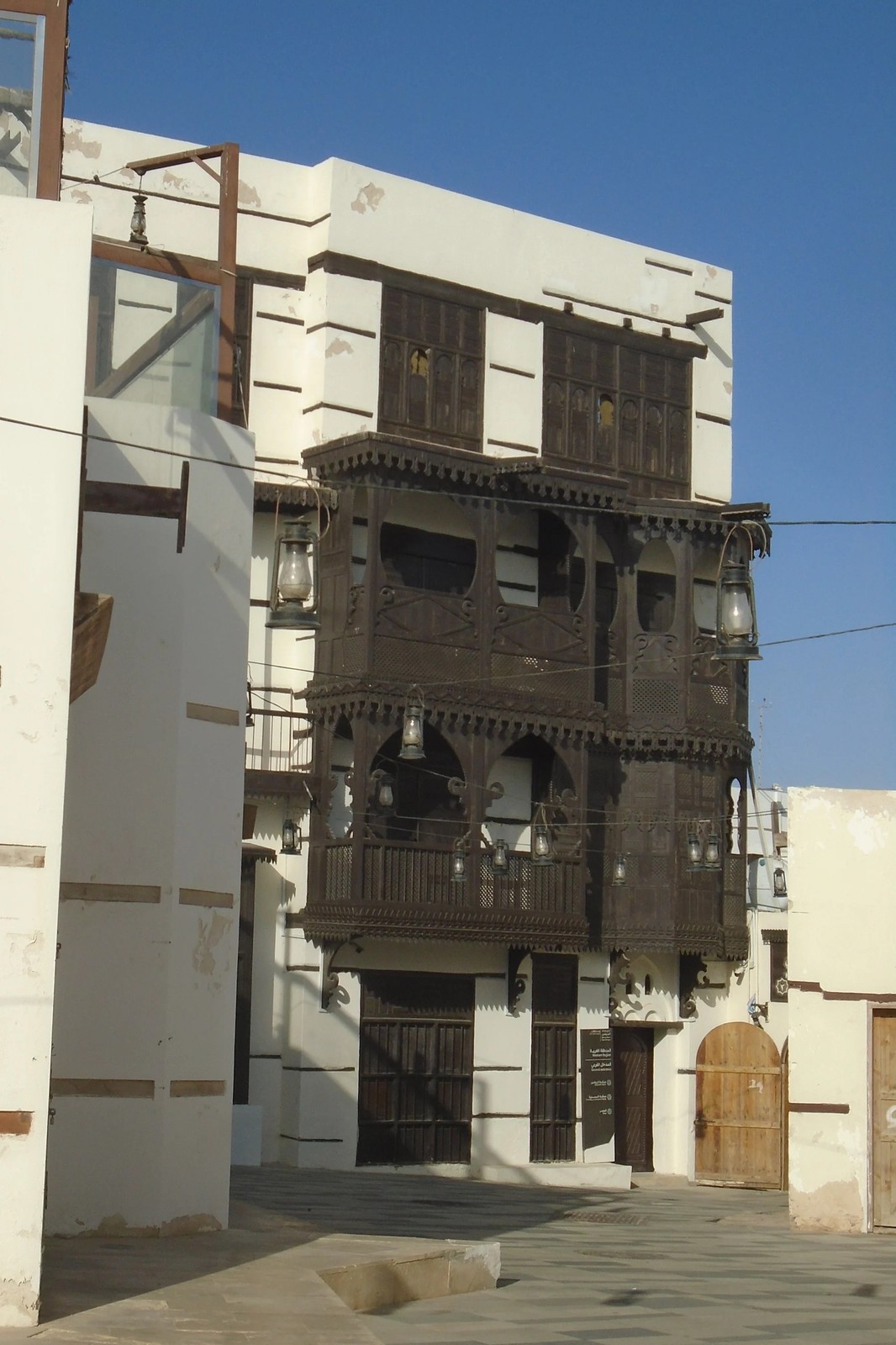
The house of Lawrence of Arabia in YanbuDie Welt
In return, the Arabs were promised the creation of a united Arab state. Lawrence assured that the British had no colonial ambitions in the region.
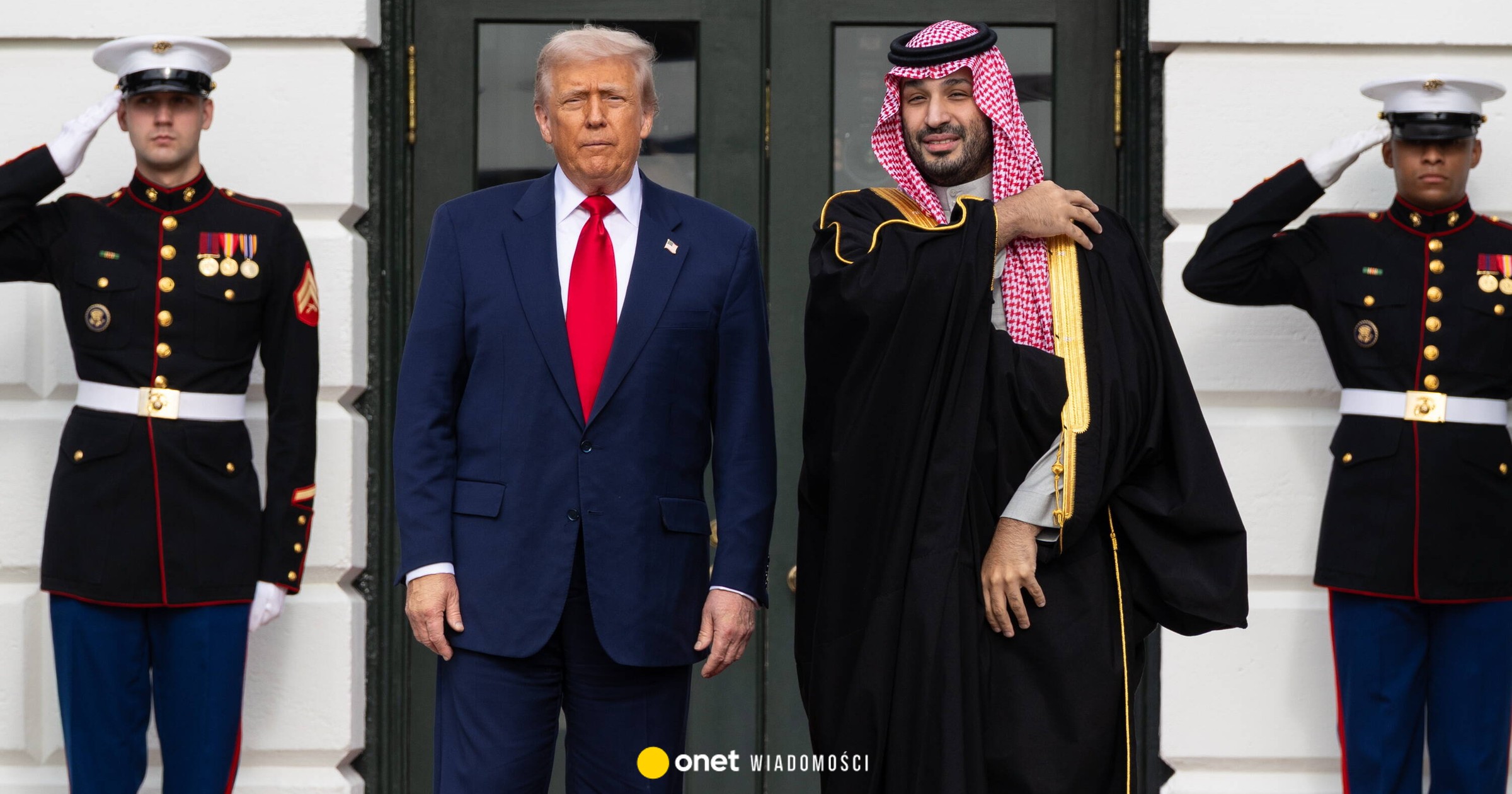
Donald Trump initially had a good chance of becoming a new hero of the Arab world as an advocate of pragmatic rapprochement with Israel. His saber dance in Riyadh in May 2017 was famous. However, the war with Iran ended these successes. The only common denominator between Trump and Lawrence of Arabia is the bitter disappointment of the Saudis.