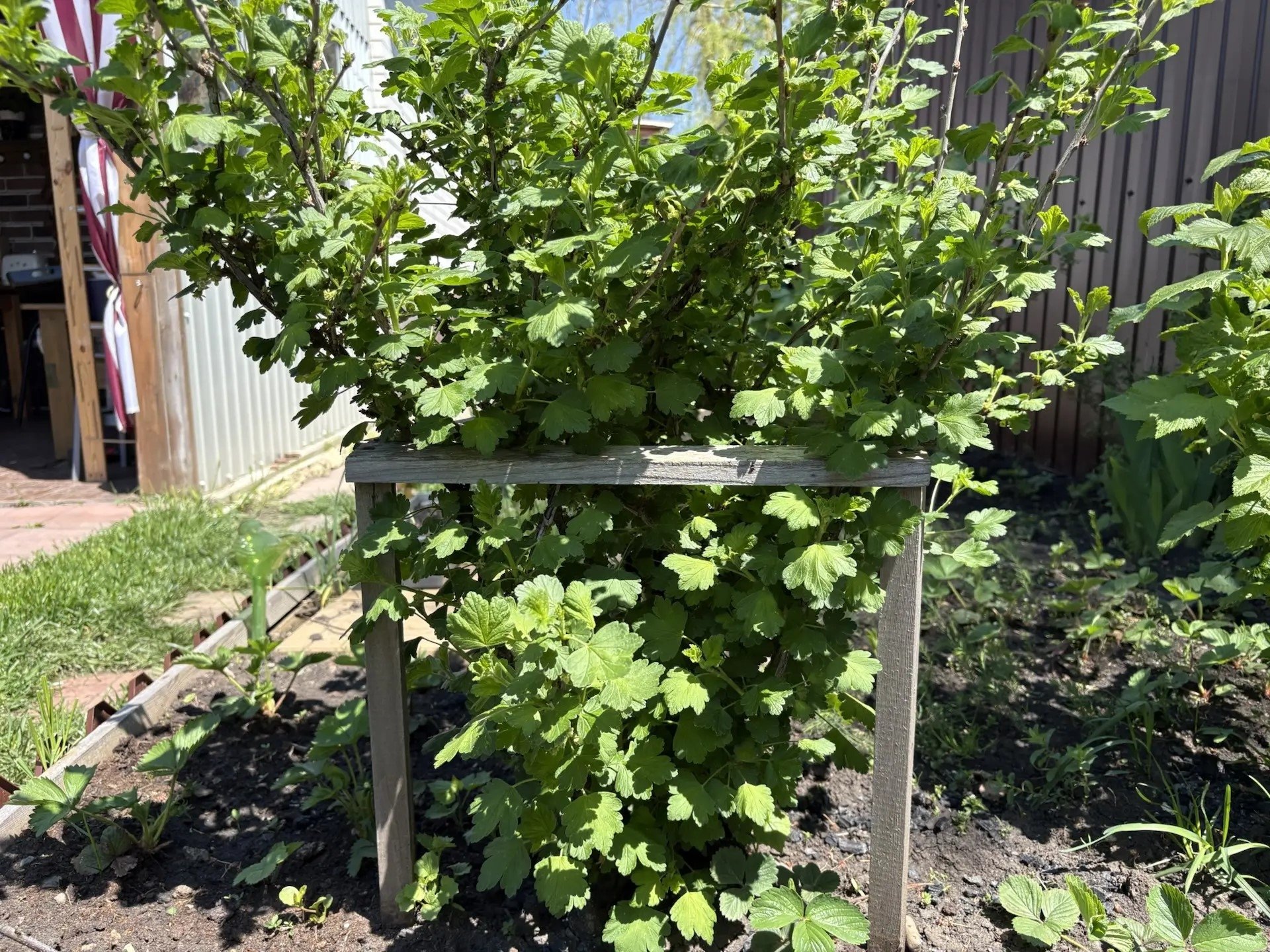
When it gets warm, various pests become active in the garden. One of the most unpleasant things for berry bushes is aphids. It seriously harms the plant, so there is no point in delaying treatment. Victoria Radzevskaya, a professional gardening expert with many years of experience, reported this on her blog (12+).
Aphids suck the juice from the leaves. It is easy to notice: the upper leaves on the shoots begin to curl. It is inside these twisted lumps that the pest hides. Not only the leaves suffer, but also the young branches.
Fresh growth stops growing and developing. As a result, the bush is formed incorrectly, and this affects the harvest not only in the current season, but also in future ones.
“Aphids mainly appear on currants because of ants. It is the ants that carry this pest. Therefore, it is important to protect the bushes not only from aphids, but first of all from ants. Therefore, during processing, we spray the soil around the bushes,” shares Victoria.
How to treat currants against aphids
It is better to start processing after flowering, when the berries are already beginning to fill. The recipe is simple: take 40 ml of ammonia for 10 liters of water and add one tablespoon of laundry soap. Soap is needed to help the solution stick better to leaves and branches.
The resulting mixture is sprayed onto the bushes and the soil underneath them. Ammonia affects the nervous system of the aphid, and the insect dies. And the soap film prevents the remaining pests from feeding on the juice – they also do not survive.
To completely remove all insects, the treatment is repeated after 7–10 days. By the way, this procedure is even useful for the plants themselves: through the leaves they absorb nitrogen from the ammonia solution.
What else helps in the fight against aphids?
Experienced gardeners recommend sprinkling wood ash around the bushes. The ants do not like it and do not lay their paths and passages nearby.
Another important tip: it is better to pinch the tops of the shoots, where the leaves are most curled. After this, the bush is processed. Soon the shoot resumes growth and goes up as it should.
Previously, we reported what else you can use to treat currant bushes so that you have enough to make jam and eat.