According to three Defense Department officials familiar with the matter, it is unclear why Hegseth issued this order. President Donald Trump has repeatedly expressed anger and frustration at European allies for their lack of aid in the war with Iran, although Trump has called Poland an “exemplary ally” because of its high defense spending.
The decision was particularly surprising due to the fact thattroops and equipment have already started arriving in the country. It sparked a new wave of anxiety in European capitals and the Pentagon on Thursday, with many wondering whether such moves could embolden Russia — and which ally might become the next target.
“We had no idea something like this would happen,” one U.S. official said, adding European and American officials have spent the last 24 hours talking on the phone, trying to understand the decision and find out if there are any more surprises in store.
Behind the scenes of the US administration's decision
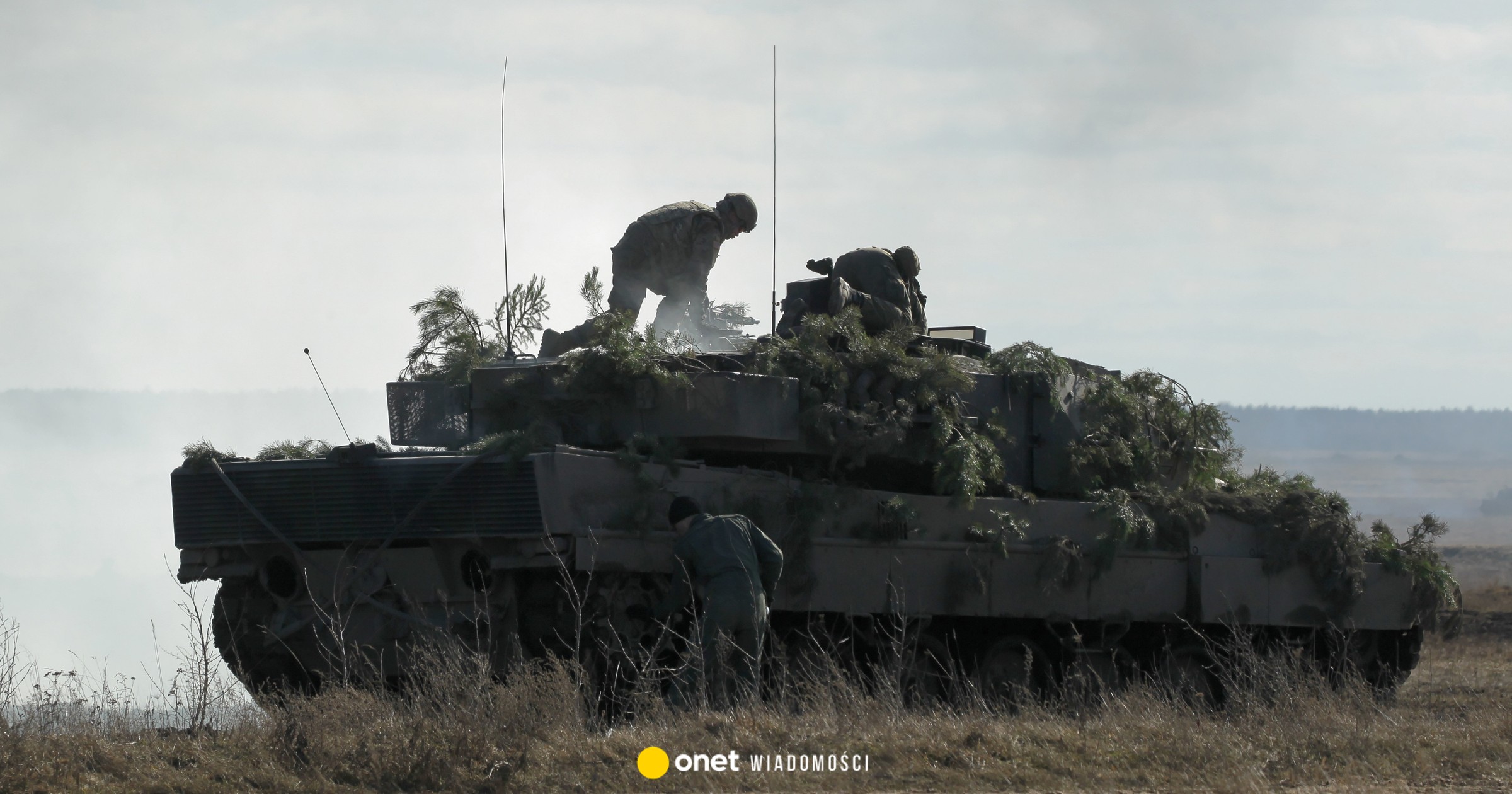
4 thousand soldiers stationed in Texas were preparing for a long-planned, nine-month trip to Poland, including training with NATO allies, when the order came to stop the mission. Its cancellation is particularly surprising given the fact that US troops stationed on the continent constitute a key deterrent for Russia. Trump has insisted that Europe will have to fend for itself — even as he has sharply criticized allies' opposition to conflict with Iran — and this latest order suggests that the president is serious about limiting the American presence on the continent.
The military's role in Europe “is to deter the Russians, protect America's strategic interests and keep our allies safe,” said Lt. Gen. Ben Hodges, former commander of U.S. Army Europe. “And now “a very important element that was supposed to be part of that deterrence has disappeared.”
The broader strategy remains unclear. The withdrawal of German troops is still in the planning stages, according to two U.S. officials familiar with the matter. Although the reduction would be relatively small, considering that 38,000 are stationed in Germany. American soldiers, anyway sends a signal to European allies that they may pay a price for publicly opposing the White House.
“Poles have certainly never criticized President Trump and are doing everything good allies should do,” Hodges said. “And yet it's happening,” he added.
The Pentagon does not want to comment on the matter, and the White House did not respond to requests for comment.
This is how Poland reacted to reports from the USA
According to POLITICO, Polish officials used social media to defend the decision or express their dissatisfaction with its impact on the Alliance. Some hoped that the army would replace this rotating troop presence with a permanent one already deployed in Europe. Others tried to downplay the potential effects.
“This matter does not concern Poland,” wrote Deputy Prime Minister Władysław Kosiniak-Kamysz in a post on social media. “It is related to the previously announced change in the presence of part of the US armed forces in Europe,” he added, referring to ongoing US actions aimed at reassessing the presence of US troops on the continent.
The Pentagon recently conducted a an overview of the presence of US troops around the world, although it is not expected that the results of this analysis will be made public. Representatives of the American authorities indicated that the study does not foresee a significant withdrawal of troops from Europe. However, another key document released this year, the US National Defense Strategy, commits to committing more military forces elsewhere and leaving Europe's security in the hands of European countries.
Europe can be left to its own devices
“This is a serious challenge to Europe's security and… a destructive way of shifting responsibility onto Europeans” – said Joel Linnainmaki, a former Finnish official.
Some alliance members tried to downplay the effects of the absence of the American brigade in Poland. A senior NATO official said rotational forces are not included in the alliance's long-term plans to build a troop presence on the continent to deter Russia.
“We know that the United States is working to change its attitude in Europe.” said the official. “We already see the growing presence of Canada and Germany on the eastern flank, which contributes to strengthening NATO.”
The official said that France and Germany have a total of 5,000. soldiers on NATO's eastern flank, and this number will increase by the end of next year.