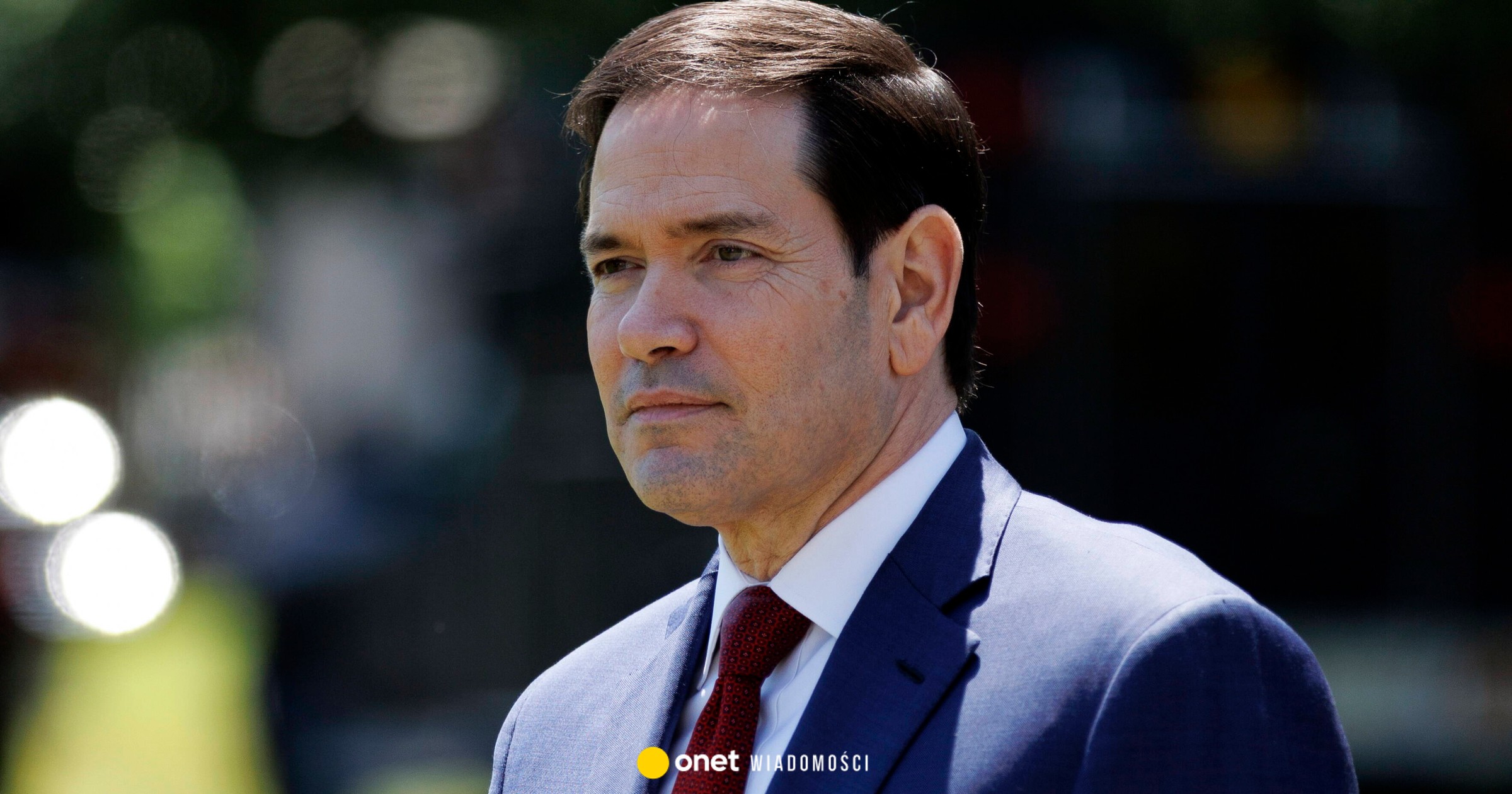
“From our perspective, any forced change to the status quo and the current situation would be bad for both countries,” Rubio said in an interview after Thursday's meeting at the Great Hall of the People.
“That would be a terrible mistake.” US Secretary of State warns China
The head of American diplomacy emphasized the continuity of Washington's position. — Our policy on this matter has not changed. It has been quite consistent over many presidential administrations and remains so, he said.
According to the official statement from the Chinese side Xi warned Trump that tensions over Taiwan could threaten bilateral relations, leading to conflict if the issue is not handled with due caution. The American side, however, did not mention Taiwan at all in its statement, which was noticed by commentators.
Rubio's comments came amid concerns that Trump might make concessions to Xi — for example, changing the current language about “not supporting” the island's independence to “opposing” it, a subtle but important change that Beijing has long sought.
Trump also worried Taiwan's allies with suggestions that he was discussing U.S. arms sales to the island with Xi, which experts said would violate long-standing U.S. policy prohibiting such consultations with Beijing.
Rubio: Xi and Trump have found “common ground” on Iran
Rubio said arms sales to Taiwan “were not a prominent topic” of Thursday's talks. He also noted that in December the Trump administration announced an arms package for Taiwan worth $11 billion. — considered the largest in history — and another, even larger one, is likely on the way. However, this package was held up by Trump before his meeting with Xi due to Chinese pressure.
Rubio said Trump and Xi have found common ground on the Iran issue. According to the Secretary of State, Beijing has confirmed its opposition to Tehran's development of nuclear weapons. “The Chinese side has said that it does not support the militarization of the Strait of Hormuz and does not support a transit fee system – and this is also our position,” Rubio said.
At the same time, the head of US diplomacy noted that Washington is not asking Beijing for help with Iran. — We are not asking China for help. We don't need their help, he said.
Even before leaving for Beijing, Trump himself suggested that he understood Beijing's position in the Lai case because he was causing “trouble” and in a similar situation he would not like to release, for example, former FBI director James Comey, who is currently being prosecuted by the prosecutor's office for alleged threats against Trump in the form of an Instagram post.