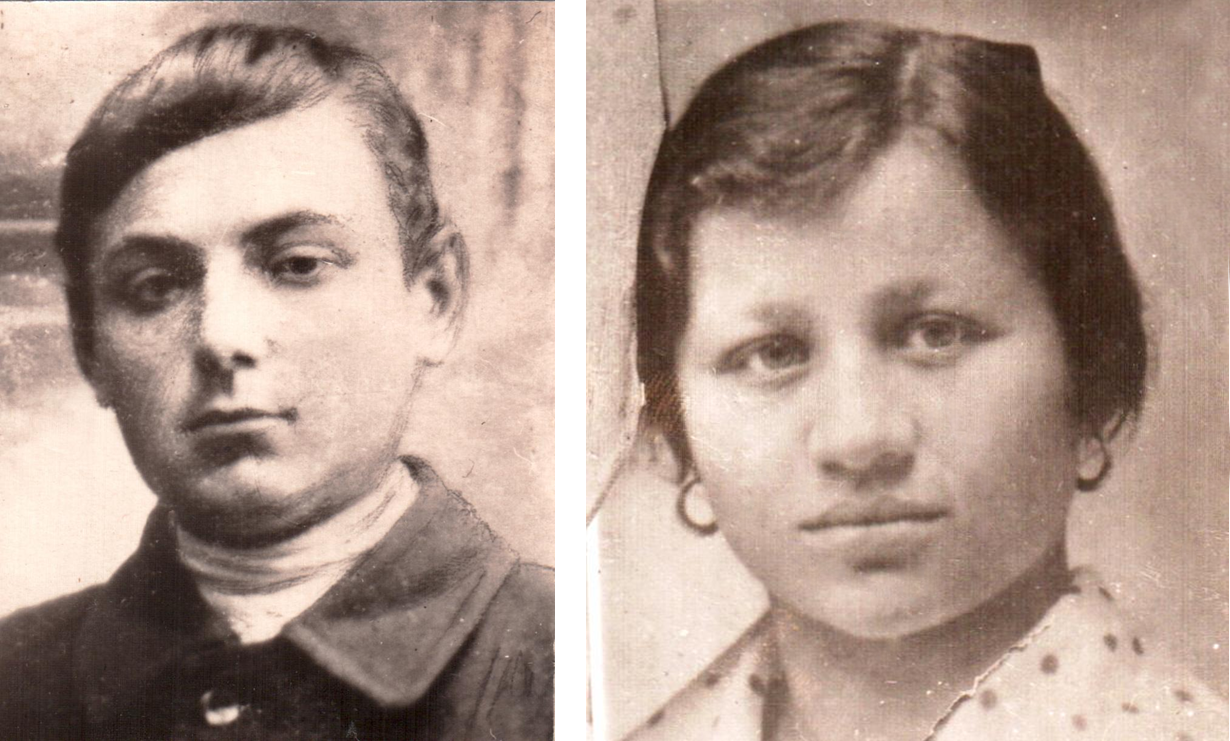
Onishchenko's spouses
Photo: Regional Library
May 13, 1919
In the book by A. Zaitsev “The Immortality of the Names of the Land of Volochaevskaya” (12+) and in the newspaper “Birobidzhaner Stern” (12+) for 2019, there is information that at the Bira station (now Obluchensky district) on May 13, 1919, the Onishchenko spouses brutally and painfully died at the hands of Japanese interventionists.
In 1918, the forces of the Japanese interventionists were gathered at the Bira station, because the village was the largest junction station between Khabarovsk and Arkhara. Nikolai Onishchenko and his wife Shura carried out underground work among the local population.
During the Civil War and foreign intervention, resistance groups were organized in the Obluchensky district. In Bira, Obluchye and Tikhonkaya (now Birobidzhan), underground activities were carried out by Nikolai Trofimovich Onishchenko, an employee of the Dalsovnarkom apparatus. Onishchenko helped collect weapons for the partisans of the Kuldur detachment. Participated in the organization of a partisan detachment in the upper reaches of the river. Sagdy-Bira. Local Mensheviks wrote denunciations against Onishchenko, when the Japanese captured Khabarovsk, then, entering Bira, the first thing they did was arrest the Onishchenko spouses.
On May 13, 1919, in the village of Bira, Nikolai Trofimovich and Alexandra Grigorievna were shot by interventionists.
monument to the Onishchenko spouses. Photo: Photo: State Archive of the Jewish Autonomous Region
In memory of the Onishchenko spouses – victims of the Civil War interventionists in the village. Bira, Obluchensky district, on October 25, 1964, a memorial plaque was installed on the station platform, and later a monument. One of the central streets of the village was named in memory of them.
May 13, 1949
Clippings from the newspaper “Birobidzhan Star”. Photo: Photo: Regional Library
The Bureau of the Regional Party Committee discussed the issue of fulfilling social obligations by the collectives of Birobidzhan enterprises. It was noted that the team of the spinning and weaving factory – the initiator of the pre-May socialist competition – fulfilled the four-month plan for gross output by 140%. The good work of metal products factories, wagon factories and others was noted.
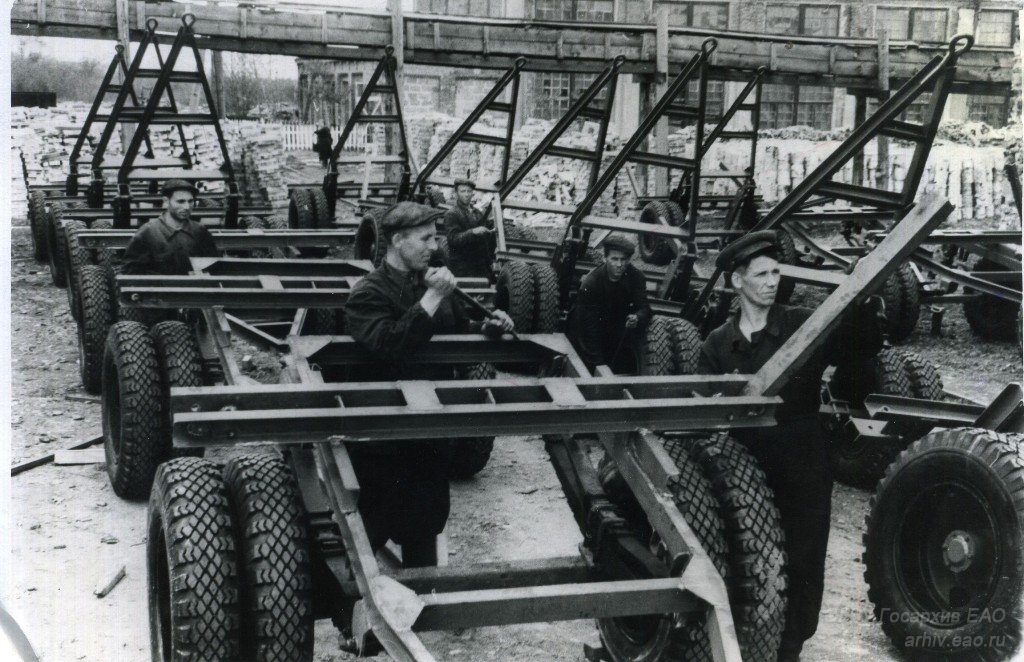
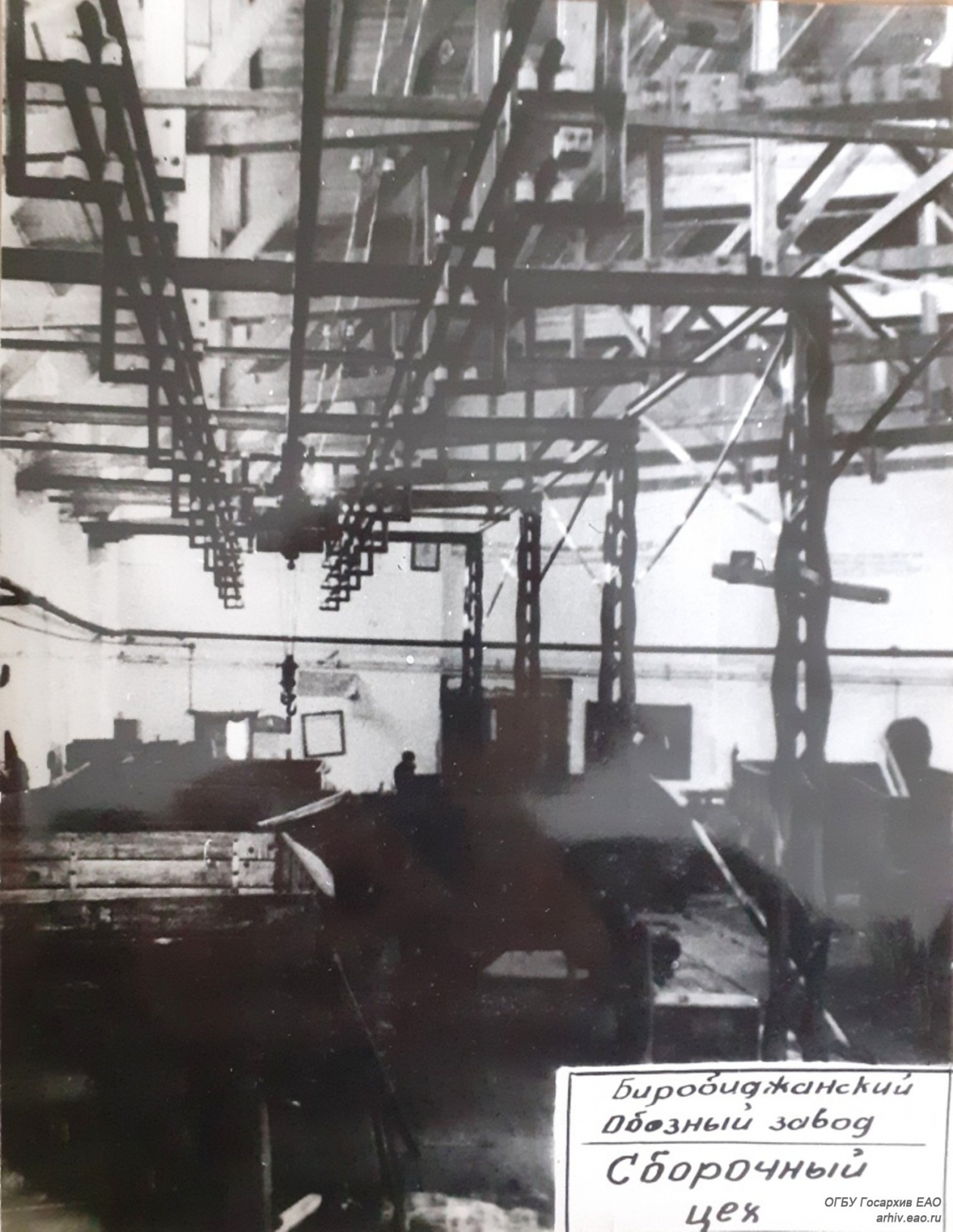
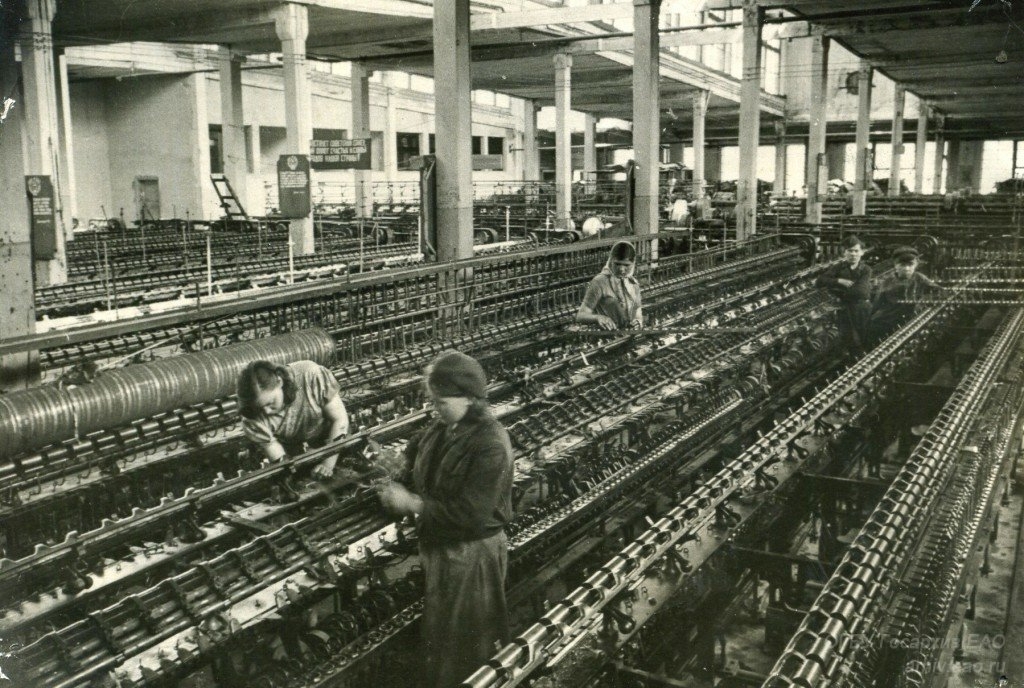
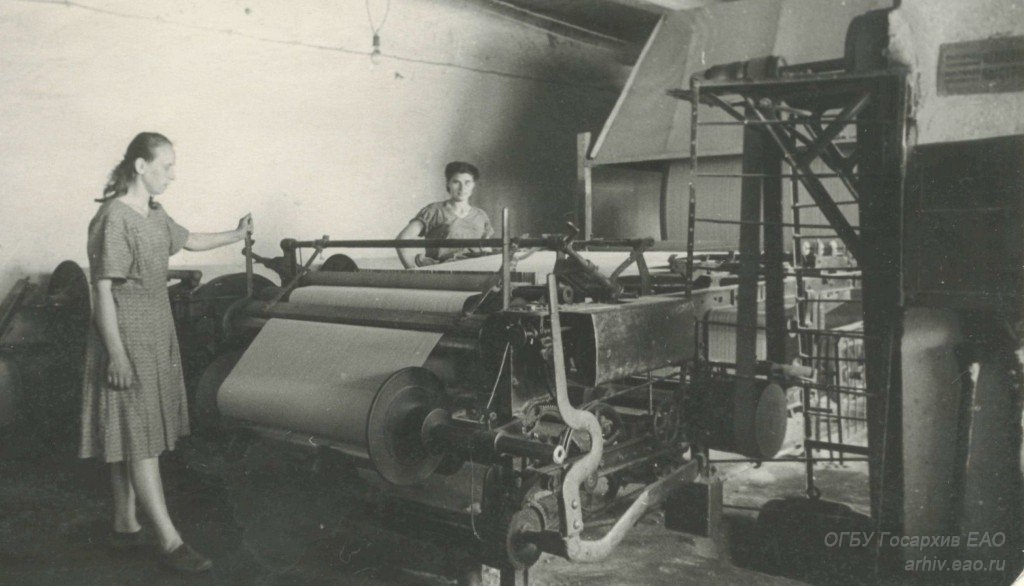
At the meeting of the bureau, activities for the development of physical culture and sports during the summer sports season of 1949 were also considered.
May 13, 1956
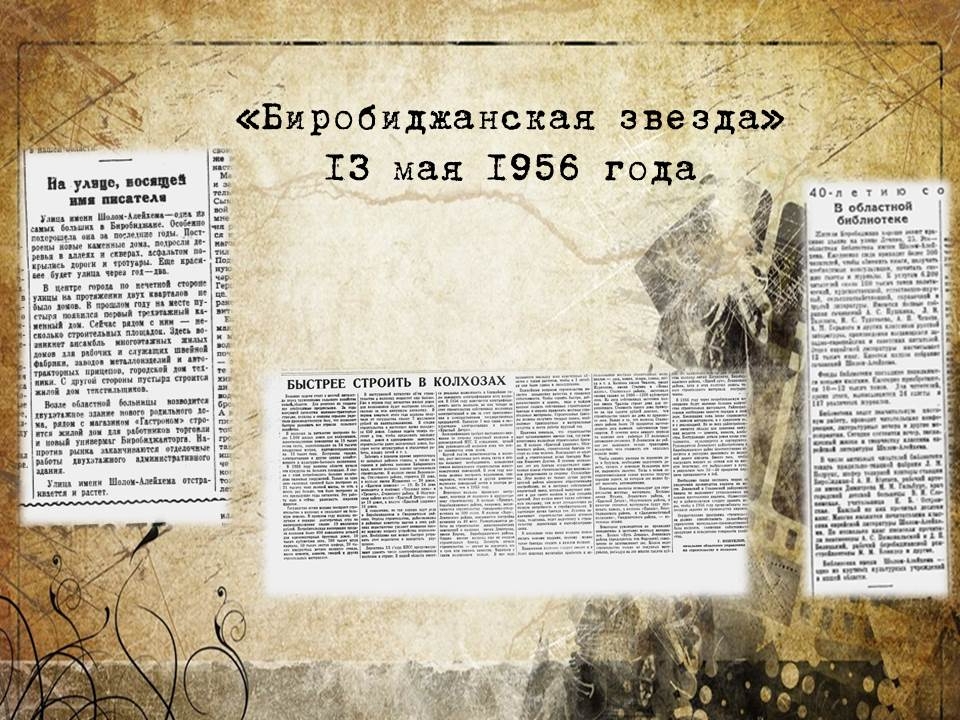
The newspaper “Birobidzhan Star” (12+) on May 13, 1956 told readers how the main street of Birobidzhan, Sholom Aleichem, was getting prettier every year. New stone houses were built, roads and sidewalks were covered with asphalt.
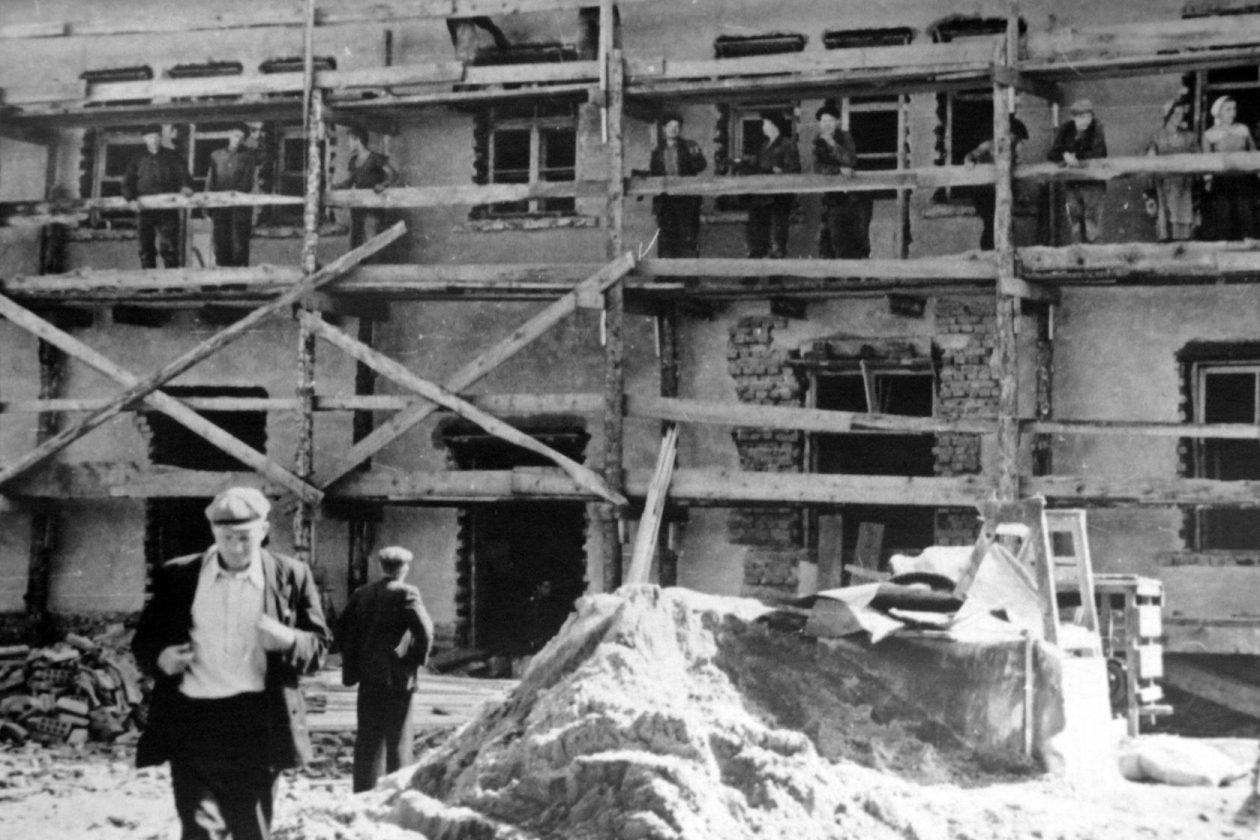
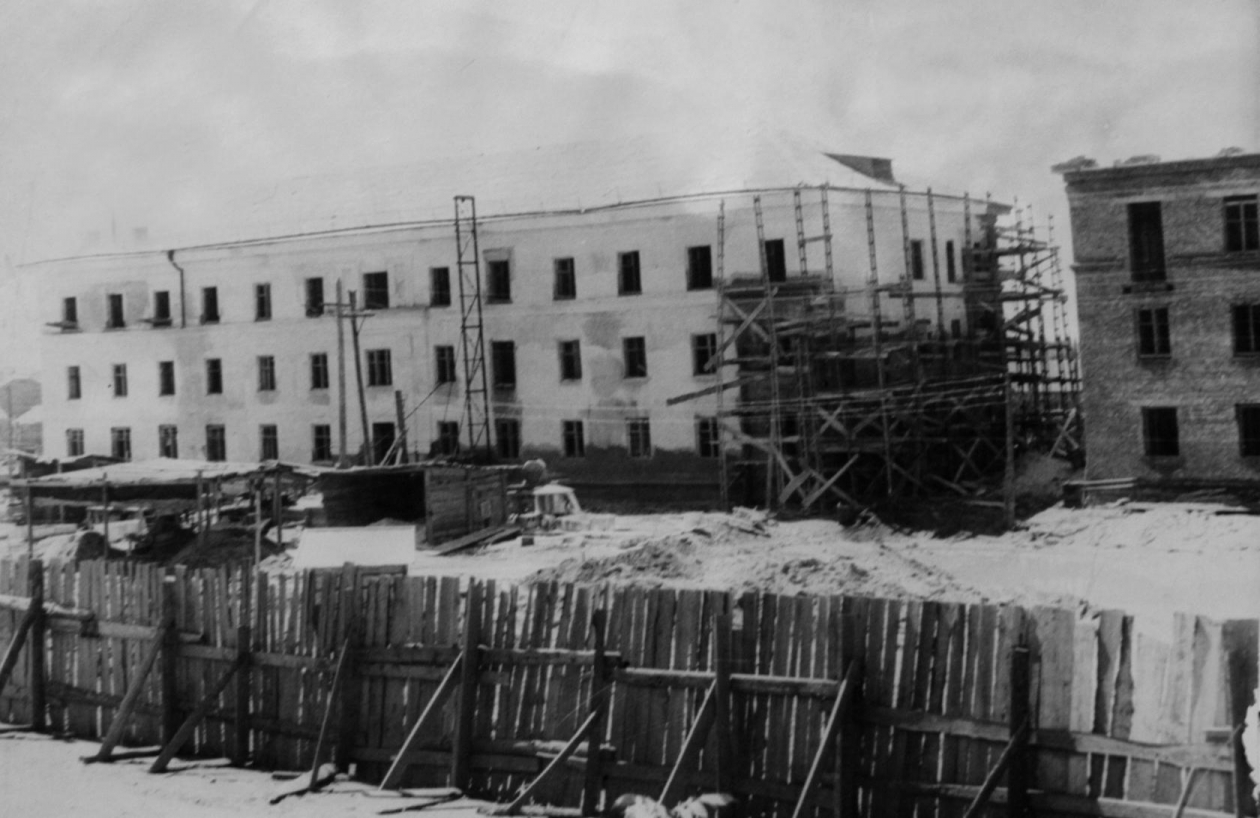
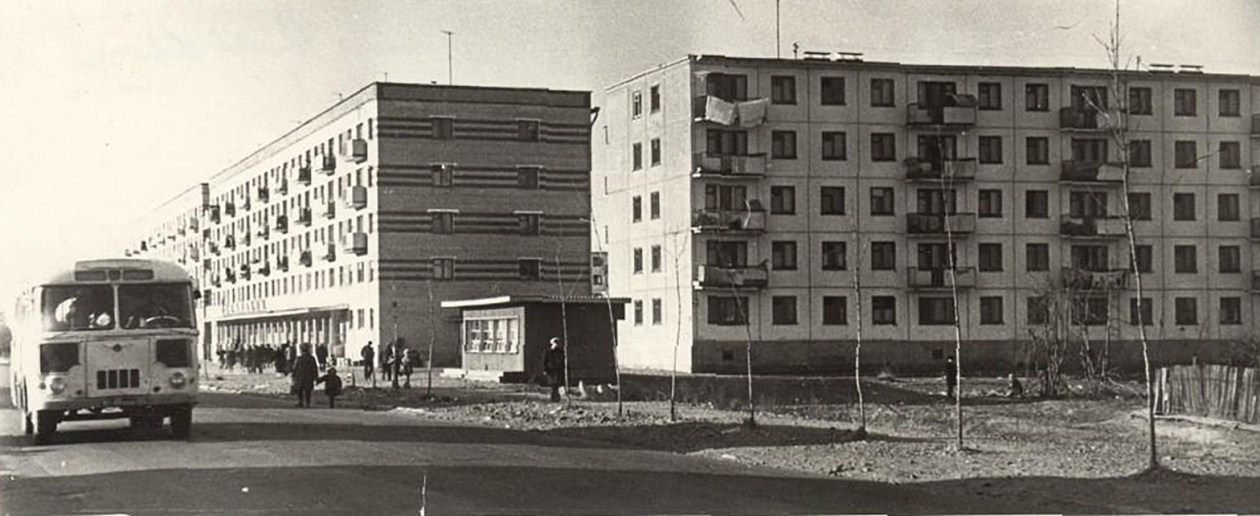
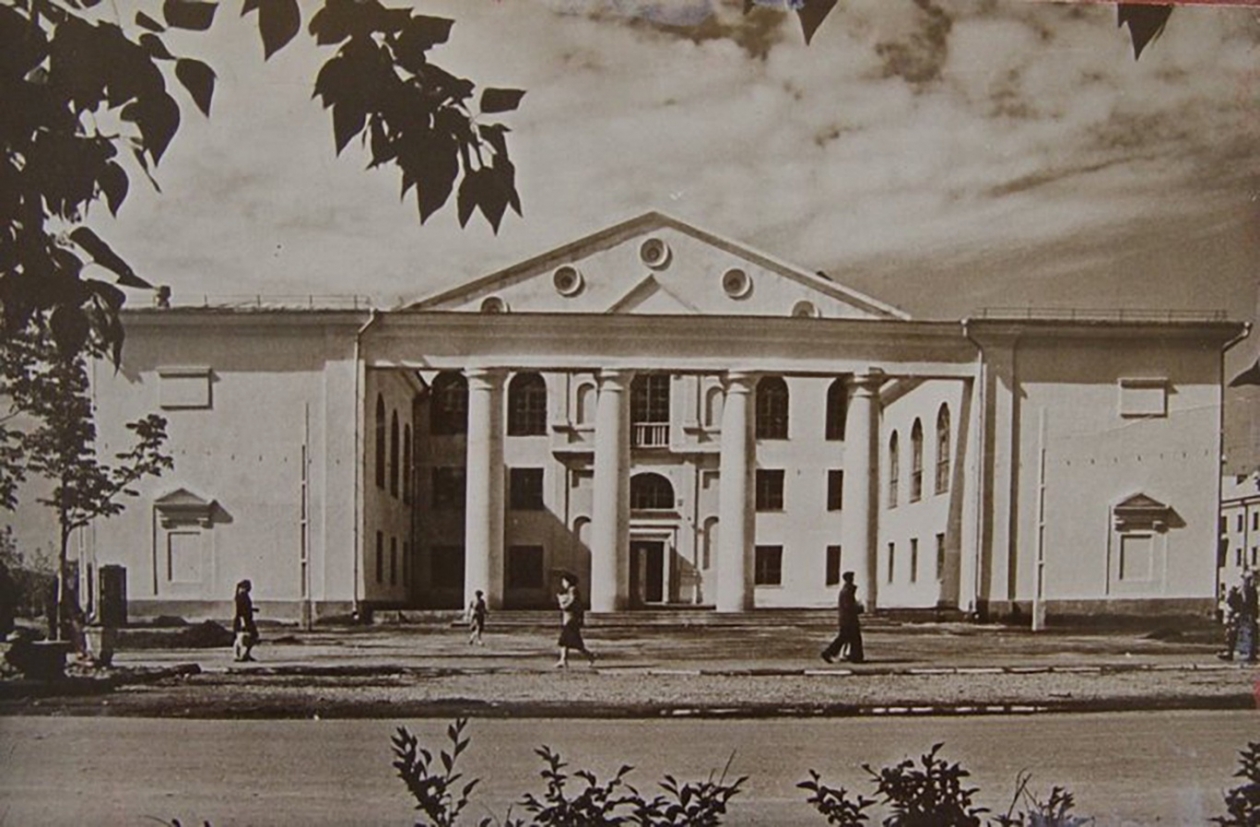
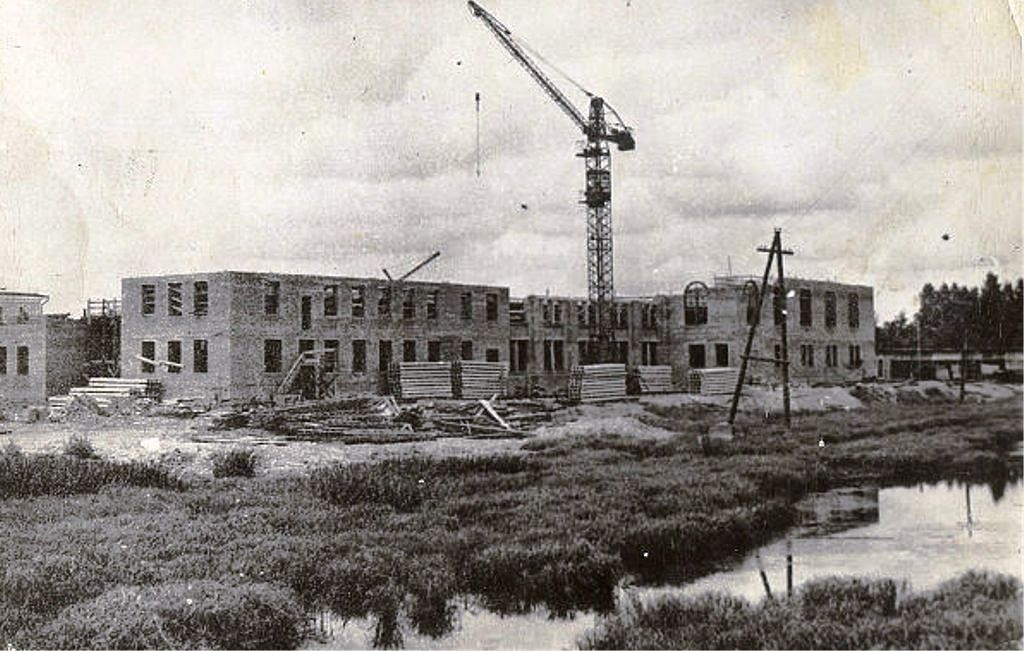
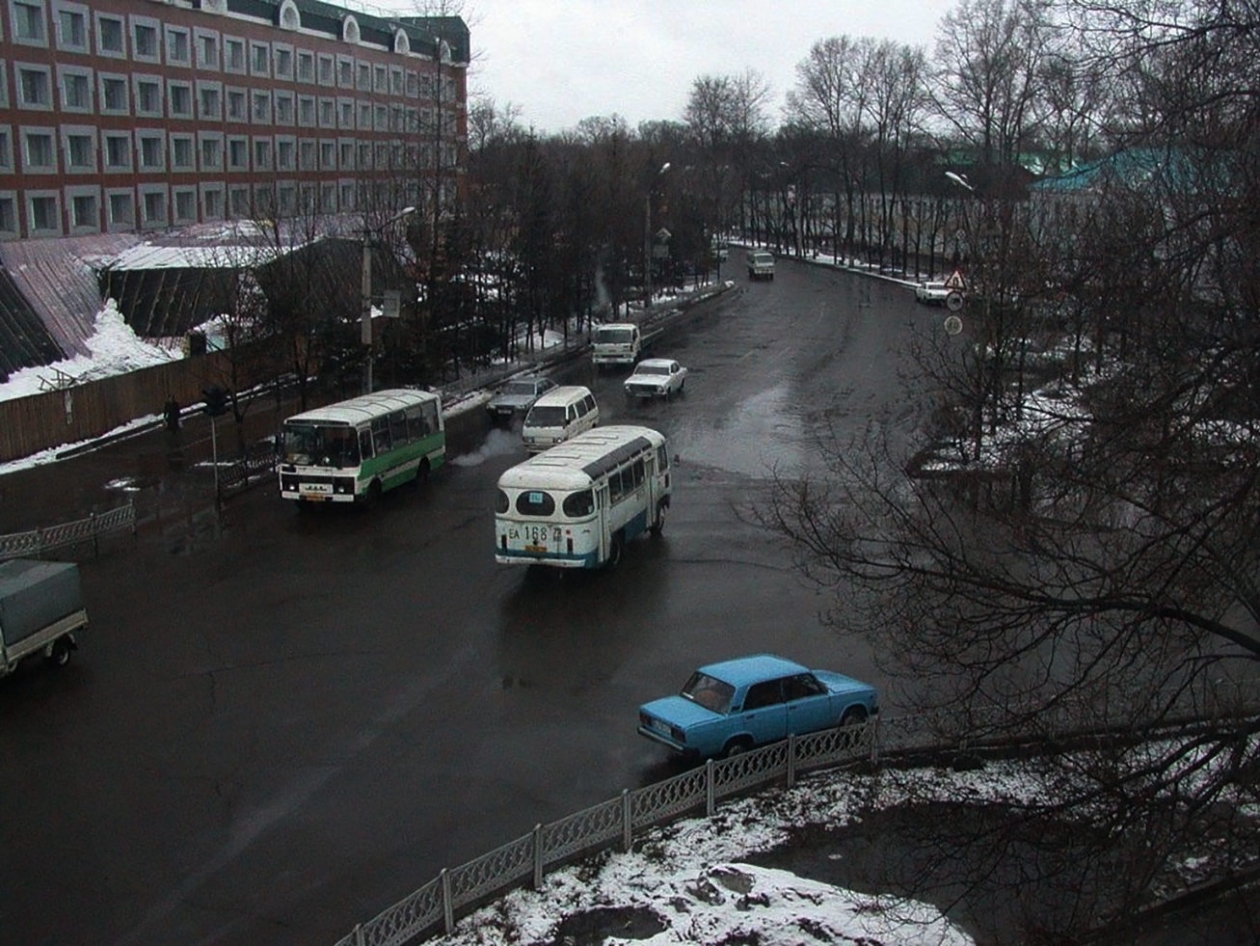
“In the center of the city on the odd side of the street, there were no houses for two blocks. Last year, the first three-story stone house appeared on the site of a vacant lot. Now there are several construction sites next to it. An ensemble of multi-story residential buildings for workers and employees of a garment factory, metal product factories and tractor trailers, a city house of equipment will appear here. On the other side of the vacant lot, a residential building for textile workers is being built. Near the regional hospital, a two-story building of a new maternity hospital, next to the Gastronom store, a residential building for trade workers and a new Birobidzhantorg department store are being built opposite the market. The finishing work of a two-story administrative building is being completed.”
Every year Sholom Aleichem Street is rebuilt and growing.
May 13, 1982
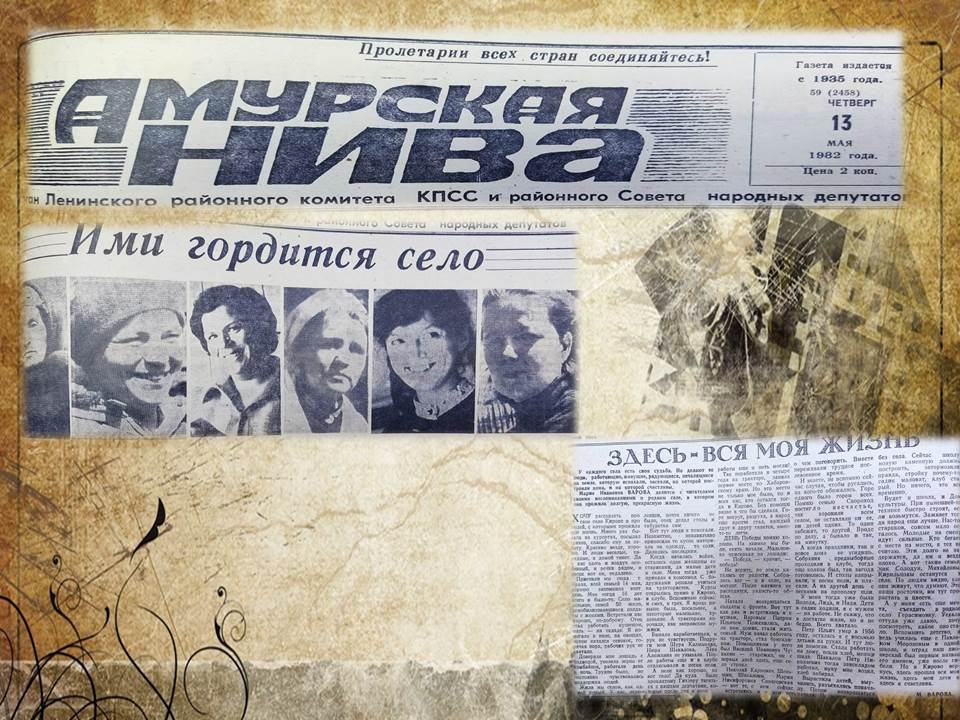
Clippings from the newspaper “Amurskaya Niva”. Photo: Photo: Regional Library
The newspaper of the Leninsky district of JSC “Amurskaya Niva” (12+) on May 13, 1982 wrote on its pages about the leading people of the Leninsky district. Among them are the leading calf farmer of the Kirov state farm – Tamara Grigorievna Guzdenko, the senior milkmaid of the second brigade – Tamara Vladimirovna Crezo, the primary school teacher of the Kirov eight-year school – Nadezhda Dmitrievna Fomina, the communist labor drummer, grocery store seller – Valentina Prokopyevna Dukhovnikova, the postman of the Kirov communication center – Nadezhda Dmitrievna Nikolaeva.
On the second page of the newspaper there is information about the village of Kirovo, in which people of different nationalities live: Russians, Moldovans, Ukrainians, Jews, Belarusians, Tatars; in total, according to the latest census, 700 people live and work in the village.
Maria Ivanovna Varova shares with readers her memories of her native village, in which she lived a long life; she came from the Urals when she was 16 years old.