A decision by a giant chip maker is causing a sensation in Japan. Affected by the war in Iran, it is now changing its packaging

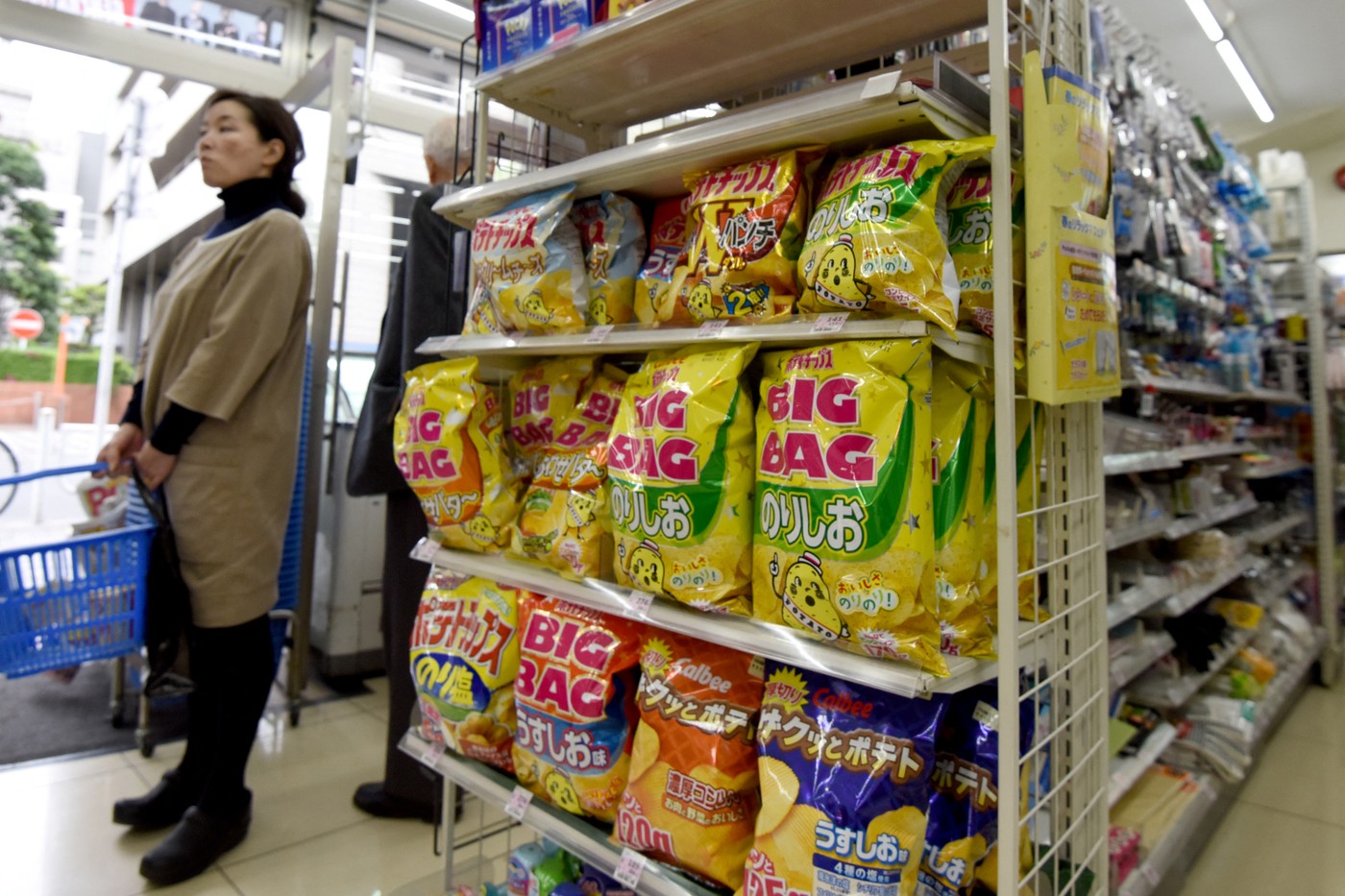
The largest producer of snacks in Japan has found a creative solution to save raw materials derived from oil: it will change its colorful packaging to black and white, notes Reuters.
In an eye-catching move, Tokyo-based Calbee announced Tuesday that it will temporarily use only two ink colors for 14 of its products, including potato chips, Kappa Ebisen snacks and Frugra breakfast cereal.
The products with the modified packaging will reach store shelves starting May 25, the company said.
Calbee, which has the largest market share in the domestic snack market, said the initiative is aimed at maintaining stable supplies in response to unstable supply affecting “certain raw materials” due to the US-Israeli war on Iran.
Japanese companies have recently tried to cushion the impact of rising costs and raw material shortages, even as the government tries to reassure the public and businesses about supplies.
The printing ink requires naphtha, an oil derivative for which Japan depends on imports from the Middle East for about 40 percent of its consumption.
Calbee potato chips are easily recognizable due to their multi-colored design, with images of the product on backgrounds that can be orange and yellow.
News of the 77-year-old company's decision sent shockwaves across Japan.
That followed a brief period of panic in March among fans of another chip brand, which temporarily halted production of a popular snack, citing difficulties in procuring heavy oil needed to run the plant.
Asked about Calbee's decision, a government spokesman said domestic oil refining was continuing to use crude stockpiles, while imports from outside the Middle East tripled in May compared with levels before the outbreak of war with Iran in late February.
“We have not received any information regarding an immediate cut in the supply of printing ink or kerosene, and we recognize that Japan as a whole has secured the necessary quantities,” said Kei Sato, Deputy Cabinet Secretary.
About 20% of the world's oil supply has been cut off by the closure of the Strait of Hormuz since the start of the Iran war, triggering a global energy crisis.