Germany's top cybersecurity official has warned MPs that Chinese technology companies such as Alibaba appear to be on the verge of creating AI systems with “super-hacking” capabilities comparable to Anthropic's new Mythos model.
During a closed meeting, the German cybersecurity chief was to warn parliamentarians about the upcoming wave of cyberattacks powered by Chinese artificial intelligence. According to POLITICO sources, the threat may be much more serious than publicly acknowledged so far.
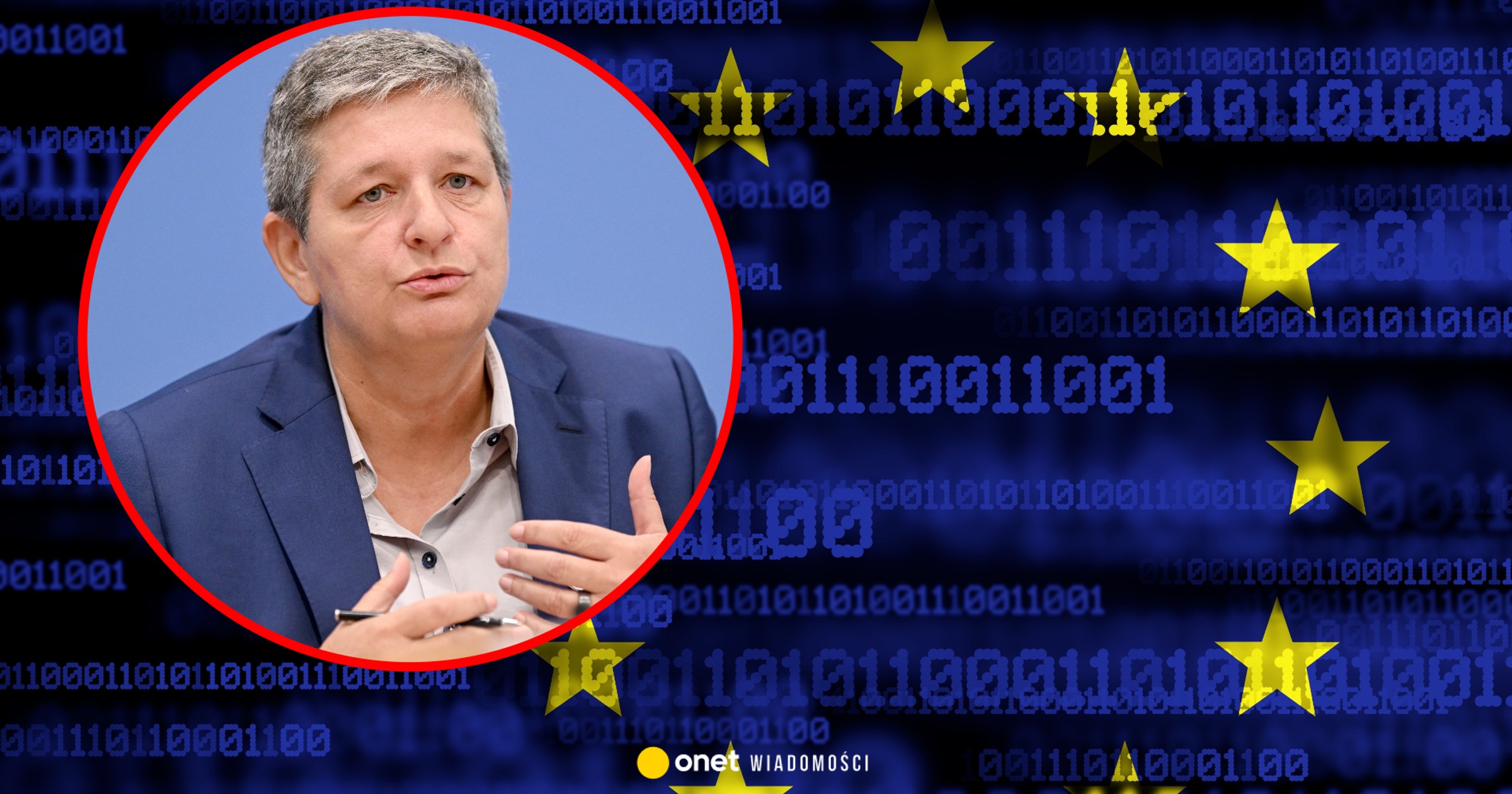
Claudia Plattner informed members of the Bundestag's digitization committee that several Chinese vendors recently stopped updating their previously open AI models. In her opinion, this may suggest that further development of the technology is beyond the reach of public opinion and independent experts.
Plattner also expressed concerns that Chinese companies may not decide to provide limited access to trusted partners – as Anthropic did, which in early April revealed threats related to Mythos and allowed 12 named and 30 anonymous organizations to test.
China and the US are accelerating the race
The warnings come as concerns about artificial intelligence with advanced hacking abilities begin to extend beyond Anthropic's high-profile Mythos model.
On Thursday, OpenAI unveiled a new model called GPT-5.5-Cyber, which is expected to offer similar capabilities. Cybersecurity companies are already trying to adapt their services to the new reality in which AI-powered cyberattacks may become much more aggressive and effective.
The Claude Mythos logo displayed on a smartphone screen with the Anthropic logo in the background (illustrative photo)Avishek Das/SOPA Images/LightRocket via Getty Images/Getty Images
But as major tech companies and AI labs race to create new cybersecurity tools, The European Union risks being left behind.
China is of particular concern – Chinese state-sponsored hacking groups have for years been considered by European officials to be among the most active and advanced cyber threats targeting Europe.
“Europe is not sitting at this table”
Plattner told MPs that neither EU institutions nor national security authorities have so far did not get the opportunity to test the Mythos model. As a result, her office must rely on cooperation with counterparts from Great Britain and the United States, which have been granted such access.
The lack of access has increasingly frustrated European officials in recent weeks and could weaken Europe's ability to defend against an expected wave of AI-enabled cyberattacks — especially as the United States and China compete to dominate the development of the most advanced AI technologies.
Europe is not at this table
– said Bart Groothuis, Dutch Liberal MEP and one of the signatories of the letter.
Groothuis and 29 other MEPs sent a letter to the European Commission in early May — first reported by POLITICO — in which they called for a “European risk mitigation plan” to counter hacking threats posed by new AI models.
The article continues below the video
The EU wants to catch up with technology giants
Senior government and cybersecurity industry officials recently told POLITICO that Europe urgently needs its own “superhacking” technology to compete with Mythos.
We need to move a little faster and ensure that Europe does not become dependent on entities like Anthropic, but creates its own cybersecurity protection system based on artificial intelligence
— French Minister of Artificial Intelligence and Digitalization Anne Le Henanff told POLITICO in April.
European politicians and European Commission representatives also increased pressure on Anthropic, calling on the American company to cooperate more closely with European Union institutions to counter upcoming cyber threats.
I’m Ashley Davis as an editor, I’m committed to upholding the highest standards of integrity and accuracy in every piece we publish. My work is driven by curiosity, a passion for truth, and a belief that journalism plays a crucial role in shaping public discourse. I strive to tell stories that not only inform but also inspire action and conversation.