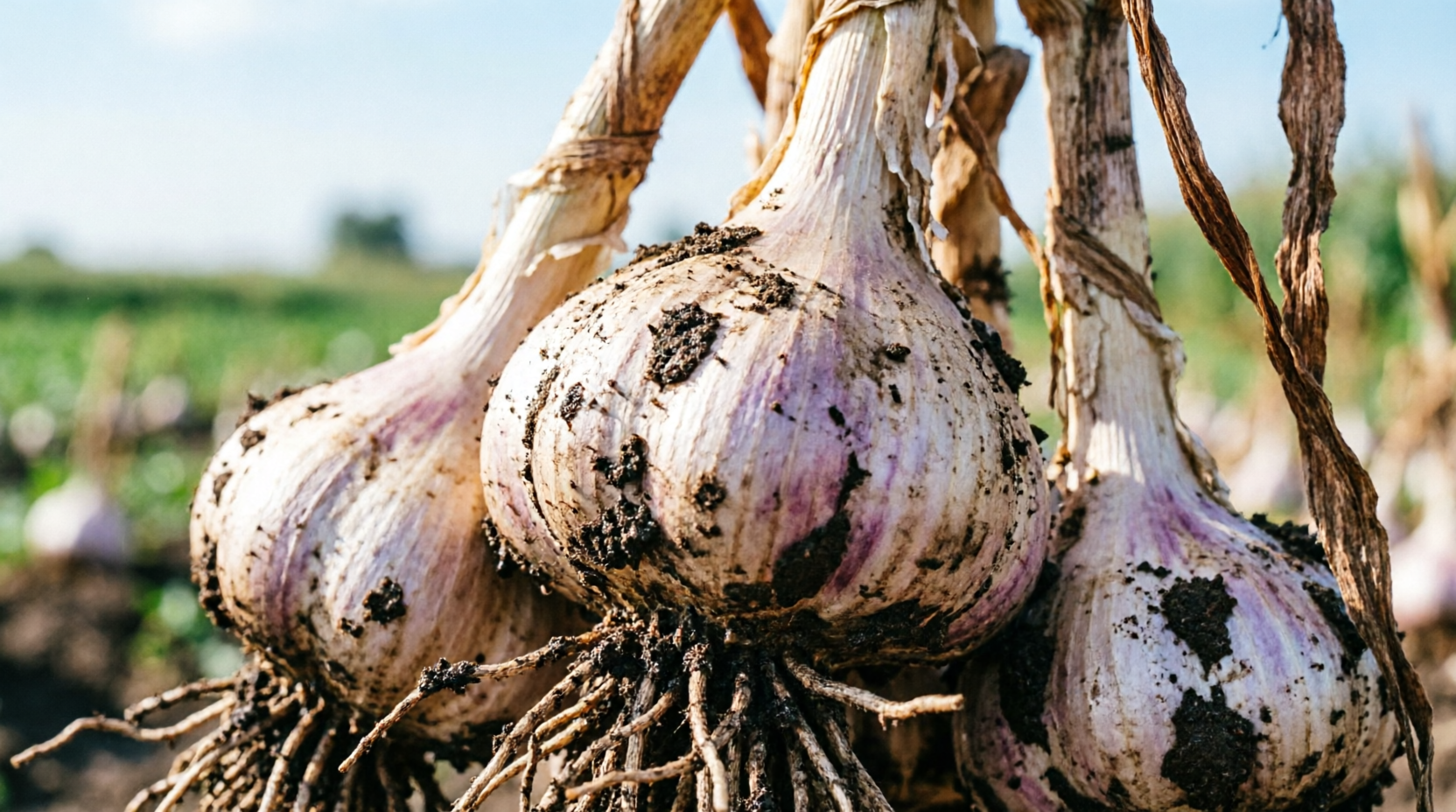
The author of the Zen channel “Volga Garden” spoke about the best dressing of garlic in May. It turns out that it is in May that the future harvest is laid, and many at this stage make a serious mistake – they begin to feed the plants with nitrogen. As a result, the garlic will put all its energy into the greens, and not into the roots, and you will get “peas” as a result.
Why potassium and phosphorus are the best option
Potassium accumulates nutrients in the cloves and accelerates their growth, increases resistance to frost, drought and other stress factors. Phosphorus, in turn, accelerates metabolic processes and helps roots grow faster, promotes flowering and fruiting.
Fertilizing with potassium monophosphate will also strengthen the plants' immunity and protect them from fungi.
How and what to feed garlic
Dissolve 20 g of potassium monophosphate in 10 liters of water. For 1 sq. m of plantings, use 1 bucket. Use only warm water so that the fertilizer dissolves quickly and without precipitation. Do not mix potassium monophosphate with other fertilizers, otherwise its effectiveness will be reduced.
Pre-water the garlic with plain water – without this, the root hairs risk “burning”. Carry out the treatment in cloudy weather to avoid sunburn.
Features and nuances
Feed garlic with monopotassium phosphate every 2-3 weeks while it is actively growing.
If you prefer to use folk remedies, use the recipe with ash. Place 100 g of ash per 1 square meter. m into the soil, loosening the soil. The walls of the garlic cloves will strengthen and thicken. Ash fertilizing gives a stable result, but works slower.