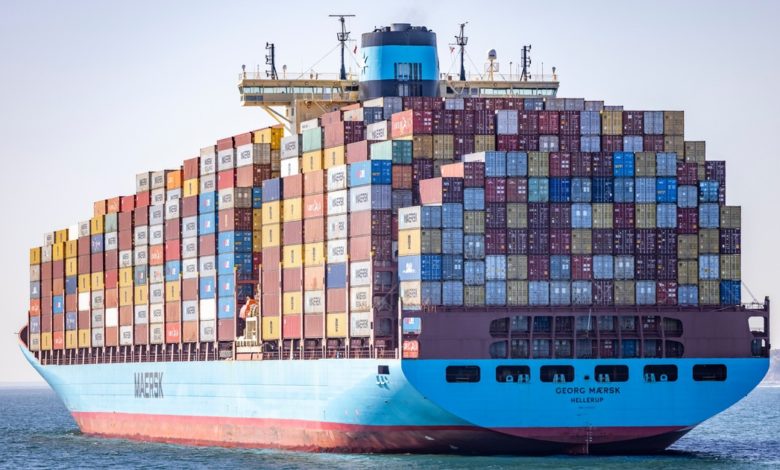
Commercial shipping traffic in the Strait of Hormuz has fallen to one of its lowest levels on record over the past 48 hours. Meanwhile, Maersk CEO Vincent Clerc warned on Thursday that rising costs of disruptions to global shipping would have to be passed on to customers. In an interview with CNN he said that expects spending to increase “by half a billion dollars a month from April” due to higher energy costs and disruptions.
The company plans to “pass this cost on to customers, otherwise it is completely unprofitable,” said the head of a Danish forwarding and logistics company.
See also: Emirati tankers disappear from radar. Importers choose risk
Crisis in the Strait of Hormuz. A giant grateful to the US army
Clerc said Maersk owes an “enormous debt of gratitude” to the U.S. military for safely escorting one of its ships through the Strait of Hormuz as part of “Project Freedom” earlier this week.
However, he explained that the situation remains critical. 66 Maersk ships can't get out of the Persian Gulfand Clerc said they would remain there “until the next 'Project Freedom' or political solution” allows safe passage through this crucial waterway.
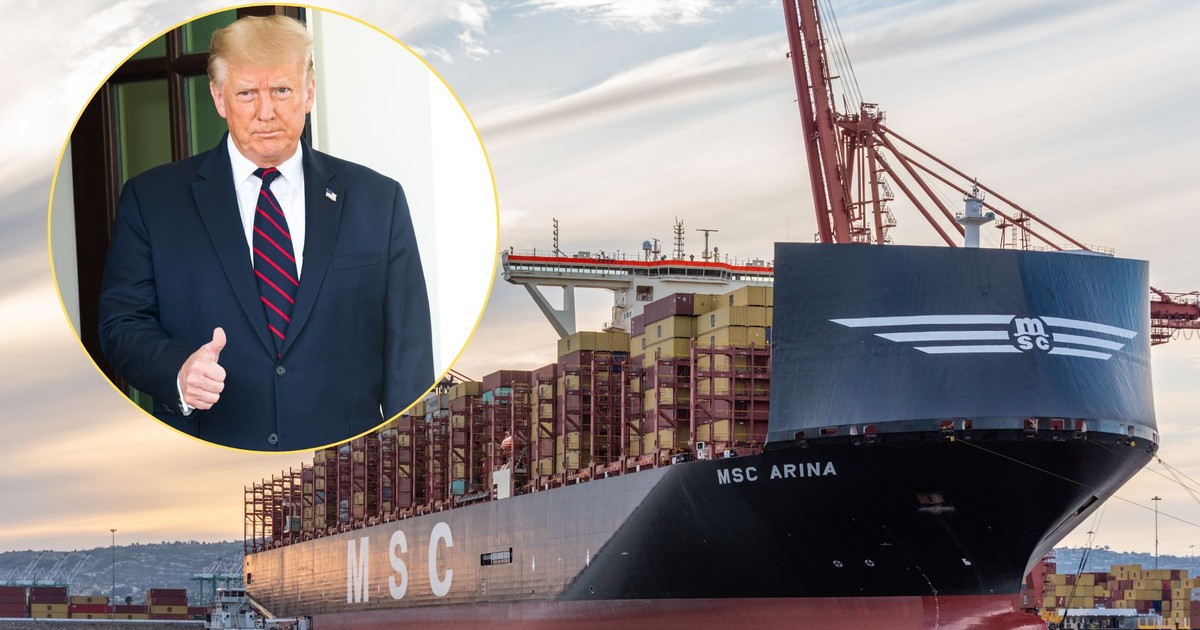
Crossing Hormuz and Donald Trump's “Project Freedom”.
“Project Freedom” is an initiative launched on Monday by the Donald Trump administration, aimed at making it easier for commercial ships to pass through the Strait of Hormuz.
The operation, conducted by US forces, was suspended after three days. The official reason for the decision was the progress in talks with Iran, although the decision was made a day after the Iranian attack on US ships and merchant ships.
Something strange is happening in the Strait of Hormuz
Over the past 48 hours, commercial ship traffic through the Strait of Hormuz has dropped to one of its lowest levels on recordaccording to MarineTraffic data analyzed by CNN. Data shows no ships were seen passing between the Arabian Sea and the Persian Gulf in the last 48 hours.
Iran is trying to force shipowners to follow a new protocol for crossing the Strait of Hormuz or risk being attacked.
Tehran is trying to formalize control over this waterway, despite US warnings.
Before the U.S.-Israeli campaign against Iran began in late February, the strait was open to any ship, regardless of its origin. However, since the beginning of the conflict, Iran has threatened to attack any ship passing through Hormuz without the consent of the Islamic Revolutionary Guard Corps (IRGC) navy. Many ships fell victim to attacks, but the vast majority of ship owners and operators, against Iran's will, did not decide to take the risk and did not send their vessels.
Source: CNN