Trump is sabotaging his own negotiators. Because of his ego, the war in Iran can continue

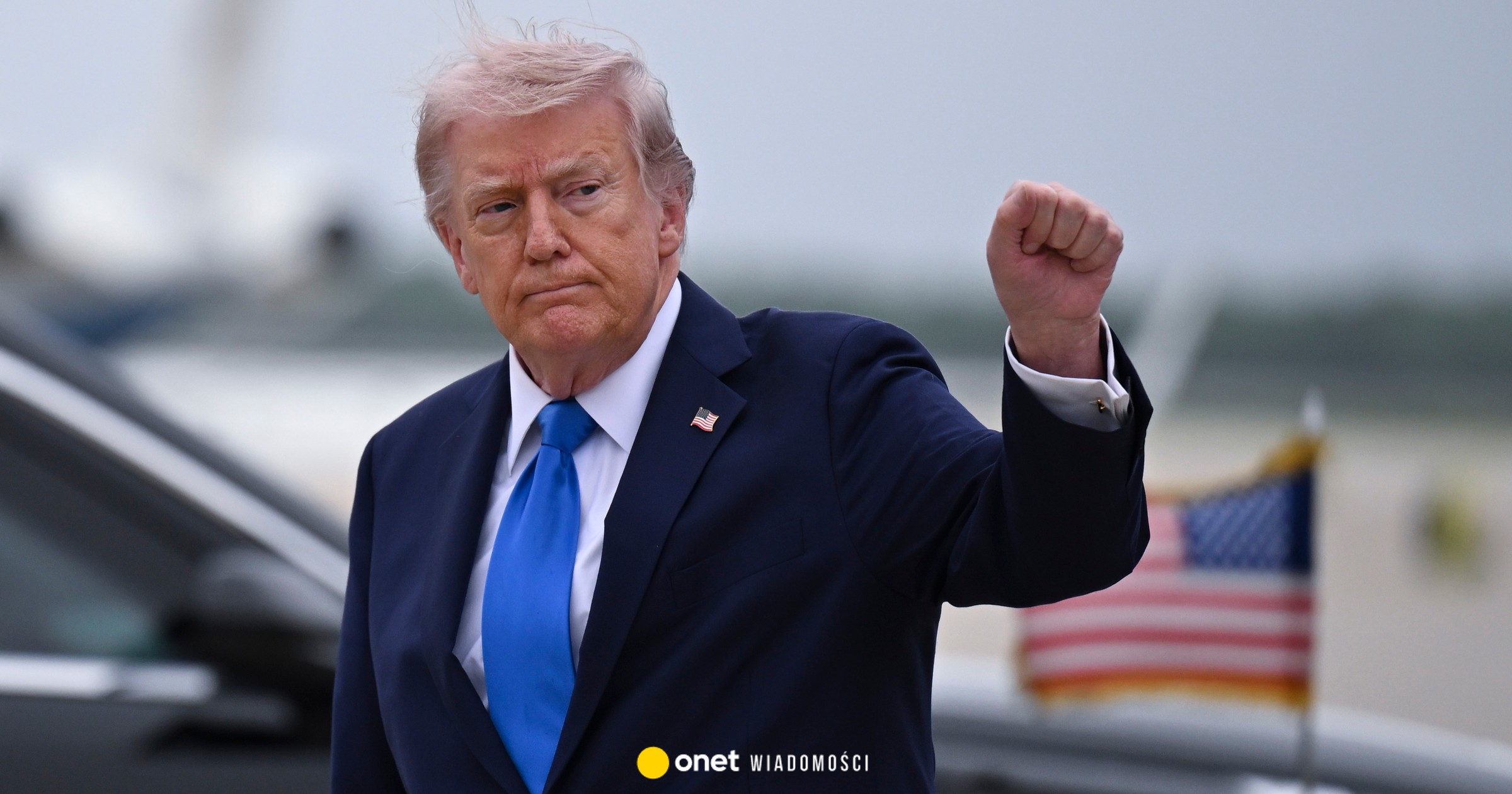
At the heart of their concerns is the question of whether Trump is willing to show enough respect to Islamic leaders in Tehran to allow them to claim some kind of victory — even if they agree to U.S. demands that would weaken their military position.
But Trump's character, which holds grudges, ridicules opponents and insists he's winning everything, doesn't bode well for diplomatic action, according to POLITICO's interviews with 10 current and former U.S. and Arab officials.
— I really want this to end — a senior official from the Persian Gulf countries familiar with the peace talks said about Trump. — But the Iranians have so far denied him what he needs to save face and leave. And he doesn't seem to understand that they also have to save face.
Some POLITICO interviewees with direct experience with Iran say that while saving face is important in any diplomatic negotiation, it is particularly important to Iranians — both for cultural and domestic political reasons.
Punches below the belt on both sides
Secretary of State Marco Rubio said Tuesday that negotiations are focused on creating a roadmap for future talks. Axios later reported that negotiators were drafting a memorandum declaring the end of the war and giving themselves 30 days to reach a more comprehensive, long-term agreement. A senior Gulf official familiar with the peace talks confirmed that there had been progress towards agreeing the basic framework for the agreement.
When asked about the status of the talks, White House spokeswoman Anna Kelly said that “talks are ongoing.”
Michael Ratney, a former US ambassador to Saudi Arabia, believes that in an ideal scenario, Trump should not comment on the war at all while his envoys are talking to the Iranians. — No tweet, no public comment, no threat, no compliment. Just let his negotiators negotiate, Ratney says.
But Trump doesn't usually operate this way. In recent weeks, he has called Iranian officials “crazy bastards” who are “mentally ill.” He also threatened to destroy Iran's “entire civilization” and also repeatedly said that the United States had already defeated Iran. Trump made many of these insults and threats as his envoys were trying to negotiate an end to a conflict that has impacted the availability of oil, fertilizers and other goods key to the global economy.
The Iranians responded with insults of their own.
Tehran has used everything from Lego videos mocking Trump to trolling social media posts. In mid-April, the pro-government Tehran Times newspaper reported that the Psychology and Counseling Organization of Iran had called for an assessment of the mental health of American political leaders, especially Donald Trump, in the interest of world peace.
Trump's rebellious attitude
Trump's contempt for Iran's cleric leaders dates back almost 50 years. It stems in part from the fact that the regime took Americans hostage shortly after the Iranian revolution overthrew the shah in 1979. Trump also said he would only agree to a deal that was better than the one President Barack Obama struck with Iran in 2015 — a deal Trump later withdrew from.
Meanwhile, Tehran does not have much trust in Trump. Iranian officials felt cheated by his first-term decision to withdraw from the Obama-era deal. They were also dissatisfied with his moves in his second term, which undermined diplomatic negotiations with military attacks. They destroyed Iran's nuclear apparatus and killed many top officials, including supreme leader Ayatollah Ali Khamenei.
Kelly, the White House spokeswoman, said what the regime says in public does not always match what it says in private. — The president will only accept [takie] an agreement that puts the national security of the United States first, she said.
It is normal for both sides in diplomatic negotiations to want to end the conflict by declaring victory. According to officials and analysts, the question in the current crisis is whether each side will be able to accept that the other side will also declare victory.
The 2015 nuclear deal showed that the Tehran regime could agree to a deal in which both it and the United States withdraw from the war while declaring success. Throughout this process — to the chagrin of many Iran hawks — Obama and his advisers have shown considerable deference and restraint toward Iran.
Trump, however, insisted on Iran's unconditional surrender. He also made demands that went beyond what Tehran considered its red lines — by insisting, for example, that it permanently abandon uranium enrichment.
Important for Iran
Iran's regime is repressive, but it still has to worry about how ordinary Iranians perceive it, current and former U.S. and Arab officials say. If Trump insists that he has defeated Tehran in the talks, it could make the regime look weak and spark domestic unrest.
Trump's demands reflect a “misconception that Iran will surrender,” says Nate Swanson, who dealt with Iran as a national security official in multiple administrations, including Trump's. — This has not happened and will not happen, no matter how much pressure is put on Iran.
During Tuesday's conference at the White House, Rubio admitted that Iran has shown great resilience to economic difficulties. He stated that the blockade of American ships and ports is an attempt to bring the regime to a crisis point. He also adopted a Trump-like tone, warning Iran of “generational destruction” of its economy. He quoted rapper Ice Cube. “They should think twice before destroying themselves,” he said.
Iranian culture in general places extremely high importance on saving face. Shame is borne not only by the individual, but also by his family or nation. Many Iranians, even those who despise the Islamic regime, resent past U.S. interference in their country, such as the CIA's role in the 1953 coup that strengthened the monarchy.
Some supporters of U.S.-Israeli military action against Iran say Trump's rhetoric is a necessary tactic to pressure Iran to make more concessions at a time when it is extremely weak. While Iran has blocked a key waterway – the Strait of Hormuz – Trump's blockade and his refusal to rule out further military attacks give it a significant advantage over Tehran, they say.
“Part of the president's strategy appears to be aimed at forcing Tehran to choose between saving face or losing its head,” said Behnam Ben Taleblu, an Iran analyst at the Foundation for the Defense of Democracies think tank, who supports U.S.-Israeli attacks on Iran.
Trump's dangerous volatility
Some diplomats closely monitoring the talks believe that Iran, having watched Trump for years, may pay more attention to what its envoys say in private than to what he says in public. — The real question is not whether Trump's tone matters. — The real question is whether there is an unofficial communication channel that compensates for it, says one Arab diplomat.
Trump has shown in the past that can go from attacking an opponent to flattery. In nuclear negotiations with North Korea's Kim Jong Un, Trump went from deriding Kim as “Little Rocket Man” to saying the two “fell in love.” Despite historic face-to-face meetings, they never reached an agreement, and North Korea systematically expanded its stockpile of nuclear weapons.
Some officials and analysts wonder whether Iran will follow North Korea's lead and ultimately pursue nuclear weapons regardless of any deal with the United States, whatever it may be. After all, Trump is not threatening to attack Pyongyang.
Either way, Iran's leaders “place a high value on dignity and respect, despite their own, often outrageous, behavior,” says a former senior Western official who has worked with Iranian officials. — In their eyes, the crazy comments from the Trump White House devalue the United States and confirm its self-esteem in the fight against a decadent and immoral adversary.