Diane Francis is an award-winning columnist, best-selling author, investigative journalist and television commentator. She is the editor-in-chief of the National Post and Postmedia newspapers. She is a senior research fellow at the Atlantic Council in Washington, DC.
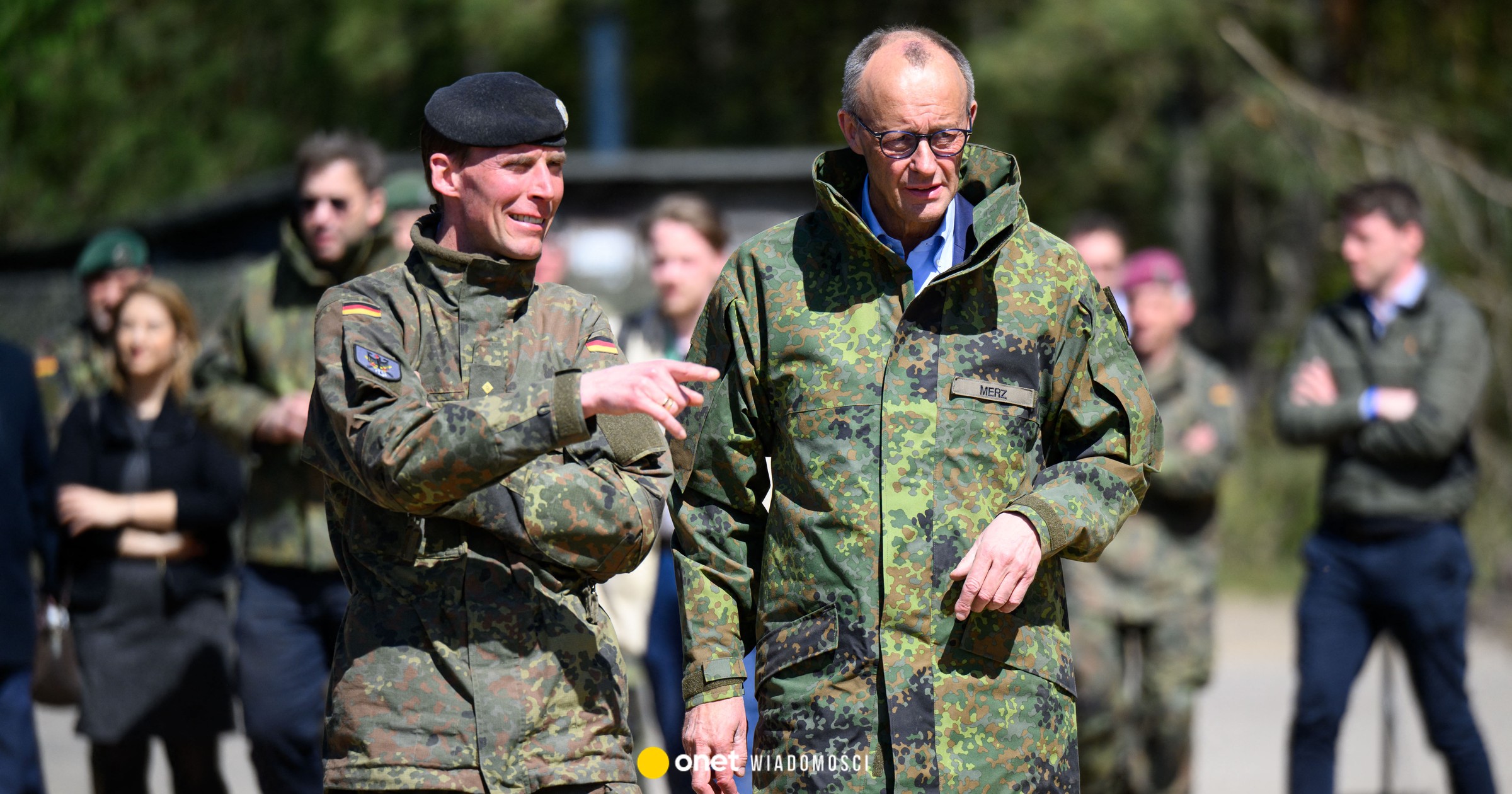
Merz, an investment banker who served in the army, is a typical German and, like Trump, does not mince his words, so it is not surprising that there was a dispute between them.
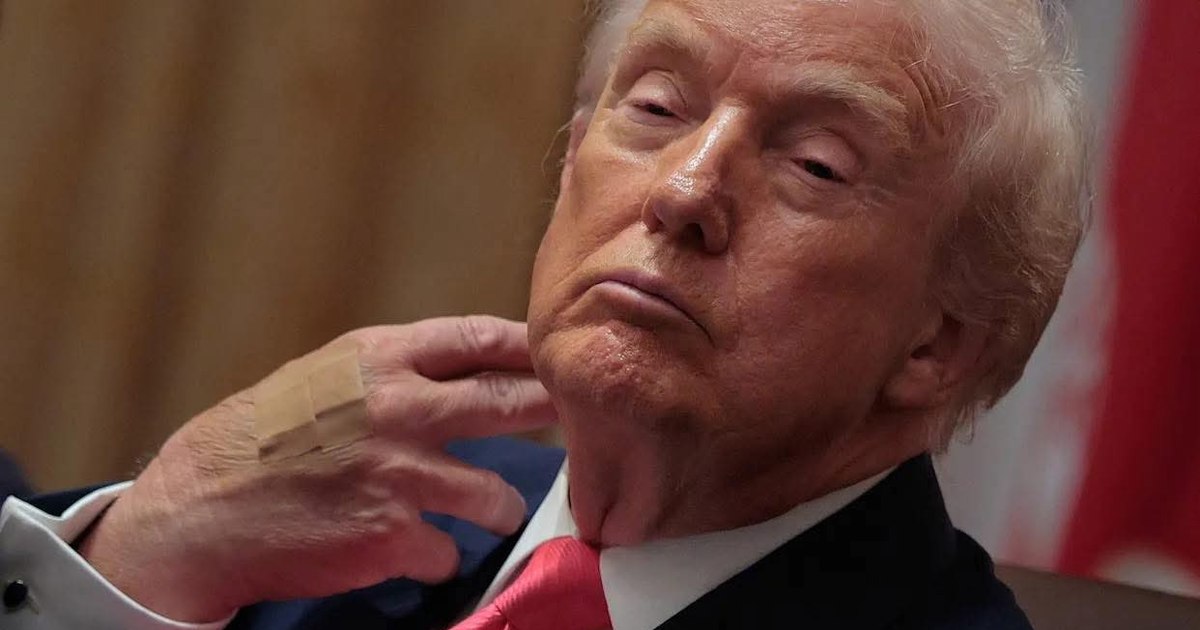
“German Chancellor Friedrich Merz thinks it's okay for Iran to have nuclear weapons. He has no idea what he's talking about!” — wrote Trump, adding: “No wonder Germany is doing so poorly, both economically and otherwise!”
Trump has a right to be angry because allies should never publicly criticize each other's strategies, but he is wrong about the situation in Germany. The country is a power and the third largest economy in the world, after the United States and China.
The leaders clashed, but ironically, Merz agrees with Trump's criticism of Europeans for not spending enough on their armed forces and takes action on it. However, he also resembles Trump in terms of style. They both communicate with German directness, or Direktheit – a style of speech that is effective, clear, honest, never embellished, and may be perceived as impolite by other cultures.
Despite the exchange of insults, Merz is leading the rearmament in Europe and financing the lion's share of funds for the war in Ukraine.
Germany is arming intensively. They have overtaken Great Britain as the largest defense investor in this part of the world. In 2026, they ranked fourth in the world in terms of defense spending, behind the United States, China and Russia.
Merz's goal is to make the Bundeswehr “the strongest conventional army in Europe.” To this end, he fought the system by gradually introducing conscription, rebuilding the country's infrastructure to prepare for a possible Russian invasion in 2029, and transforming his country into a “weapons factory.” Germany already has greater ammunition production capabilities than the United States.
Germany changes course
Backed by technology, a powerful industrial base, and a determination to stop Vladimir Putin's war against Europe, Merz signs huge checks to support Ukraine and billions more in joint ventures to produce drones, technology, and weapons. Their partnership increases Ukraine's autonomy and integrates its defense industry with Europe's. Merz also proposed that France extend its nuclear umbrella to the entire continent. As Germany expands its armed forces, other countries also increase their defense potential.
Changing the course of German military policy reverses years of pacifism and the duplicitous leadership of former Chancellor Gerhard Schroeder and Angela Merkel, which threatened Europe, led to the current war and was inspired by Russia.
German Army Puma tanks during a presentation at a German army barracks in Munster, northern Germany, April 30, 2026.DANIEL REINHARDT / AFP / AFP
Vladimir Putin lived in Germany for years as a KGB agent and learned how to “manipulate” the country, making it dependent on Russian energy in preparation for conquest. As a KGB agent in the 1980s, he maintained contacts with German politicians, examined the country's political psyche, corrupted elite networks and discovered its weak points.
Putin's first “invasion” was to build a series of pipelines aimed at making Europe dependent on Russian oil and natural gas. The Americans opposed this and warned against giving such power to Moscow, but the Germans continued their actions.
Then, in 2022, Putin invaded Ukraine again and halted energy exports to blackmail Europe into compliance. However, the continent introduced rationing, closed industrial plants and found alternative solutions. Europeans rallied to support the Ukrainians, but the lion's share of aid initially came from the United States.
Conflict with Washington
Trump criticized Europeans, calling them “pathetic parasites” and “trade fraudsters.” He also believes that the war in Ukraine is a European problem. Although it is conducting negotiations, it is passing on the costs of aid, which are currently borne mainly by Germany. On the other hand, Europe considers Trump's war in Iran to be America's choice, not its own, and has not decided to take joint action. Merz's frustration stems from the fact that the war caused collateral damage in Europeand the closing of the Strait of Hormuz by Iran caused another energy crisis in Europe.
Merz and Trump exchanged insults, heightening fears that America could withdraw from NATO altogether. A Pentagon official cited Germany's lack of contribution to the U.S. war effort in Iran as the reason for the troop withdrawal. But Gen. Ben Hodges, former commander of U.S. forces in Europe, sharply criticized plans to withdraw any U.S. troops from Germany, calling it a “colossal mistake.”
The article continues below the video
He argued that this is not a “strategic move” but a “huge gift to the Kremlin” that harms NATO and weakens U.S. security because Germany is the main hub for all alliance forces.
Polish Prime Minister Donald Tusk wants this gap to be closed. He warned that “the greatest threat to the transatlantic community is not its external enemies, but the progressive disintegration of the alliance.” “We all must do everything in our power to reverse this disastrous trend,” he wrote in a post on X.
Merz's views on Iran were blunt and should not have been expressed publicly, given Trump's sensitivities. He sounded harsh: “The Americans clearly have no strategy.” [w Iranie]and the problem with such conflicts is always that it's not enough just to get in, you also have to get out, Merz said. — We experienced this very painfully in Afghanistan. We saw this in Iraq. So this situation is, to say the least, ill-considered, and I don't see what strategic solution the Americans are choosing now.
Given their uncompromising style, it is clear that these two leaders will clash in the future. Trump's reaction to the withdrawal of 5,000 troops was criticized by U.S. Senator Roger Wicker and others, who noted that the decision risked “undermining deterrence and sending the wrong signal to Vladimir Putin.
Merz tried to downplay the altercation and did not apologize, and Trump will hold a grudge. Even before Merz made his comments, the United States had hinted that it might withdraw troops from Europe and limit its nuclear deterrent, just as fears are growing that Putin could test the alliance by attacking smaller member states such as Estonia and Latvia.
The important thing is that Germany took action, as did the rest of Europe. Orban has been ousted, Ukraine is weakening Russia, and Merz will continue to back up his words with actions.
I’m Ashley Davis as an editor, I’m committed to upholding the highest standards of integrity and accuracy in every piece we publish. My work is driven by curiosity, a passion for truth, and a belief that journalism plays a crucial role in shaping public discourse. I strive to tell stories that not only inform but also inspire action and conversation.