The US will “guide” the blocked ships through the Strait of Hormuz. 15,000 troops, missile destroyers and more than 100 aircraft will be involved

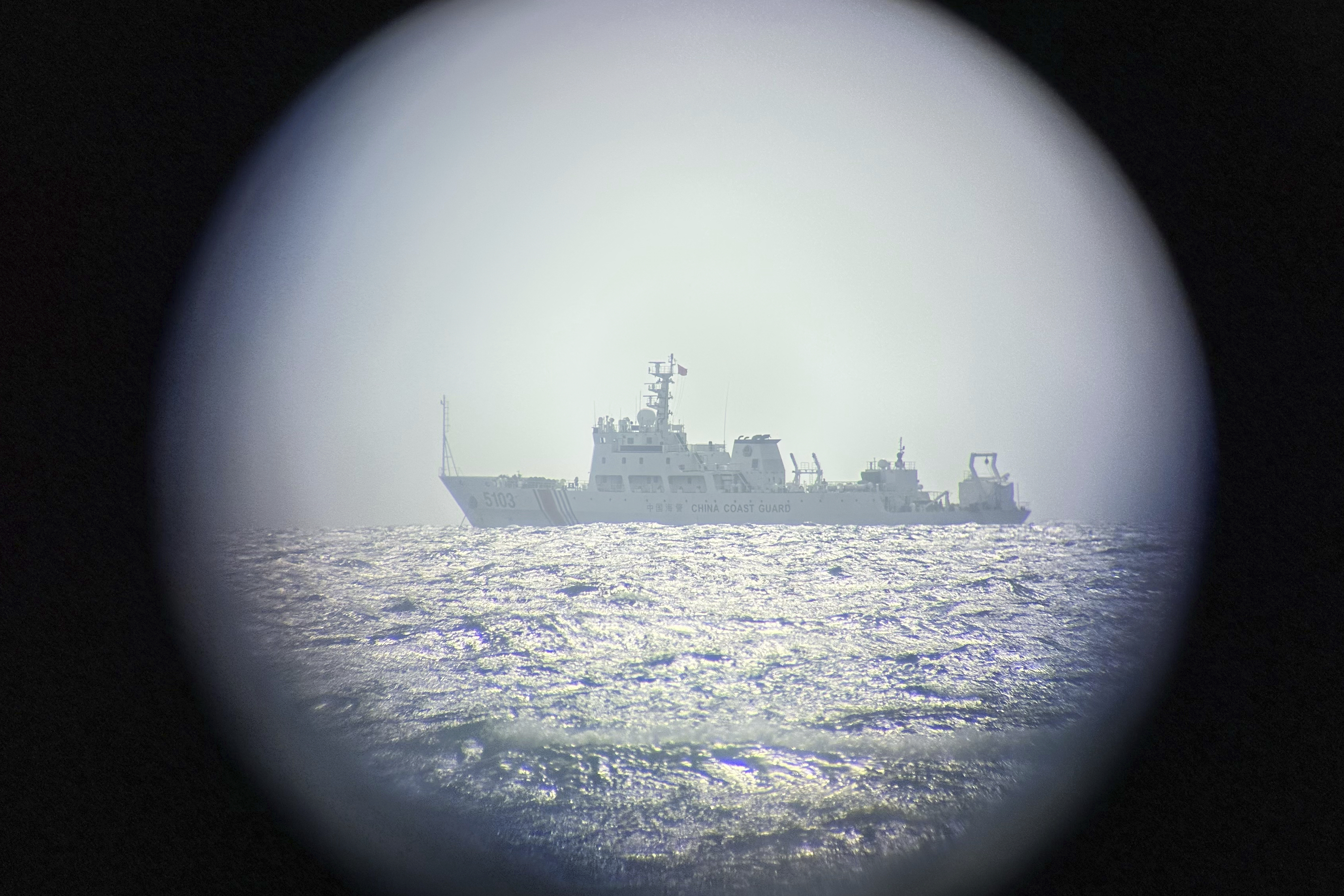
US Central Command said 15,000 troops, guided missile destroyers and more than 100 aircraft would be involved in “Project Freedom” starting Monday.
“For the good of Iran, the Middle East and the United States, I have told these countries that we will guide their ships safely out of these restricted waterways so they can continue to operate freely and efficiently,” President Trump said in a social media post, without specifying which countries he was referring to.
Trump declared that any interference in this process – “Project Freedom” – “will have to be dealt with firmly”.
Iran has severely restricted traffic on this vital waterway since the start of the war in February. The US also imposed a naval blockade on Iranian ports.
In the post, Trump also said that US representatives are having “very positive” talks with Iran and that those talks “could lead to something very positive for everybody.”
Trump added that the operation would be a “humanitarian gesture” on behalf of the US, Iran and other Middle Eastern nations, without naming the countries. He did not provide further details on how cooperation with Tehran would be handled.
“The movement of the ships is only for the purpose of freeing people, companies and countries that have done absolutely nothing wrong,” Trump continued.
An estimated 20,000 sailors have been stranded in the Gulf since the war with Iran began. There is growing concern about dwindling supplies and the effects on the physical and mental health of sailors.
About 20 percent of the world's oil and liquefied natural gas (LNG) typically pass through the strait, and the conflict has sent global energy prices soaring.
On Sunday evening, the UK Maritime Transport Operation (UKMTO) announced that an oil tanker had been hit by an “unknown projectile” in the strait, adding that the crew was safe.
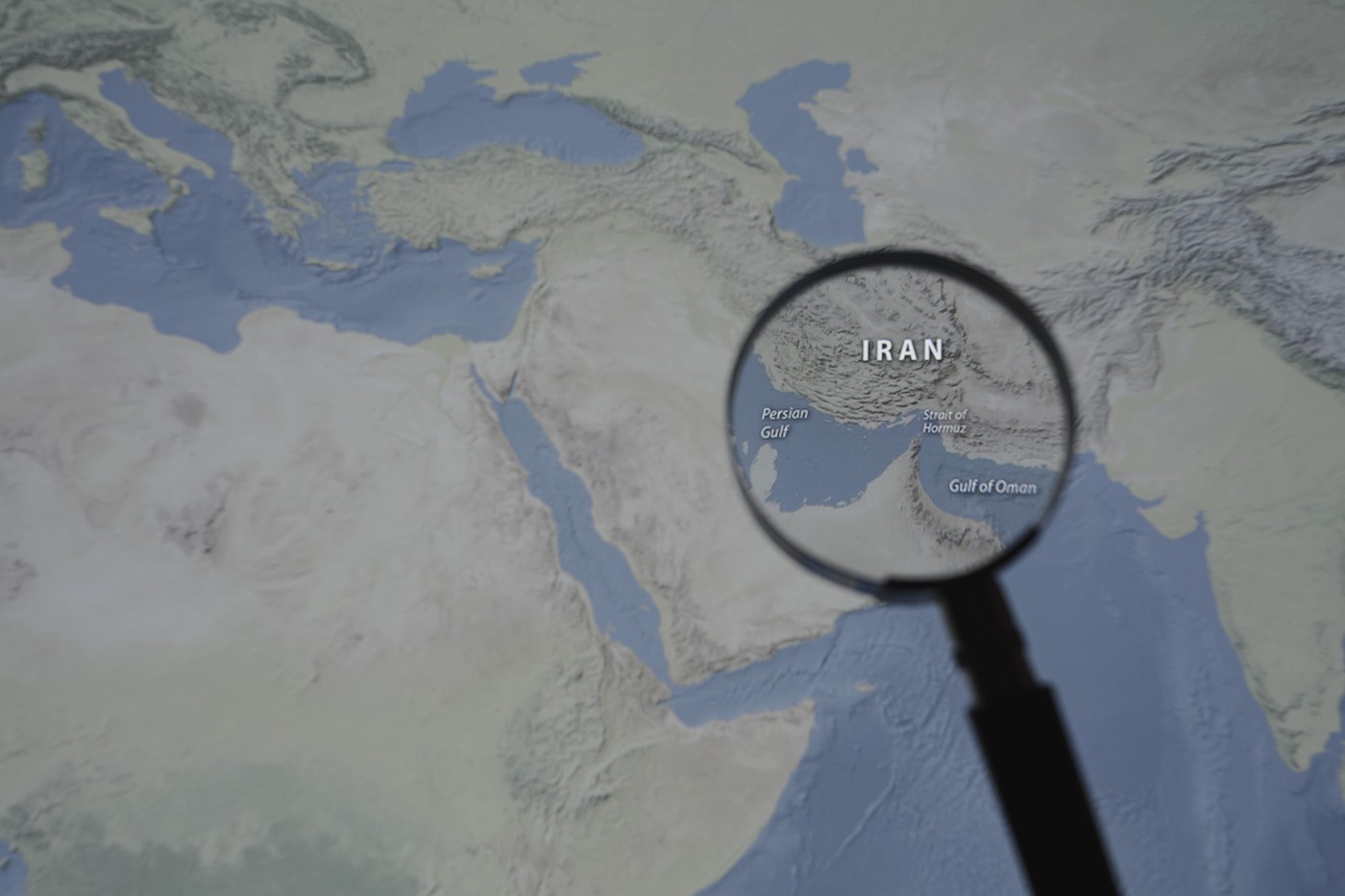
The Strait of Hormuz, a narrow sea route in the Gulf region, is one of the most important sea routes in the world. Bordered to the north by Iran and to the south by Oman and the United Arab Emirates (UAE), the Strait of Hormuz connects the Gulf to the Arabian Sea. The strait is deep enough for the world's largest oil tankers and is used by the Middle East's major oil and gas producers – and their customers.
Trump's announcement came after Iranian media said Tehran had received a US response to its latest peace proposal.
Iran said the response, sent through Pakistan, was being reviewed, according to Iran's Tasnim news agency.
The US has yet to officially confirm that it has responded to Iran. However, Trump reportedly told Israeli Kan News television on Sunday that the proposal was unacceptable to him.
Iranian state media said Tehran's 14-point peace plan calls for Washington to withdraw its forces near Iran's borders and end the naval blockade of Iranian ports, as well as an end to all hostilities – including Israel's offensive in Lebanon.
He also called for an agreement to be reached between the two countries within 30 days.
Iranian state media added that the proposal urged the two warring sides to focus on “ending the war” rather than extending the current ceasefire.
Iranian Foreign Ministry spokesman Esmaeil Baghaei was quoted by state media as saying that “at this stage, we do not have nuclear negotiations” – a key demand from Washington.
Iran has repeatedly denied it wants to develop a nuclear bomb and says its program is purely for peaceful purposes, although the country is the only non-nuclear-weapon country to have enriched uranium to a level nearly suitable for nuclear weapons.
Asked by the BBC whether military strikes against targets in Iran could resume, Trump said it was “a possibility”.
“If they misbehave. If they do something bad,” he said. “But we'll see.”
The US president appeared reluctant to fully withdraw from the conflict, saying “we're not leaving” and “we're going to do it so nobody has to come back in two or five years.”