The foods we should never get bored of. They are the foods that we must eat daily for a healthy life

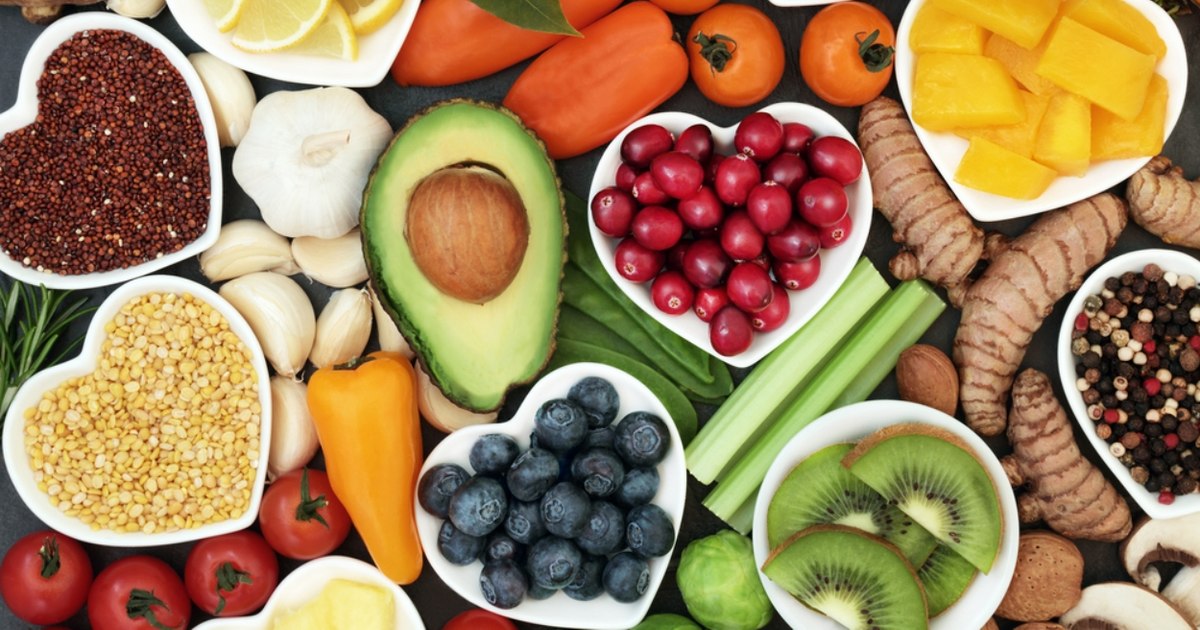
Dietitians say it is recommended that we eat a variety of foods daily to maintain our health without resorting to nutritional supplements or jars of pharmaceutical vitamins. At the same time, the same specialists say that a balanced diet is the healthiest.
There are a number of foods that must be consumed daily PHOTO shutterstock
In today's world, it's hard to be sure that what you eat is really healthy. This is due to conflicting opinions, present both online and among specialists. Most emphasize the foods we are not allowed to eat daily or very often, each with their own arguments. These are so numerous and different that we could easily come to the conclusion that, despite the abundance of food, we no longer have anything to eat healthy.
But there are also dieticians who help us shed light on our menu. More specifically, they tell us what we should consume daily to enjoy iron health, obtained from nutrients extracted from natural foods, not from supplements or other pharmaceuticals. And in order not to get bored of the same food kingdom, dieticians with a positive approach also offer us alternatives to ensure the variety of the daily menu.
The secret, a balanced diet
Public health specialists and dietitians say that balance is the key to a healthy diet. This involves avoiding excesses of any kind and consuming products from all essential groups, obviously in different proportions. We do not recommend miracle belts, diets strictly focused on certain food categories or experiments that can do us more harm than good.
In addition, each person is unique, having their own metabolism. That's why a varied diet is essential. We must listen to our body and adjust the nutritional proportions according to the specific needs of our body.
“Consumption of a healthy diet throughout life helps prevent malnutrition in all its forms, as well as a range of non-communicable diseases and conditions (…). The exact composition of a varied, balanced and healthy diet varies according to individual characteristics (eg age, gender, lifestyle and level of physical activity), cultural context, locally available foods and eating habits.
However, the basic principles of a healthy diet remain the same and are described by four principles: adequacy (covers, without exceeding, the needs of micronutrients and macronutrients), balance (total energy intake is in balance with energy expenditure, with an appropriate ratio between the three main sources of energy: protein, fat and carbohydrates), moderation (limiting the intake of nutrients, ingredients and foods that can be harmful to health) and diversity (including a wide variety of nutritious foods, both within and across food groups)'say nutrition specialists from the World Health Organization (WHO).
For example, carbohydrates are the main source of energy for the body, fats are essential nutrients for the proper functioning of cells in the body (and two fatty acids – linoleic acid and α-linolenic acid – can only be obtained from food), proteins provide the building blocks for many of the body's structures, and micronutrients are essential vitamins and minerals that the body needs in small amounts for proper growth and health.
A balanced diet means combining all these nutrients as often as possible. But there are also foods that are consumed daily for a healthy life.
Fatty fish, heart and brain health
Professor Teresa Fung, an associate professor in the department of nutrition at Harvard, told Harvard Health Publishing that fatty fish, especially salmon, should be consumed daily. And that's because it's rich not only in healthy proteins, but also in omega-3 fatty acids, which are beneficial for both the heart and the brain. It also gives you vitamin D, which is essential for bones.
The underrated preserves. Which of them can support the cardiovascular system, brain function and strengthen bones
However, salmon is a difficult fish to procure daily for many Romanians, especially for financial reasons. However, it can be replaced with cheaper, but healthy options, such as herring or mackerel. Not to mention sardines or trout. It is ideal to choose fresh fish and to cook it, preferably in the oven, steam or grill (without burning it) and, at the same time, it is advisable to vary between different species of fish.
Cruciferae, the anti-carcinogens within everyone's reach
Other foods that must be consumed daily for a healthy life are cruciferous vegetables. That is, a family of vegetables that includes broccoli, Brussels sprouts, cabbage, cauliflower, kale, collards, mustard, rutabaga, turnips, bok choy, Chinese cabbage, arugula, horseradish, radish and watercress. Even the famous wasabi is also a cruciferous plant.
These vegetables, as indicated by the specialists, are full of vitamins and substances very good for our health, such as carotenoids (beta-carotene, lutein, zeaxanthin), but also vitamins C, E and K, plus folate and minerals. They are also a good source of fiber. At the same time, cruciferous vegetables excel in protection against cancer. They contain a number of unique substances that fight cancer cells or prevent their formation.
These substances are called glucosinolates and are responsible for the pungent aroma and bitter taste of cruciferous vegetables. “Like other vegetables, cruciferous vegetables contain a number of nutrients and phytochemicals with chemopreventive, meaning cancer-fighting, properties. These substances and nutrients include folate, fiber, carotenoids and chlorophyll. However, cruciferous vegetables are unique in that they are rich sources of glucosinolates, sulfur-containing compounds responsible for their pungent aromas and spicy taste.”say specialists Jane V. Higdon, Barbara Delage, David E. Williams and Roderick H. Dashwood in the article “Cruciferous Vegetables and Human Cancer Risk: Epidemiologic Evidence and Mechanistic Basis,” for the National Library of Medicine.
Eat Bigger Portions, Lose More Weight: Nutritionists' Tips for Satiety, Energy and a Slimmer Waist in 2026
Among the most accessible and delicious cruciferous vegetables for all Romanians are cabbage, horseradish, radish, turnips and even cauliflower. Brussels sprouts, like other cruciferous vegetables, contain bioactive compounds such as antioxidants that help prevent cell damage.
Nuts and blueberries, a perfect mix in a creamy yogurt
Other foods that should be consumed daily are blueberries, nuts, and yogurt. I preferred to approach them together because all three can be used as ingredients of a healthy but also delicious breakfast.
Blueberries are rich in antioxidants, especially vitamin C. With only 56 calories per 100 grams, they also provide a good amount of vitamin A and fiber. They can also be replaced with other dark fruits, for example blackberries, aronia, pomegranate or black currants.
On the other hand, nuts provide healthy fats, protein and vitamin E. Obviously, you can choose other equally healthy alternatives, such as almonds or peanuts (but the latter consumed in moderation).
Well, all of this can end up in a delicious, plain, rustic yogurt with no flavors, colors, or anything else. Yoghurt, or even better cottage cheese (curd milk), provides you with probiotics — beneficial bacteria that help the digestive system function properly and contribute to overall health. It is rich in protein, calcium, magnesium, vitamin B12 and essential fatty acids.