The threshold of 2,000 euros per square meter for new homes has been exceeded. How to reinvent the mortgage market

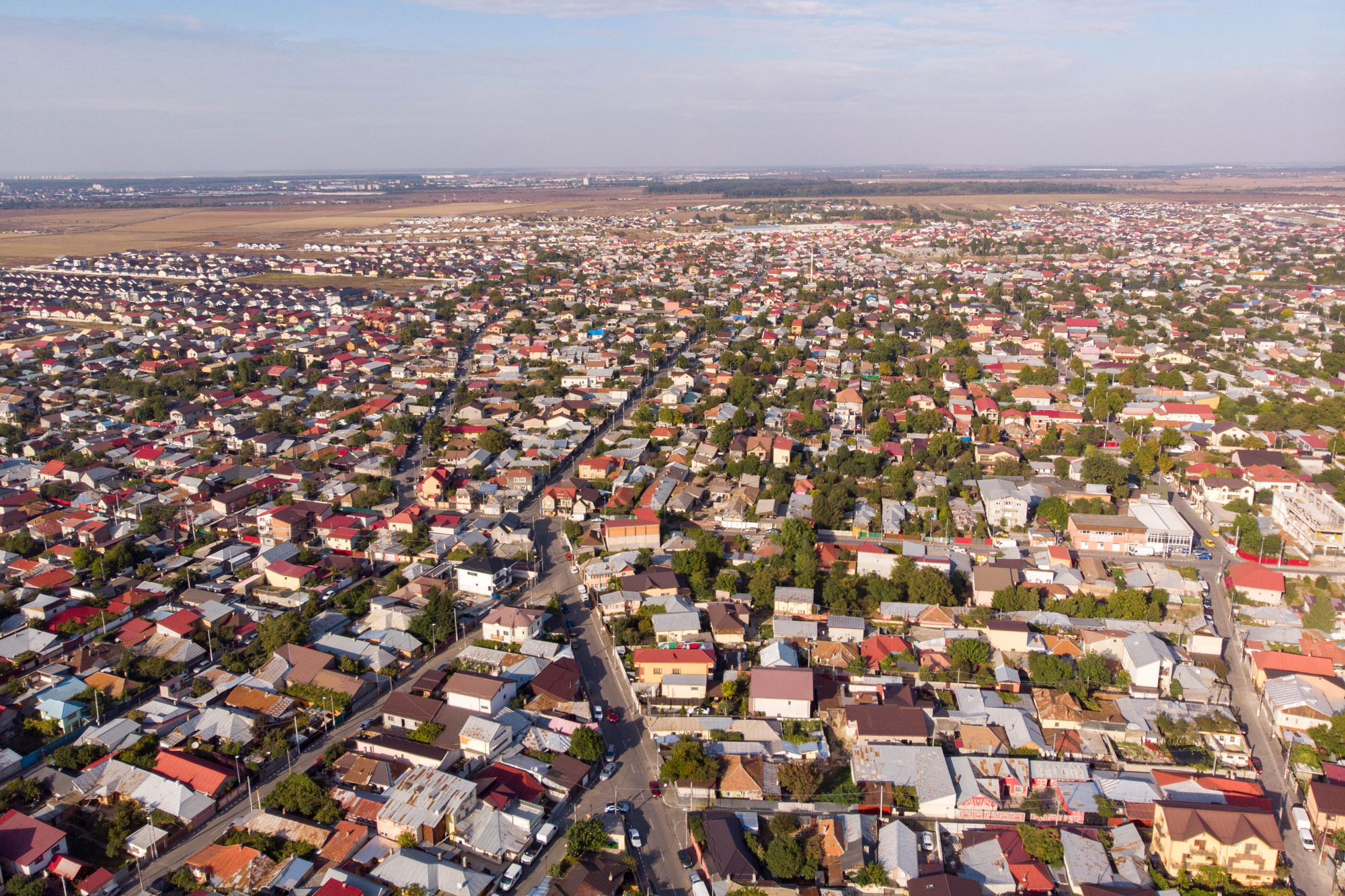
For almost a decade, Romania has occupied a comfortable corner of the European real estate map: relatively affordable, appealing to cautious optimism from first-time home buyers and foreign investors alike. That era is over. “In February 2026, an average buyer needed the equivalent of 7.9 years of net salary to purchase a standard two-room apartment, compared to 7.4 just three years ago,” says Imobiliare.ro's marketing director, Daniel Crainic.
In March 2026, the average asking price for an apartment in Romania exceeded the threshold of 2,000 euros per useful square meter for the first time in history – a financial but also a psychological threshold, Daniel Crainic says, in a dialogue with HotNews.
The numbers behind this moment are telling: the national average price has increased by 40% in just three years, between 2023 and 2025.
In the big cities of the country, the increases vary between 31% and 45%. Bucharest and Brasov led the advance. New apartments in the Capital – once the entry point for aspirational buyers – have seen the average asking price rise from €1,648/sq m in 2023 to €2,541/sq m today, an increase of 54%. In Cluj-Napoca, for a long time the most expensive market in the country, new apartments now reach an average of 3,407 euros/sqm – a figure that would not seem out of place in certain neighborhoods of Vienna or Warsaw.
They reached the threshold of 2,000 euros/sqm for new apartments, including the cities considered affordable until now
In the case of Romania, the upward pressure on values coincided with a notable contraction of housing supply – especially in the new construction segment. Developers, faced with higher construction costs and tighter financing conditions following the inflationary shock of 2022-2023, have slowed deliveries and reduced project launches. Buyers who once had a plethora of condos under construction to choose from have found themselves competing for fewer options at higher prices.
The secondary market told a similar story. In Brasov, the prices of old apartments increased by 44% in three years – from 1,545 to 2,222 euros/m2. The Bucharest resale market was a short distance away, with a 43% advance. Even the cities considered affordable alternatives until recently – Constanța, Timişoara, Iași – have reached or are approaching the threshold of 2,000 euros/sqm for new apartments.
The affordability indicator, measured as the number of years of average net salary required to purchase a standard two-room apartment of 52 sq m, has risen accordingly. In February 2023, a buyer needed the equivalent of 7.4 years of income. In February 2026, this figure had reached 7.9 years.
The gap may seem modest, but it reflects a real worsening: wages in Romania have risen, but not fast enough to keep up with real estate values.
“In February 2026, an average buyer needed the equivalent of 7.9 years of net salary to purchase a standard two-bedroom apartment – up from 7.4 just three years ago,” says Daniel Crainic
The mortgage market is reinventing itself
If the real estate market was reshaped by supply and demand, the mortgage industry was remade by the interest rate cycle – and by the ingenuity of banks eager to keep their market share. When the BNR raised its monetary policy rate to 7% in 2023 and the benchmark IRCC rose rapidly, lenders faced a dilemma: to pass on the higher cost of money to customers or absorb it in exchange for maintaining lending volumes.
They chose absorption – selectively. Banks pivoted to fixed-rate mortgages with initial terms of three to five years, pricing these products at levels that were sometimes out of touch with market conditions. The first such offers appeared around 7% in 2023. By early 2026, the best rates available for similar fixed-rate products had fallen to 4.5%-5%. The strategy was not purely altruistic: it was a calculated bet on the long-term value of the client and on the market position. As Dan Niculae, CEO of Imobiliare.ro Finance, explains, lenders with sufficient liquidity and low-risk portfolios were willing to lend at quasi-promotional costs to secure borrowers they hoped to retain for decades.
The pivot to fixed interest rates also triggered a wave of refinancing. Borrowers who took out variable rate mortgages before 2022 – when IRCC was at historic lows – rushed to lock in predictable repayment rates. Today, fixed interest products dominate the origination of new mortgage loans in Romania, a structural change that was hard to imagine five years ago.
Fewer players, more power
The competitive intensity of the mortgage market in Romania coexists with a paradox: even while banks are competing intensely for customers, the number of lenders is decreasing. Three Romanian banks have been acquired in recent years, and a fourth is currently in this process. The consolidation mirrors a broader trend in Central and Eastern European banks – toward smaller institutions, each with greater reach and increased systemic weight.
A more concentrated market is not necessarily a worse one for consumers – large banks often have a greater appetite for risk and a greater ability to offer competitive rates. But it raises long-term questions about the pricing power and resilience of the sector if credit conditions tighten again. For now, the promotional offers continue. Lenders compete on fixed interest periods, digital functionality, approval speed. The mortgage market has become, in a completely Romanian way, a battlefield of customer experience.
Lei, not euros
One of the most important changes in the structure of the Romanian mortgage market has received relatively little attention: the quasi-total disappearance of lending in foreign currency. In 2009-2010, euro mortgages were ubiquitous in Romania, as they were in most of Eastern Europe. The ensuing financial crisis exposed the catastrophic risk built into that model, as local currencies depreciated and borrowers found themselves trapped in obligations that had inflated in real terms.
The NBR's argument – that borrowers should take out loans in the currency in which they receive their income – was almost universally adopted. Euro mortgages have almost disappeared from Romanian bank counters. Whether this restraint will hold should the leu face prolonged pressure, or whether interest rate differentials with the eurozone will become more attractive, remains an open question.
The fine print of the competition
Competition on the mortgage market in Romania is real, but it comes with attached conditions – literally. Banks usually link the interest rate to the adoption of ancillary products: salary accounts, minimum transaction volumes, activation of mobile banking applications. Discounts offered are generally below 0.5 percentage points, more modest than in other countries where cross-selling of life insurance is common; the promotion of pension or investment products as levers for interest rate improvement is rarer in Romania
The total cost of a mortgage loan in Romania is influenced not only by interest but also by indirect commissions – valuation fees, insurance premiums, other commissions – all found in DAE. Emerging trends—green credits for energy-efficient properties, active refinancing campaigns—suggest a maturing rather than an overheating market.
What the signals say
Data from the National Bank's own survey provide a counterpoint. The NBR found that most commercial banks believed that average property prices had remained stable – not increased. Only 31% reported seeing price increases. For the beginning of 2026, 84% of banks expected prices to remain constant. The rejection rate of mortgage loan applications has also increased: a net percentage of 15% of lenders reported that they rejected more home loan applications in Q4 2025.
Consumer credit tells a harsher story. Loan demand fell by a net 53% in Q4 2025 – a sharp contraction, with declines across all types of consumer credit.
Rejection rates jumped: a net percentage of 30% of banks reported an increase in refusals of consumer credit applications. Whether this marks a healthy cooling or the first tremor of something more worrying depends on what happens to inflation, wage growth and the interest rate cycle in the coming months.