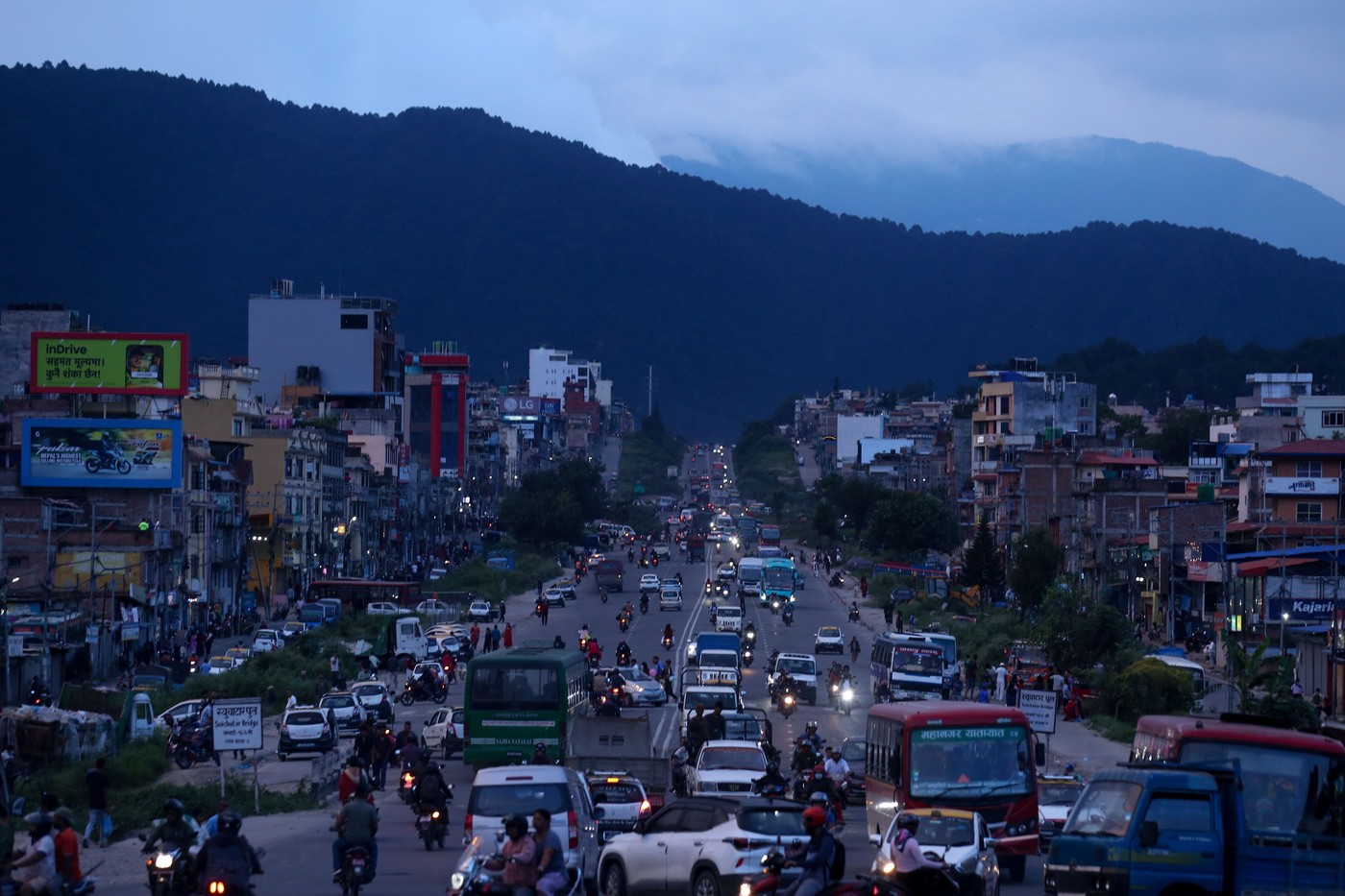
Amid the energy crisis caused by the war in the Middle East, more and more Nepalese drivers are opting for electric vehicles, turning the country into one of the world's fastest-growing markets for “green” cars, reports AFP.
In Kathmandu, at the wheel of his 18-seater electric minibus, Purushottam Adhikari remained unfazed by the current crisis, which he even sees as an opportunity to earn more money.
“My activity is not affected. On the contrary, more and more people are turning to electric vehicles,” exclaimed the 48-year-old driver, who travels about 300 kilometers on the country's roads every day.
Fueled by increased hydroelectric power generation, generated by the waters of Himalayan rivers, Nepal is the second fastest moving country in the world to electrified vehicles.
In 2024-2025, this Himalayan country of 30 million people imported about 13,500 electric vehicles, which is twice as many as combustion engine vehicles.
By way of comparison, ten years ago, only 7 electric vehicles were imported, according to figures provided by the government.
Since the end of February, the price of petroleum products in Nepal has almost doubled, leading to an increase in transportation costs.
“A full charge costs me 8 dollars (6.80 euros), compared to more than 66 dollars (56.30 euros) for a diesel vehicle,” pointed out Adhikari, who has not raised his prices since the US and Israeli offensive against Iran two months ago.
The increase in charging stations on major thoroughfares has facilitated long-distance electric vehicle travel and is encouraging drivers and passengers to take the plunge.
Susmita Bishowkarma, 20, opted for this mode of transport because it is more “green”.
Plus, “it's comfortable and relatively cheap,” she told AFP as she boarded Adhikari's Chinese-made Joylong A6 minibus.
Since the beginning of the war in the Middle East, Bangladesh and Pakistan, located near Nepal, have been facing serious supply problems.
In both countries, drivers sometimes wait hours at gas stations to fill up. Nepal, which imports 100% of its oil products, has so far avoided a shortage.
“One of the main reasons is the increase in the number of electric vehicles on Nepalese roads,” alternative energy expert Govind Raj Pokharel told AFP.