Political turbulence in Italy. Meloni is at a turning point

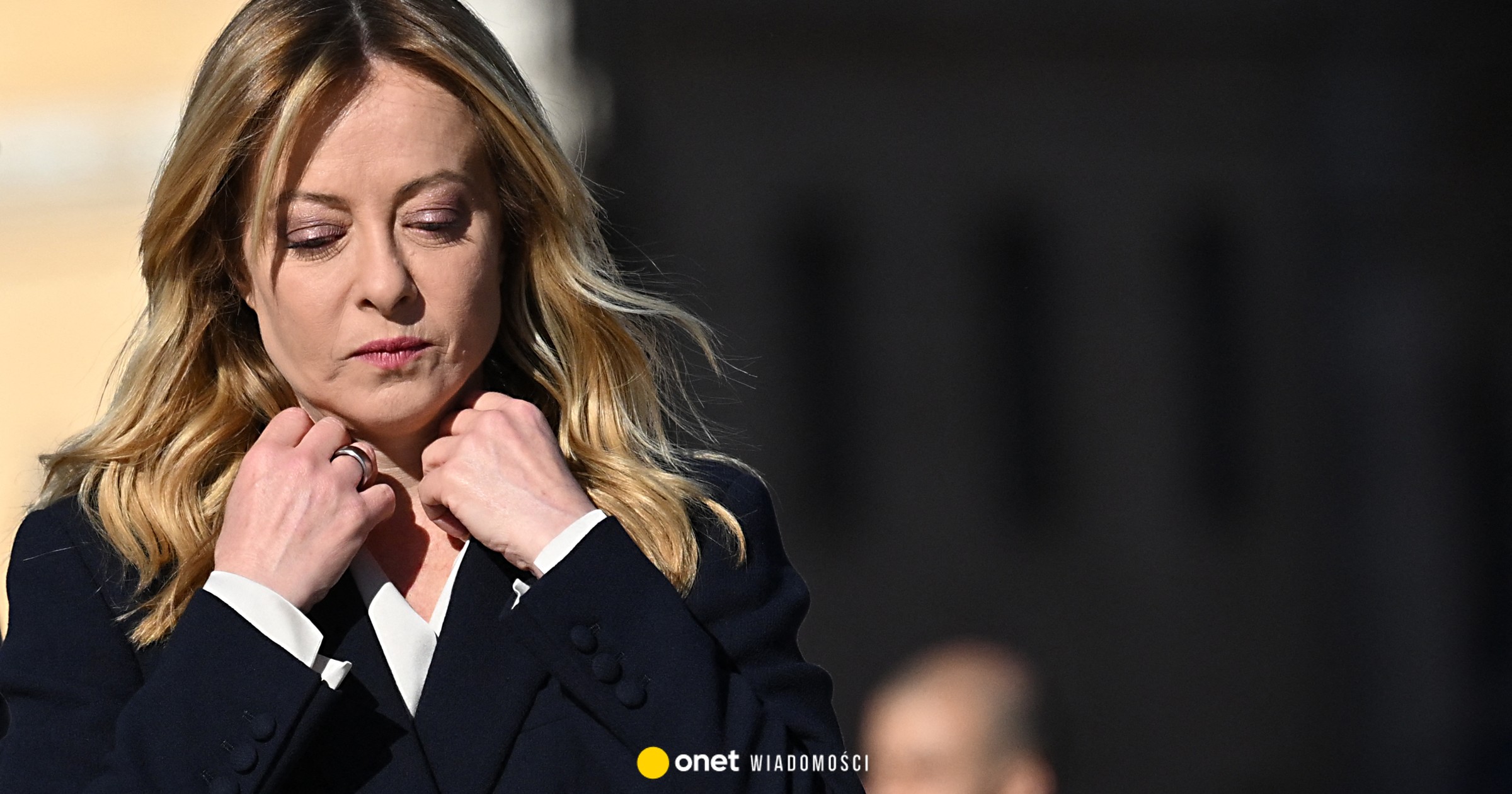
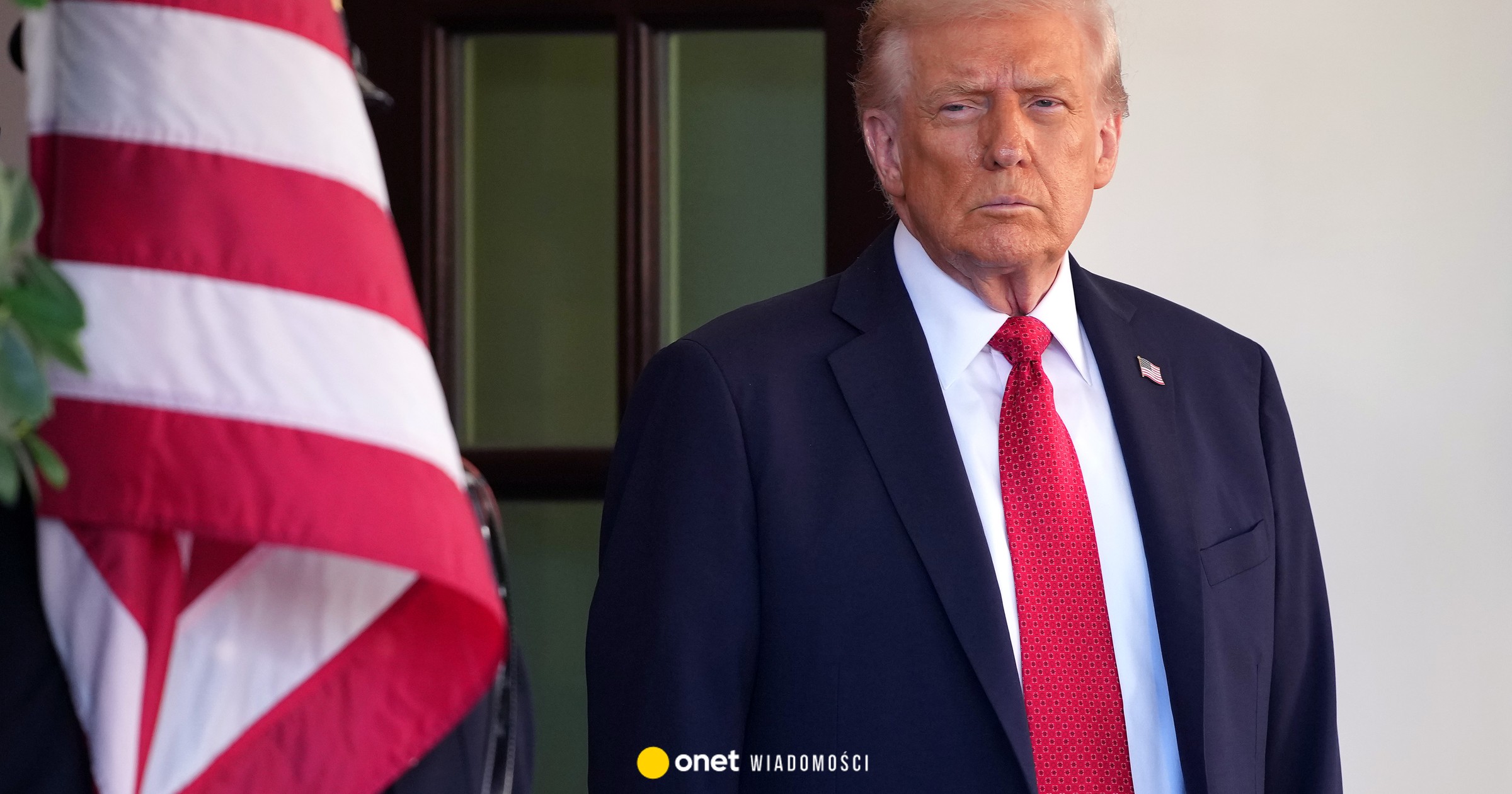
The offensive words recently used by Italian Prime Minister Giorgia Meloni and US President Donald Trump resembled a conversation between a couple whose relationship is going through an existential crisis.
It is difficult to predict whether the leaders will ever reconcile. But this exchange marks a new tone Meloni is taking towards her most influential ally, who once earned her a reputation as a transatlantic bridge builder – and in the most delicate moment of her term.
However, for the Italian prime minister, this conflict is also an opportunity to build new alliances, also within the European right, which is becoming independent from Trump.
The Meloni government is still in the business of limiting the damage. At the end of March, the prime minister, who has been in power since 2022 with high support, was faced for the first time a real failure. 54 percent Italians rejected her plans to reform the justice system in a referendum. Many citizens were less concerned with technical details and more concerned with giving the government a rating.
A crisis of great importance
— The result was there a huge shock. Not only because it was a failure for the government and Meloni personally, but also because the large voter turnout gave the vote even more political weight, explains Leo Goretti, head of foreign policy at the Istituto Affari Internazionali think tank in Rome.
She contributed significantly to this failure Meloni's closeness to Donald Trump. In the critical weeks before the vote, the government found itself in a difficult position in the face of a US-Israeli attack on Iran. Hardly any talk show or rally was without a reference to the Italian prime minister's supposedly close relationship with the US president – which, as has now clearly emerged, was insignificant.
Trump did not inform Rome of the attack plans. There was also anger at the fact that Defense Minister Guido Crosetto had to hastily interrupt his holiday in Dubai and evacuate by military plane. The rise in gasoline prices as a result of the war has contributed to “the widespread belief that Italians are paying the price for Trump's war,” according to Goretti.
Meloni tried ago counteract. To alleviate the effects of the energy crisis, the government reduced fuel taxes. The Prime Minister also went a step further: at the end of March, Rome refused to allow American military planes to land at the base in Sicily. Meloni also suspended the military cooperation agreement with Israel.
Many observers perceived the fact that, after Trump's insults against the Pope, the Italian Prime Minister showed solidarity with the head of the Catholic Church as a final departure from the current line of conduct towards the US President.
In search of new alliances
That Meloni distances himself from Washington may also be an attempt to accommodate the huge the opposition of most Italians to the war with Iran and the policies of the US president. A weakening economy is suffering from the effects of the energy crisis, Italy is heavily dependent on natural gas imports – and there is no end in sight to the blockade of the Strait of Hormuz.
To mitigate the effects of the crisis, Meloni remains dependent on aid from Brussels. Although the government does not rule out taking out further loans, the room for maneuver remains limited. According to forecasts, Italy will overtake Greece this year the most indebted country in the euro zone and will exceed the EU deficit limit of 3%. GDP. In addition, important payments from the EU recovery fund expire at the end of the year. The autumn decision on the budget will probably be preceded by difficult negotiations.
At an informal EU summit in Cyprus last week, Meloni pushed for stronger action on the energy crisis. Measures such as reducing energy taxes or distributing kerosene are not sufficient. “Europe needs to be much more courageous,” Meloni said. She probably had in mind the easing of budget rules, which she has been advocating for for a long time.
Potential allies for such a project include, for example in Paris and Madrid. French President Emmanuel Macron and Spanish Prime Minister Sanchez are also open to jointly taking out debts in the EU. Relations between the southern European trio could be better. But now leaders would at least unite in common defense against U.S. threats.
Influential liaison
Meloni's personal participation in the meeting also proves that she stands on the side of her European allies coalition of people willing to participate in the mission in the Strait of Hormuz in Paris. For previous meetings with a similar format, such as support for Ukraine, Meloni sometimes connected exclusively via video conference. Observers attributed this to, among others, because it attached great importance to close coordination with the US.
Now the Italian prime minister is winning more freedom — and the opportunity to get closer to traditional allies who can act more unitedly. But there is also growing resentment at the other end of the political spectrum towards Trump's mannerisms, for example among right-wing populist allies such as the Sweden Democrats and the Spanish Vox party.
The Italian could take position negotiators on common matters. Meloni has already proven to be an influential link with the far right in the past, for example on migration and environmental policy. — In both these areas, the debate at EU level has moved so far to the right. Traditional conservatives took over some of the discourse from the far right, Goretti explains.
He believes that Meloni is located in a decisive turning point. According to the expert, they are likely two scenarios: in the first case, Meloni, also under pressure from its coalition partner the League, would again decide to confront the EU and hold Brussels responsible for everything that goes wrong. “If economic restrictions remain, we could see a tougher stance towards the EU again,” says Goretti.
Meloni's future is uncertain
— In the second scenario, Meloni would choose a rather moderate course and would try to establish a dialogue at the EU level with the center-right camp and traditional conservatives, he adds. “The most obvious partner would be here Germany and Chancellor Friedrich Merz – he explains. Apparently Meloni gets along well with him.
However, they both need to overcome one key obstacle: financially, Rome and Berlin are far apart. Germany insists on budget discipline, compliance with EU rules and wants to prevent the introduction of Eurobonds. Closer cooperation with Germany would require Meloni's willingness to compromise and would be an expression of her decision to take a pragmatic course.
A clue to Meloni's strategy may soon come from her meeting with a politician who is entering the political scene in Brussels as a novice: Hungarian Prime Minister-designate Peter Magyar. Despite her ties to Orban, who lost the election, Meloni congratulated him on his “clear victory.”
This case provides lessons that are also relevant for Italy. Anyone who uncompromisingly torpedoes the demands of their partners will be politically isolated in Brussels, and Rome, facing financial difficulties, cannot be interested in it. Trump's electoral support did not help Orban win the election.
For Meloni, this means many conclusions. A reassessment of her relationship with the U.S. president now gives her a chance to gather new allies to push her interests — and accelerate her transformation into a right-wing conservative leader. Which path he ultimately chooses will also matter for the European right.