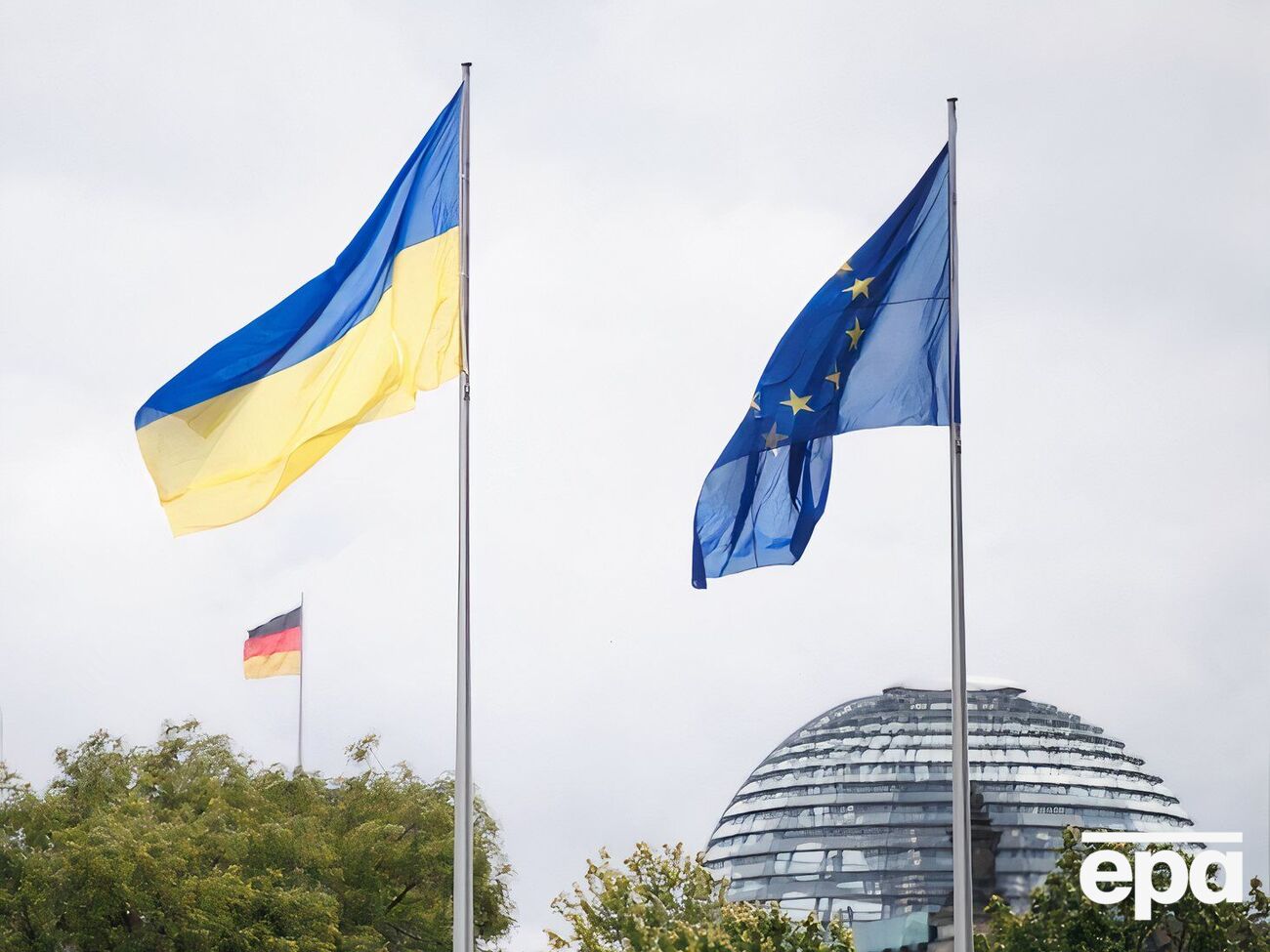
After Ukraine was denied accelerated accession to the European Union, the bloc is developing a package of short-term privileges to support the country on its way to the EU. Politico reported this on April 30, citing sources among diplomats.
The likely proposal would include greater access to European markets and deeper participation in EU programs and institutions.
The idea emerged after EU leaders rejected the European Commission's proposal for “accelerated enlargement”, that is, Ukraine's entry before key reforms are completed. Instead, Brussels is considering a model of “accelerated, phased integration” that should give Ukraine new opportunities now while it continues to implement the reforms necessary for membership.
Germany and France are actively involved in the development of the new proposal, writes Politico.
Last week, German Chancellor Friedrich Merz called Ukraine's accelerated membership impossible. At the same time, he proposed granting Kyiv the right to participate in meetings of the European Council without the right to vote and involving it in certain formats of the European Parliament.
Lithuania proposes to secure Ukraine's status as an accession country. Previously, this applied only to those who had already signed the treaty and were awaiting ratification, but they want to make an exception for Ukraine in recognition of its stable course.
At the same time, Ukraine insists on specific economic assistance.
Ukraine's Ambassador to the EU Vsevolod Chentsov said Kyiv is committed to “phased access to the EU single market linked to progress in reforms, deeper participation in EU programs and institutions, and the rapid conclusion of the Agreement on Conformity Assessment and Acceptance of Industrial Products (ACAA).”
European officials stress that the new package of privileges will in no way replace the formal accession process. According to EU Commissioner for Enlargement Martha Kos, hopes for Ukraine's full membership in the EU in 2027 are “impossible.”
“Member countries have made it clear that membership in the short term will be very difficult to imagine,” one diplomat said.
However, Deputy Prime Minister for European and Euro-Atlantic Integration of Ukraine Taras Kachka said that he expects the opening of official negotiation clusters “in the coming weeks.”
A senior European Council official noted that Ukraine will be able to close the negotiating clusters by the end of 2027 only if the current pace of reform is maintained.