NATO on the brink. There may be no turning back for Europe. A powerful player rubs his hands

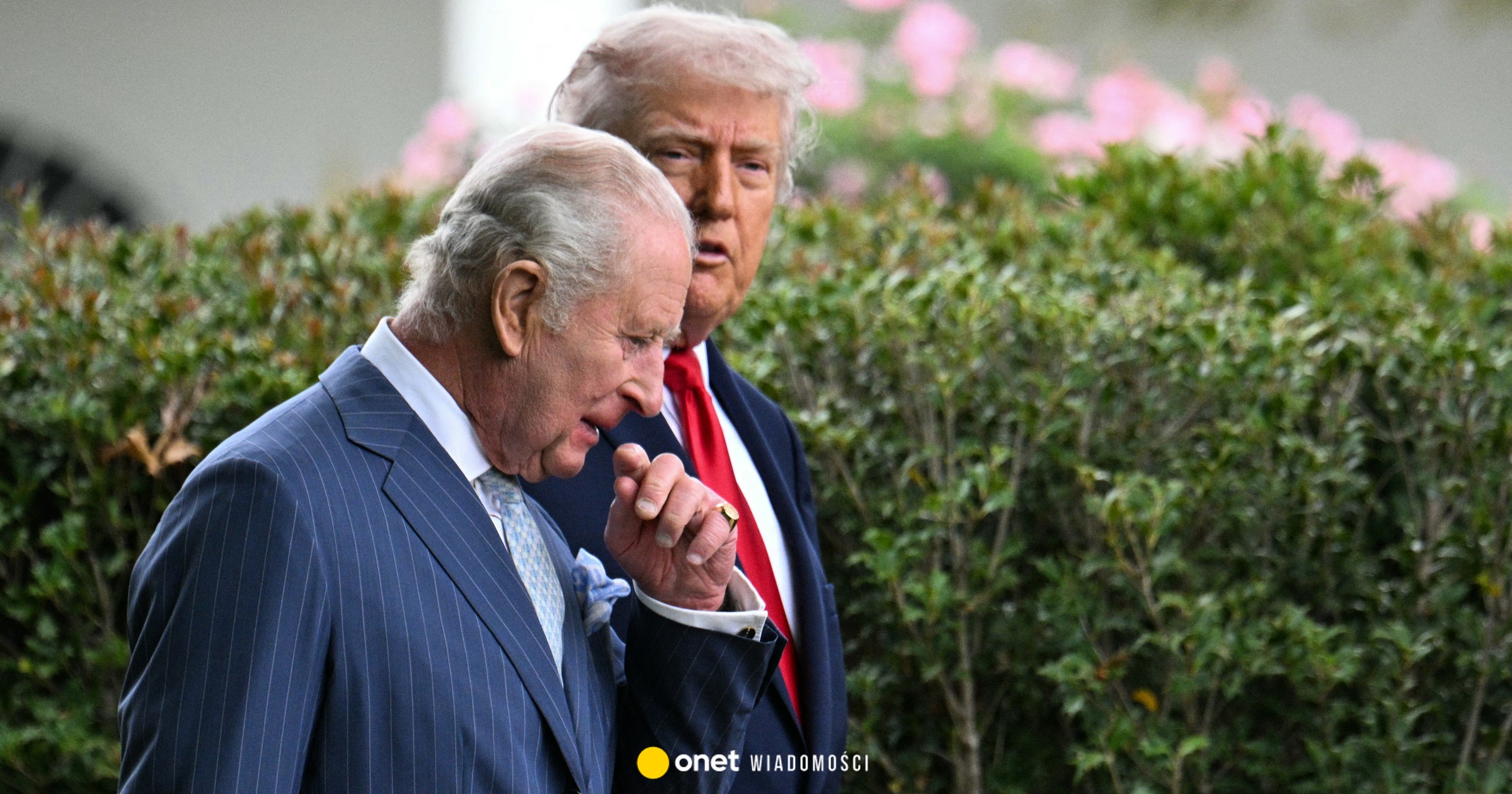
But between the polite words there was a silent warning: such a world no longer exists. Europe's relationship with the United States is coming to an end. Even the king cannot change this. Rebellion instead of obedience is the new motto.
What is currently happening in the transatlantic alliance is not an ordinary diplomatic dispute. This is the announced separation.
German Chancellor Friedrich Merz uses extremely clear words – and attacks Washington: the US war with Iran is costing Germany “a lot of money” and “economic strength”. It's also even more severe: The US has been “humiliated” by Tehran and has “no strategy”.
Meanwhile, France is pursuing its own path in the Middle East, promoting its own de-escalation diplomatic initiatives, holding talks with regional players and deliberately maintaining a distance on its military strategy towards Iran. Spain denies American planes access to its airspace. Even traditionally close-knit countries such as Britain oppose Washington's line. The tables have turned. For decades, the rule has been: Europe resists – but eventually complies. Today the rule applies: Europe opposes. And he sticks to his point.
NATO at a turning point
The consequences are serious. NATO, the military heart of the West, is here under pressure like never before. Behind closed doors, diplomats talk about a “collapsed alliance.” Officially, it sounds more sober – there is talk of a “marriage crisis”, as Belgian Defense Minister Theo Francken put it.
The symptoms are clear: European countries refuse military support, block bases and airspace, and even question the promise of mutual assistance, which is the foundation of the alliance. At the same time, something new is being created. Europe is seriously preparing for the first time a future without the US. Independent defense plans, new alliances, investments worth billions – this would have been politically unthinkable just a few years ago.
Donald Trump's policies not only burdened transatlantic relations, but also changed them. For the first time since 1945, European governments consciously agree to openly oppose Washington. Threats to leave NATO, insults, independent action in Iran – all this shocked Europe. But the real breakthrough goes deeper. Europe has learned something that cannot be undone: the United States is no longer a reliable reference point in geopolitics.
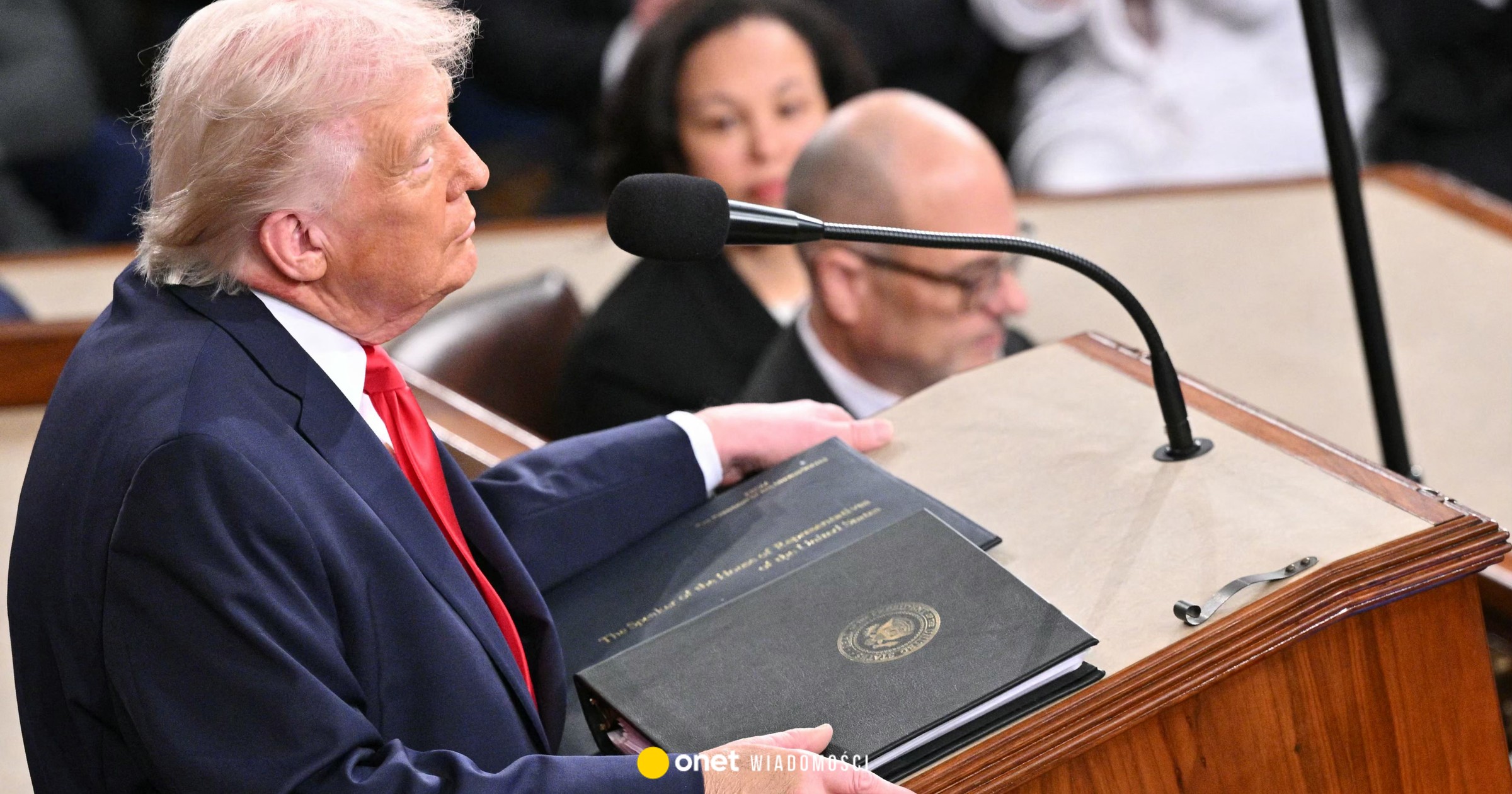
US President Donald Trump, April 28, 2026JIM WATSON / AFP
The most profound change is happening beyond the headlines. U.S. allies are shifting their strategic alignment — not out of conviction, but out of caution. A state fund is being created in Canada to reduce dependence on American capital. Brussels is for the first time seriously considering how the EU's collective defense could function without NATO.
A threat to Europe
A long-unthinkable question is emerging in European capitals: what if Washington can no longer be relied upon in the event of a serious threat?
And this is where the geopolitical factor comes into play, which was also unthinkable for a long time: China. As trust in the US declines, the perception of the situation changes. In opinion polls, Europeans increasingly see Washington, not Beijing, as a threat. Only about 3 percent indicates China as the main threat – in the case of the USA it is over 20%, according to the current Youtrend survey.
This does not mean that Europe is turning to China. However, strategic thinking is changing: when a traditional protection partner becomes uncertain, at least alternatives are considered. This is extremely dangerous for Washington. For decades, the transatlantic alliance has also been a bulwark against Chinese influence. If it collapses, the United States will lose its importance on the international stage – not only in Europe.
The overarching question remains: Is this just a crisis — or is it over? King Charles III tried to formulate an open answer. Friendships, his message goes, can withstand differences. Our common history is stronger than current conflicts.
However, reality says otherwise: too many conflicts, too much distrust, too many unilateral decisions. Perhaps the alliance will survive – out of habit, because of economic ties, because of lack of alternatives. But its character will be different: it will be a community of interests, not a community of values.
Or, to put it bluntly: the divorce isn't official yet. But the separation has been going on for a long time. Not even King Charles can fix this. In Europe they say: America, we are breaking up.