For over a decade, it has been one of the most attractive sectors in Romania, with competitive salaries, opportunities for rapid growth and a reputation as an industry of the future. Today, despite a wave of profound changes brought by artificial intelligence and the reconfiguration of the global market, IT remains a strategic sector in Romania's economy, the main service export sector, which contributes 6.67% to GDP and generates the highest added value and tax contribution per employee in the entire economy.
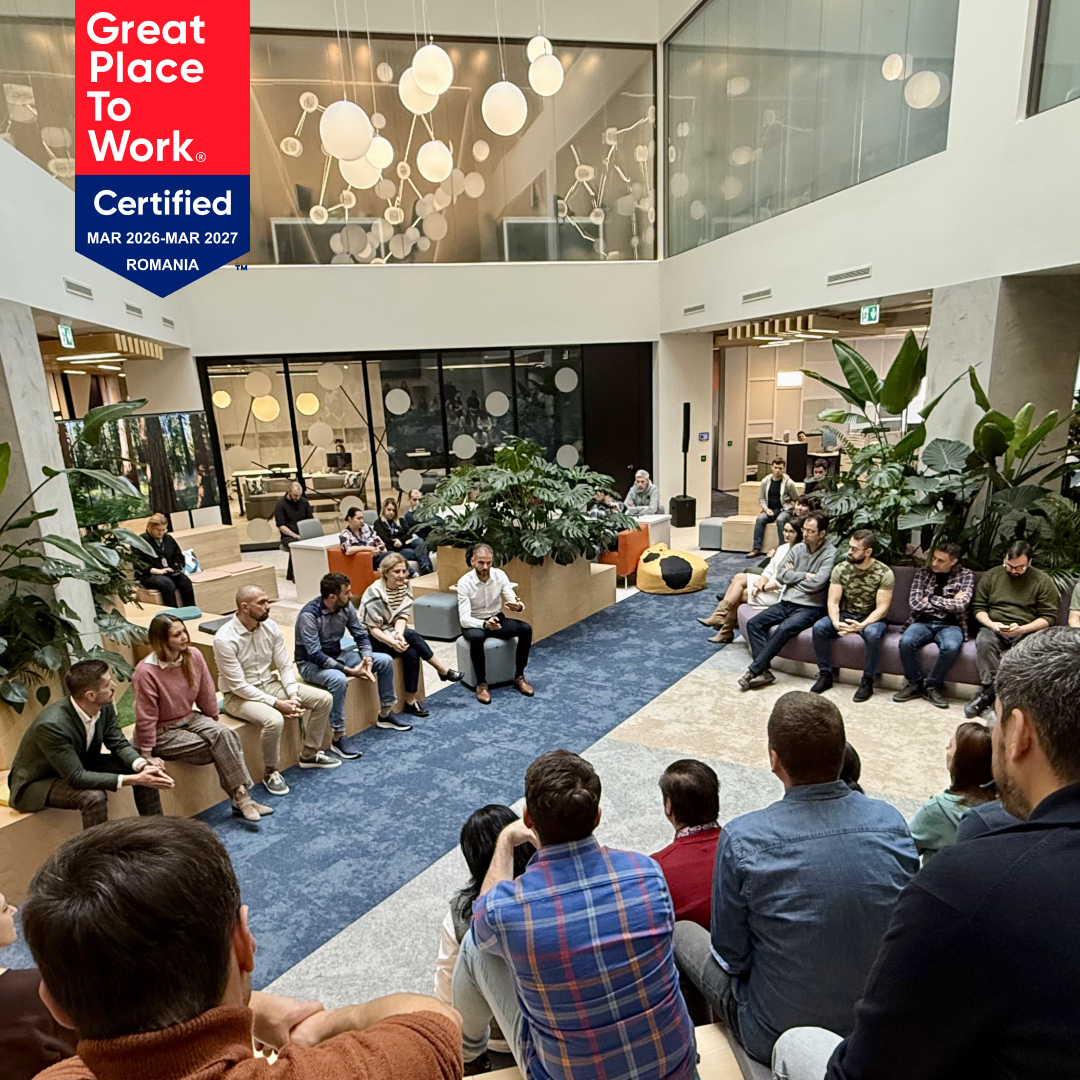
Cognizant Romania, one of the largest technology centers in Eastern Europe of the American Cognizant group, obtained the Great Place to Work® certification in April 2026, one of the most important employer recognitions globally. Romania is part of the recognition obtained by Cognizant in 31 countries and is valuable precisely because it is awarded based on the direct feedback of over 2,500 employees in Bucharest, Cluj-Napoca, Iași, Timișoara and Baia Mare. But also that it comes in a context where multiple forces of change are acting on the industry, and the expectations towards engineers have increased greatly.
The question that matters today is not whether the industry still has a future, but what it actually looks like to work in it in 2026. What does it mean to work at a “Great Place to Work®” company, and what is the real ingredient that keeps people together?
“It's not a pressure-free environment, but there is a balance”
Ana Maria Reininger has been a Senior Engineering Manager in Cognizant for five years. It remained, she says, not so much for the technology as for the people and the way teams are built.
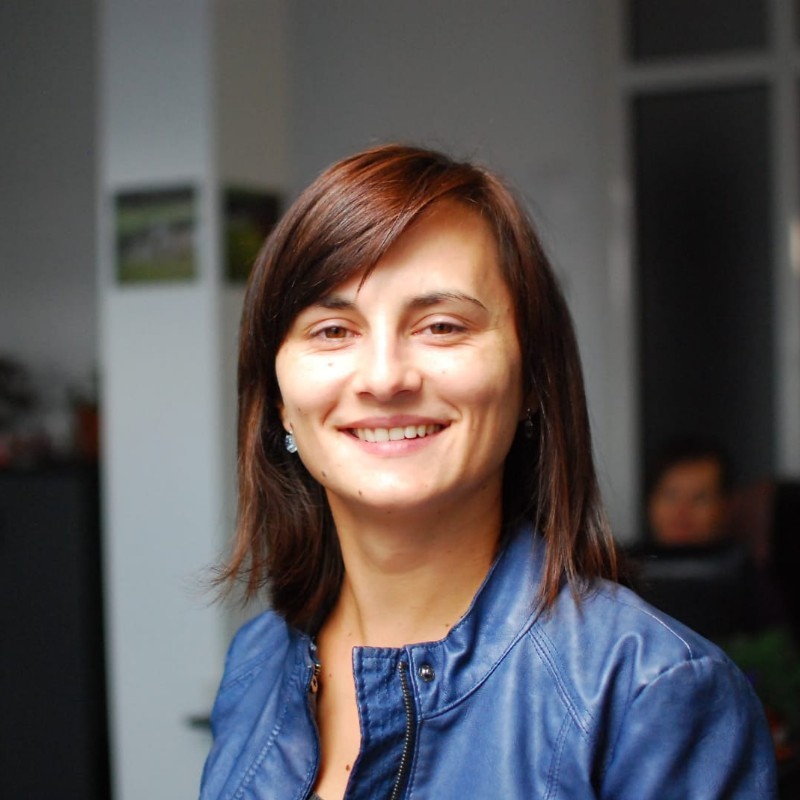
“It's important that, even in more complicated times, there's room for real dialogue, not just top-down decisions. Including awkward discussions about what's not working or what needs to be changed. It's not a pressure-free environment, but there's a balance between performance and trust that's felt in the day-to-day work.”
Compared to two or three years ago, her working day looks different. The transformations brought about by AI and automation have changed not only technologies but also the expectations of people. Roles are more fluid and adaptability has become essential. More autonomy, more decisions at the team level, AI integrated into the daily routine. “The need for cross-role collaboration and context understanding has increased even more. Simple execution in isolation is no longer enough.”
The transition, says Ana Maria, was more coherent than in other places precisely because it did not happen suddenly. “The support didn't come in the form of a magic solution, but through a constant focus on learning and recalibration. I had access to upskilling programs and initiatives that helped me understand where the industry was going, but just as importantly, people were encouraged to take on new roles or different responsibilities, even if that meant stepping out of their comfort zone. The approach was more of a medium-term build, not reaction to the crisis. That made the difference, at a time when many teams in the industry felt the uncertainty.”
What has remained constant? “Clarity and responsibility. Even if the pace is more alert, the structured way of working and openness to dialogue have remained stable benchmarks.
She left for a year and came back for culture
Alexandra Ciocanea is Senior Project Manager, in Cognizant, since 2020, with a parenthesis: between 2023 and 2024 she left to try something else. And he returned.
“That year spent elsewhere made me appreciate much more consciously what I had found here. I missed the community and the feeling that you are surrounded by people who really invest in you. As a project manager, I work daily with very diverse teams and stakeholders, and I know how much the environment in which you deliver matters. You cannot build healthy projects in a culture where people do not feel supported.”
Experience the transformation of the IT industry firsthand. She works on multiple projects in parallel, including Hargreaves Lansdown, and AI has seeped deep into her daily flow, from preparing documentation to structuring client materials. But what helped her the most in navigating the changes were not the learning platforms, but the people around her, the direct managers. “There's a huge difference between 'take a look at training' and 'let's see together how you apply this to your project'. My line managers actually took the time to guide us. That, to me, is real support.”
Today, AI frees up time from the preparation and documentation area for what matters most: conversations with the team, fine project decisions, the relationship with the client. But the reason why he returned remains different. It's called culture. “The way colleagues make time for each other, even when they have their own deadlines. That hasn't changed.”
Cognizant in Romania: technology on a global scale, built locally
Present in Romania for over 25 years, Cognizant (NASDAQ: CTSH) is no longer just an IT service provider. The company has repositioned itself as a developer of AI solutions, and the teams in Romania are at the center of this transformation: the local capacity on artificial intelligence has doubled in 2025 compared to 2024, and the solutions built here serve clients from banking, healthcare, retail and media, with global and regional coverage.
“Romania is one of the most important Cognizant centers in Eastern Europe, and this certification reflects the maturity and strength of our local professional community,” says Raluca Dolan, HR Director Cognizant Romania. “We are proud that our more than 2,500 colleagues confirm, in their own words, that we are a place worth working and growing in.”
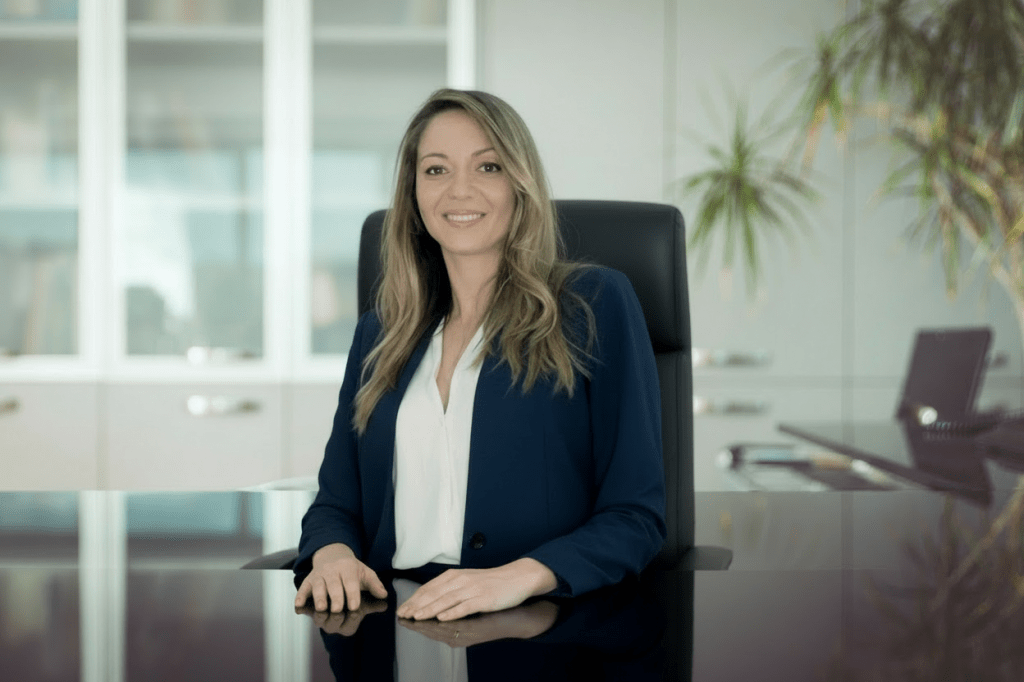
“It's the kind of place where it matters how you feel every day”
Alexandru Medar has been a Senior Project Manager in Cognizant for almost five years and stayed with the company for “the combination of people, projects and the freedom to grow”. For Alexandru, this external validation “is more like an official confirmation of a feeling I already had. It's the kind of place where it matters how you feel day to day, not just the results on paper.”
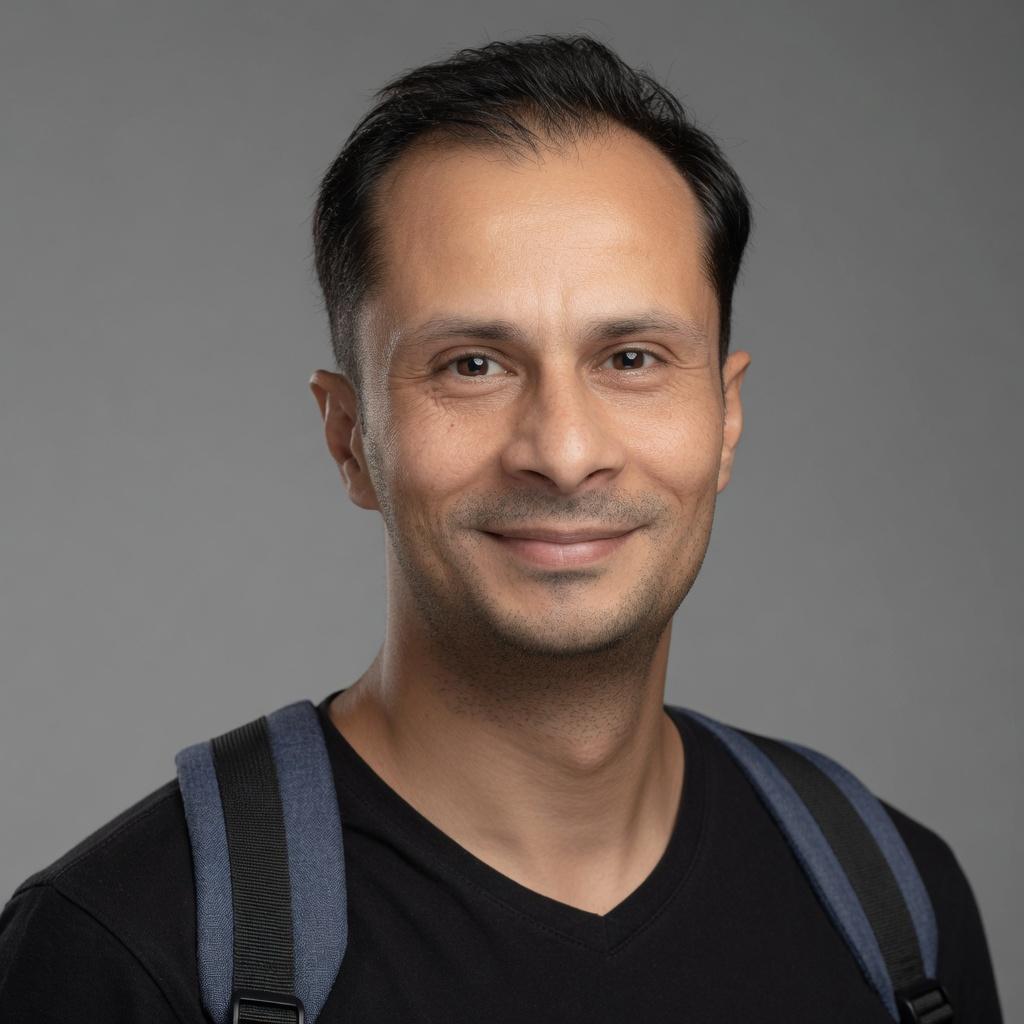
The transformation in the industry feels very strong, he admits, especially through the lens of AI, but in an organization like Cognizant, connected to large-scale projects and major know-how, he always felt that he had real support to keep up. “We have access to trainings, practical contexts and projects where you actually use AI, not just talk about it. Curiosity and experimentation are encouraged, and that makes a big difference.”
The pace has changed, the technologies have changed, the way of collaboration has changed. What's left? “The connection with colleagues and the trust of customers. Even with a lot of changes, the sense of team is there.”
Learning culture, in numbers
Beyond the individual stories, there is also an organizational context that supports them. Cognizant Romania ranked second in the EMEA region for the total number of certifications completed in 2025, after Great Britain. The company hosted LearnFest EMEA and dedicated an entire week to developing colleagues through Career Development Week.
“The culture of learning is very strong here, since the pioneering period of the IT field 25 years ago,” says Raluca Dolan. “When people can quickly apply what they're learning to real projects, progress becomes visible. And that's exactly what we're after.”
The Great Place to Work® certification adds to recent recognitions such as inclusion in TIME's World's Best Companies, Forbes' World's Best Employers and Newsweek's America's Greatest Workplaces for Gen Z.
The IT industry is where transformation and passion shape the future.
Article supported by Cognizant Romania