Maps issued by Israel outlining an extended area of military control in the Gaza Strip. IDF explanations

New maps of the Gaza Strip quietly released by Israel about a month ago place thousands of displaced Palestinians in a sprawling restricted zone, inside territorial boundaries that the Israeli military says can still be changed, Reuters writes.
This extended restricted zone, marked on maps with an orange line, represents about 11 percent of the territory of the Gaza Strip, beyond the “Yellow Line” that demarcates the part of Gaza occupied by Israeli troops after the ceasefire agreed last October. The demarcated areas total nearly two-thirds of the territory of the Gaza Strip.
The Israeli military sent these maps to humanitarian organizations in the Gaza Strip in mid-March, two humanitarian NGO sources said, but has not released them publicly.
Israel says the area between the orange line and the yellow truce line, to which its troops withdrew under the October agreement, is a restricted zone meant to facilitate aid deliveries, and aid organizations must coordinate their movements with the army. It also claims that civilians are not affected.
But the area's expansion has sparked fears among displaced Palestinians living there that they could be targeted by Israel and shot. It also fueled concerns that Israel may intend to retain control of the area permanently.
Israeli officials describe the territories they have seized in Gaza, Syria and Lebanon as “buffer zones” that can prevent possible attacks by militants after the bloody October 7, 2023 attack by Hamas in Israel that triggered the Gaza War.
“In Gaza, more than half of the territory of the Strip” is under Israeli control, Prime Minister Benjamin Netanyahu said in a March 31 video message. “We are the ones who attack and initiate, and we are the ones who surprise our enemies.”
Israel's extension of control beyond the line agreed to in the October ceasefire deal brokered by the United States casts further doubt on US President Donald Trump's plan for Gaza, stalled for months by the war with Iran and disagreements over the disarmament of Hamas militants.
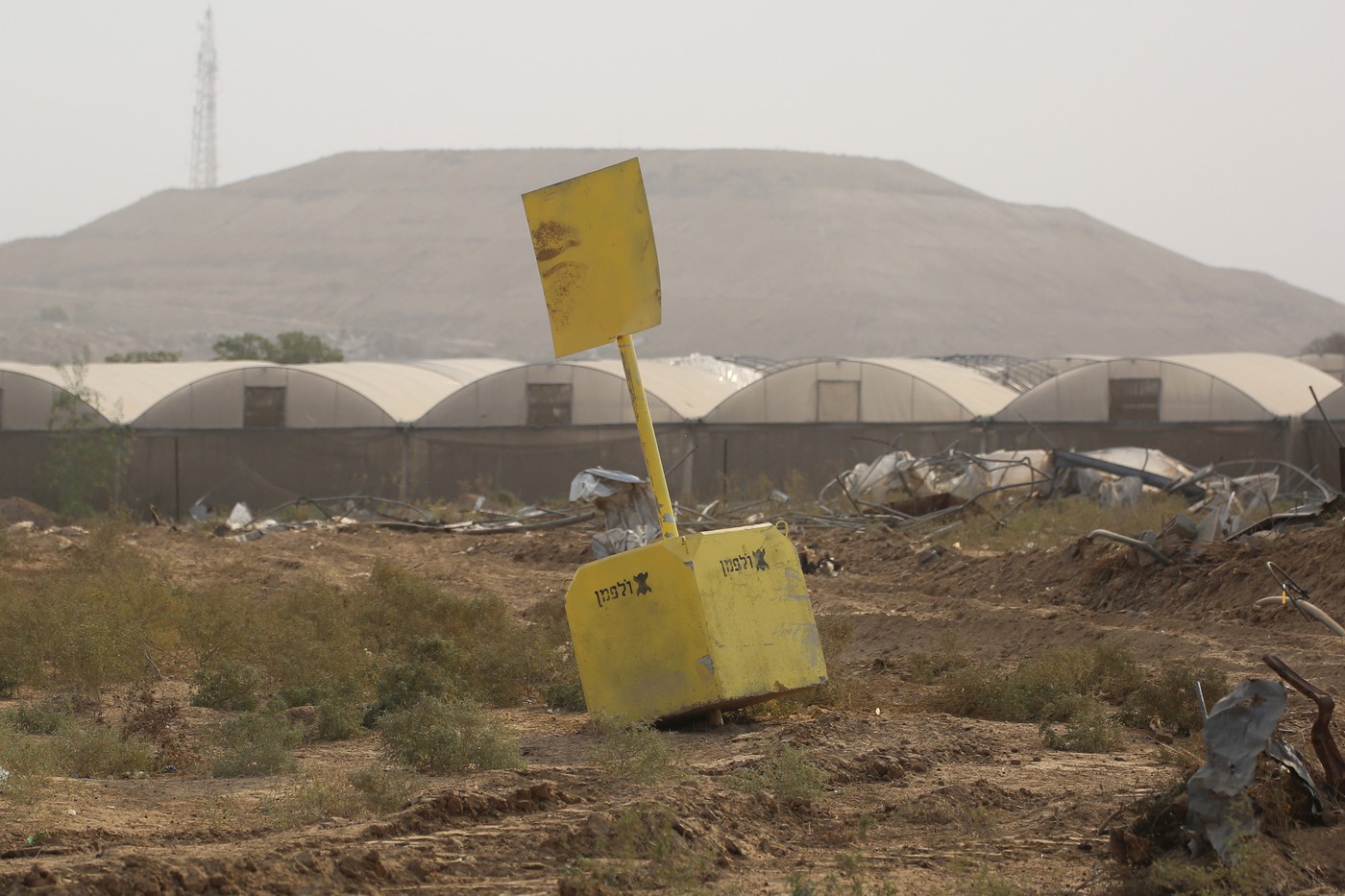
It also widens the area where the Israeli military says it can operate and carry out lethal attacks against Palestinians without marking it on the ground. The armistice line agreed in October was marked with concrete blocks painted yellow. According to Reuters reports, Israel previously moved these blocks deeper into Hamas-controlled territory.
What the Israeli army says
In its first public comments on the expanded zone, COGAT, the Israeli military agency that controls access to Gaza, said it had demarcated areas adjacent to the Yellow Line where international organizations, including humanitarian groups, are required to coordinate their movements with the military.
“The limits of these areas (the Orange Line), within which coordination is required, are established and updated in accordance with the assessment of the operational situation, with the aim of allowing humanitarian activities to be carried out, while ensuring the protection of personnel in a complex operational environment,” COGAT said.
COGAT declined to comment when asked how often it updates and distributes maps showing the position of the Orange Line to humanitarian organizations and whether it has communicated its location to Palestinian civilians.
Israel has quietly expanded “restricted zones” across Gaza, trapping displaced Palestinians inside shifting boundaries and exposing them to further attacks in continued violation of the ceasefire. New maps sent only to aid groups, but not released publicly, show Israel now… pic.twitter.com/ycCybOac1P
— TRT World (@trtworld) April 29, 2026
At least three Palestinians working with international aid organizations – two with UNICEF and one with the World Health Organization – have been killed in Israeli attacks in the area between the two lines since mid-March.
In both cases, the Israeli military said it had identified threats near the Yellow Line and opened fire accordingly. UNICEF and WHO did not immediately respond to a request for comment on whether they had coordinated their staff's travel with Israel, Reuters notes.
Rani Ashour, who lives in a camp for displaced people near Gaza City, which lies between the two lines, said residents lack water and other aid because humanitarian organizations are afraid to send staff to the area.
“People don't understand anything anymore: the (orange) line is here today, you go to bed, and when you wake up you find it's gone beyond you.”
Since the ceasefire, local doctors say Israeli army fire has killed more than 800 Palestinians in Gaza, many of them in the area near the Yellow Line, which is dotted with camps for displaced people and people living in bombed-out buildings. Four Israeli soldiers were killed during the same period.